
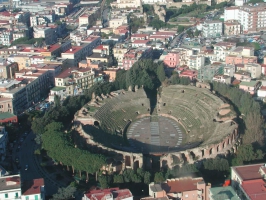

Standing as a monumental testament to history and artistry, the Verano Cemetery in Saint Paul is far more than a resting place; it is a vibrant canvas of cultural and historical significance. Established during the early nineteenth century, this colossal cemetery was born out of a pressing public health need during what is often referred to as the "Napoleonic captivity." The decision to relocate burials from the densely populated city was a critical response to the alarming spread of disease; thus, the cemetery was established in an area that once housed Roman Catacombs.
Designed by the illustrious architects Giuseppe Valadier and Virginio Vespignani, the cemetery features an elegant tri-portico entrance, adorned with neoclassical statues and friezes that beckon visitors to explore its vast grounds. Valadier, known for his proficiency in neoclassical architecture, and Vespignani, a prominent figure in Roman architecture, worked meticulously to create a burial space that was both serene and striking.
As the years progressed, Verano Cemetery became the final resting place for many famous Italians, including the revered Goffredo Mameli, the author of the Italian national anthem. The vast structure encompasses a variety of burial styles and mausoleums that reflect the artistic movements of their times, including Romanticism and Art Nouveau, making it a living museum of architectural evolution.
The cemetery does not simply serve as a quiet place for reflection; it is a hub of local culture and tradition. Each year, the community honors its deceased with All Souls' Day celebrations, where families gather to pay their respects, often bringing flowers and candles to adorn the graves of loved ones. This practice highlights the deep connection between the living and the dead, reminding visitors of the rich tapestry of Italian customs surrounding death and remembrance.
When visiting Verano Cemetery, a culinary journey through Saint Paul is a must. The area is known for its hearty, traditional dishes such as pasta alla carbonara and saltimbocca, which echo the flavors of Italy. Local cafes and restaurants often serve cicoria ripassata, a sautéed chicory that pairs beautifully with the rich, savory notes of Italian cuisine. Pairing these dishes with a glass of Frascati, a local white wine, will surely enhance the experience, transporting your taste buds to the sun-drenched hills of Italy.
For those eager to discover the deeper stories behind the cemetery, there are hidden gems that often go unnoticed. One lesser-known fact is that Verano Cemetery houses the Friedrich Nietzsche family tomb, a poignant reminder of the philosopher’s connections to Italy. Visitors may also stumble upon the ornate Mausoleum of the Bolognese, a grand structure often overlooked, that showcases intricate carvings and symbolism.
Best time to visit Verano Cemetery is during the spring and early autumn when the weather is mild, and the flowers are in bloom. Guided tours are regularly organized, allowing visitors to explore the tombs of renowned personalities and learn about their remarkable stories. Don’t forget to bring a camera; the architectural details and lush landscapes provide stunning backdrops for photographs.
As you stroll through the winding paths of this historical site, take a moment to pause and reflect on the lives of those who once walked the earth. The Verano Cemetery is not just a final resting place; it is a vibrant mosaic of history, art, culture, and the human experience.
For a truly customized exploration, consider utilizing the Secret World app to create a personalized itinerary that enhances your visit to Saint Paul.


