

In the heart of Romagna, the coastal city of Ravenna emerges as a gastronomic treasure trove, where the culinary traditions are deeply rooted in history and local culture. The cuisine here is a vibrant reflection of the land’s past, showcasing flavors that have been refined over centuries.

History and Origins
Ravenna, founded in the 5th century B.C., has long been a pivotal economic and cultural center. It became the capital of the Western Roman Empire under Emperor Honorius and later the seat of the Byzantine Empire in Italy. This rich historical tapestry has influenced the region's cuisine, blending Roman, Byzantine, and local flavors into what we now recognize as traditional Romagnolo cooking.
Throughout the ages, Ravenna has witnessed the rise and fall of empires, each leaving a mark on its culinary practices. The city’s strategic location along the Adriatic Sea facilitated trade, bringing spices, grains, and fresh seafood to its shores. This mingling of cultures is evident in the local dishes that celebrate both land and sea.
Art and Architecture
Ravenna is not only a culinary hub but also a marvel of art and architecture. The city is renowned for its Byzantine mosaics, which adorn the walls of ancient churches such as the Basilica di San Vitale and the Basilica di Sant'Apollonia in Classe. These stunning artworks, created in the 5th and 6th centuries, tell stories of faith and history, much like the dishes served at the local tables.
The architectural style of Ravenna ranges from Romanesque to Gothic, with influences from the Byzantine era. Each structure, from the Neonian Baptistery to the Dante Alighieri's Tomb, holds cultural significance, echoing the city's evolution through the ages.
Local Culture and Traditions
Ravenna's culture is vibrant and rich, with local customs that often revolve around food. Festivals such as Sagra del Pignoletto, celebrating local wines, showcase the region’s agricultural bounty. The Festa di San Giovanni, held in June, features traditional food stalls serving local specialties, allowing visitors to immerse themselves in the region's culinary heritage.
Moreover, the art of conviviality is paramount here, with meals often served as a communal experience. Families gather for Sunday lunch, where dishes like passatelli take center stage, emphasizing the importance of food in local traditions.
Gastronomy
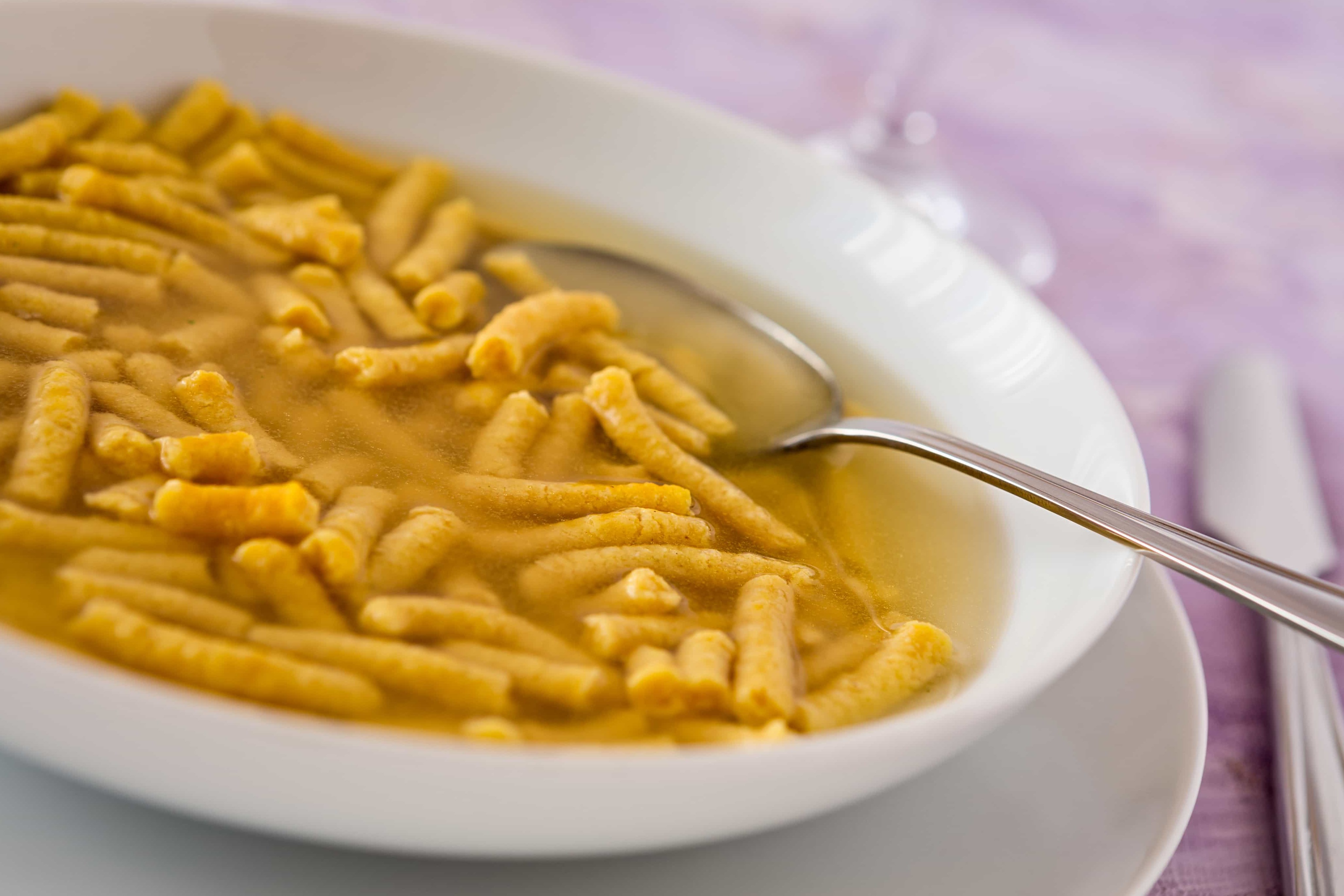
When it comes to gastronomy, Ravenna shines brightest in its first courses. Among the most beloved is passatelli, a classic soup that embodies the essence of Romagnolo cooking. This dish, celebrated for its simplicity and heartiness, consists of a mixture of eggs, cheese, stale bread, and nutmeg, often served in a rich meat or fish broth. Its origins can be traced back to the tardura, a traditional dish served to new mothers and the convalescent, highlighting the nurturing aspect of food in Ravenna's culture.
Other local specialties include tagliatelle al ragù and piadina, a thin flatbread often filled with various ingredients, from cured meats to cheeses. The region is also famous for its seafood, with fresh catches from the Adriatic Sea gracing the tables of local trattorias.
Lesser-Known Curiosities
While Ravenna is praised for its mosaics and cuisine, some hidden gems often go unnoticed by tourists. One such curiosity is the Basilica di San Francesco, where the floor is submerged underwater, creating an otherworldly atmosphere. Additionally, the city is home to the Tomb of Dante, where the great poet is buried. His influence extends beyond literature into the culinary realm, as his works often reference the food of his time.
Another interesting fact is the Palazzo della Provincia, where a unique culinary school trains chefs in traditional Romagnolo recipes, preserving the heritage for future generations.
Practical Visitor Information
The best time to visit Ravenna is during the spring and early autumn months when the weather is mild and the local festivals are in full swing. To truly savor the local cuisine, seek out family-run trattorias and osterias, where authenticity reigns supreme.
Don’t miss the chance to explore the local markets, where vendors sell fresh produce, cheeses, and cured meats, allowing you to taste the essence of Romagna. Engaging with locals can also lead to delightful culinary discoveries, from secret family recipes to hidden dining gems.
For a seamless experience, consider using the Secret World app to craft a personalized itinerary that captures the culinary heart of Ravenna.


