
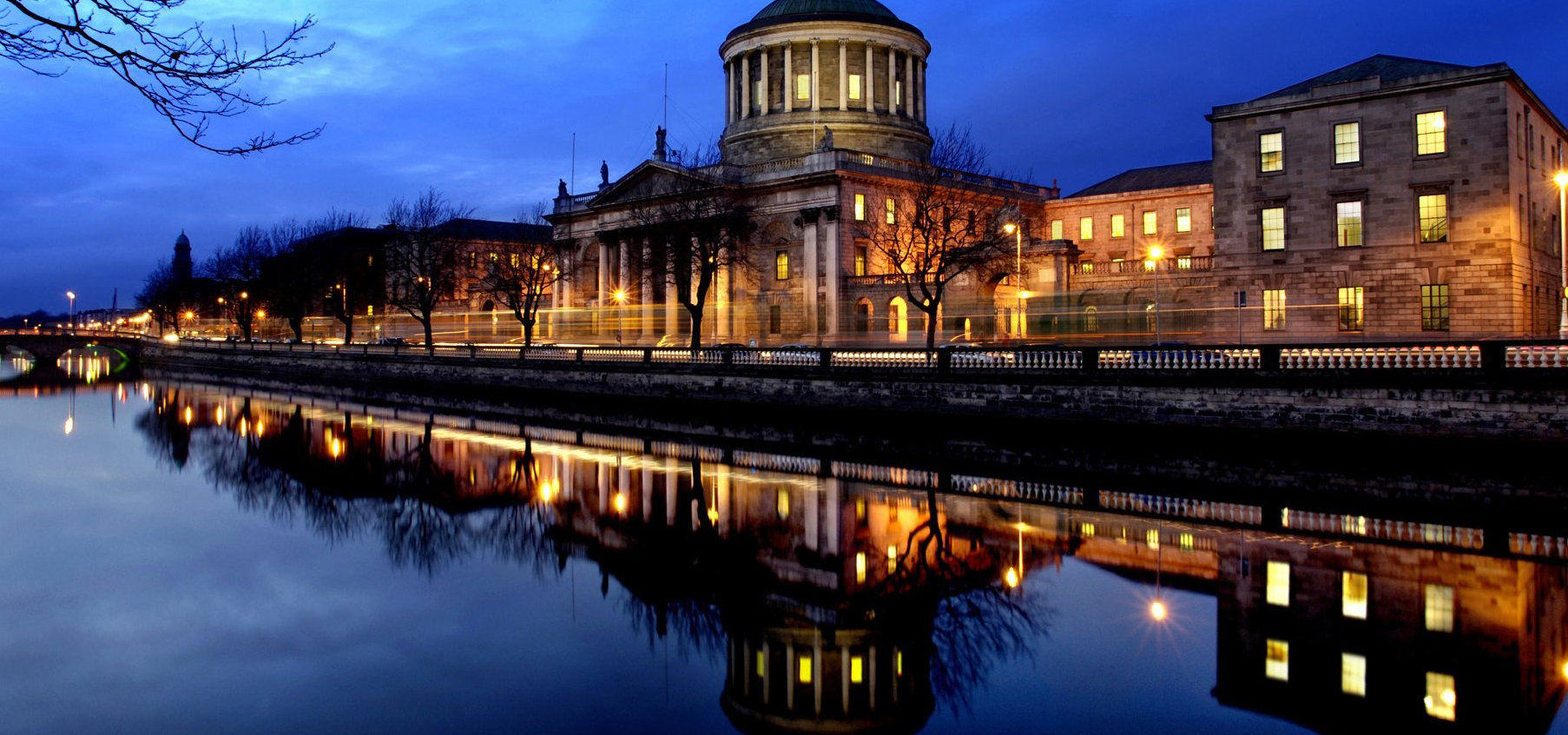

Nestled along the banks of the River Liffey, the Custom House stands as a monumental testament to Dublin's rich architectural heritage. Its grandeur and historical significance make it an unmissable landmark for anyone wandering the streets of Ireland’s capital.
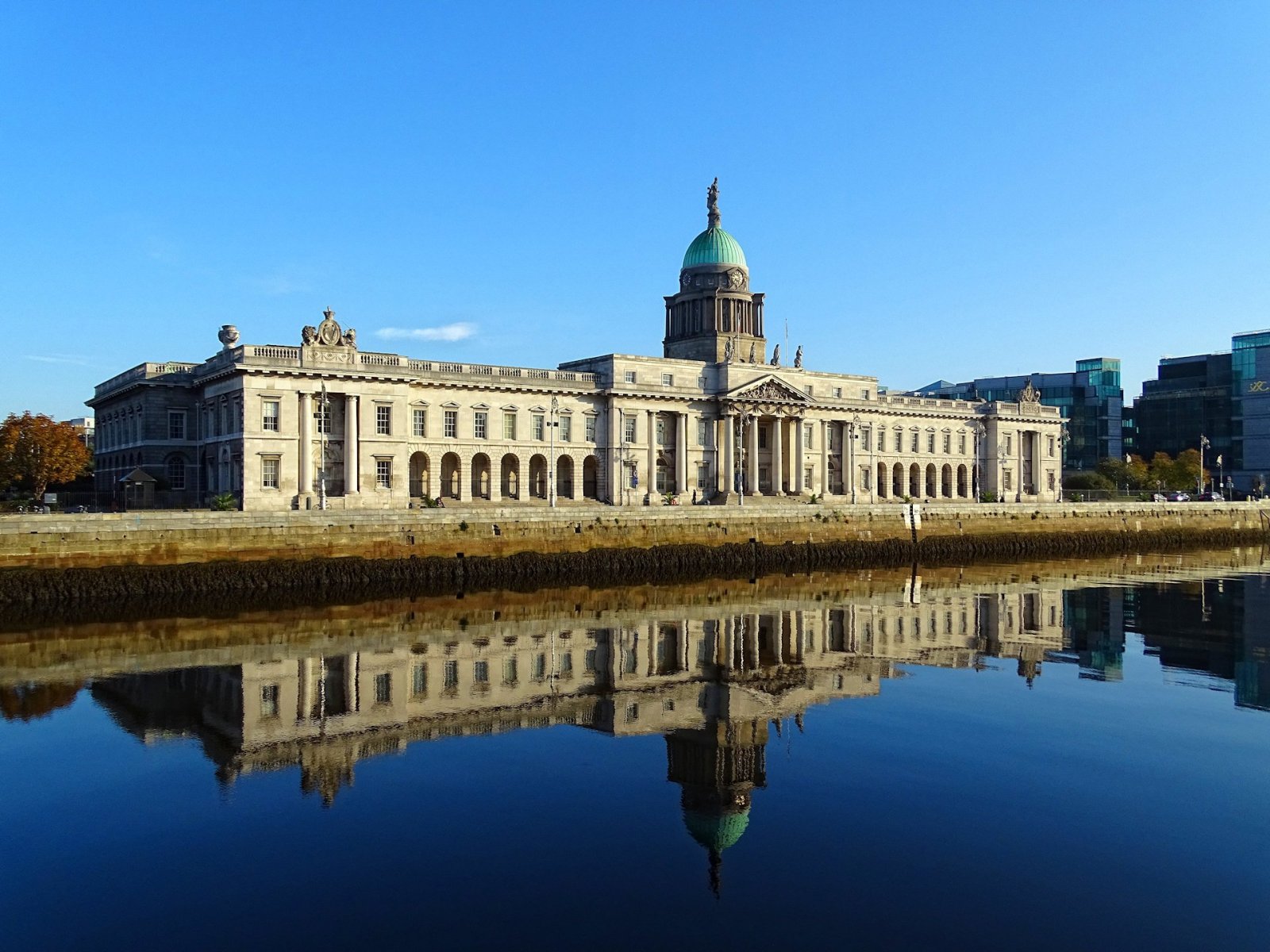
The origins of the Custom House date back to the late 18th century, with its construction commencing in 1781 and culminating in 1791. Designed by the esteemed architect James Gandon, this Palladian-style masterpiece was originally intended to serve as a customs house for collecting taxes from ships entering Dublin’s bustling port. Gandon's design was not only functional but also aesthetic, reflecting the burgeoning confidence of Dublin as a significant port city. Its establishment was pivotal at a time when trade was the lifeblood of the economy, and the Custom House quickly became symbolic of the city's prosperity.
However, the building's history is not without its scars. During the Irish War of Independence in 1921, the Custom House was a target, suffering extensive damage from a fire that consumed its original interior. The reconstruction that followed saw the iconic dome rebuilt, but with a noticeable difference: while the original was crafted from Portland stone, the new dome was made from Irish granite, creating a striking contrast that can still be observed today. This event marked a significant chapter in Dublin’s history, as the Custom House not only represented British rule but also became a symbol of the struggle for Irish independence.
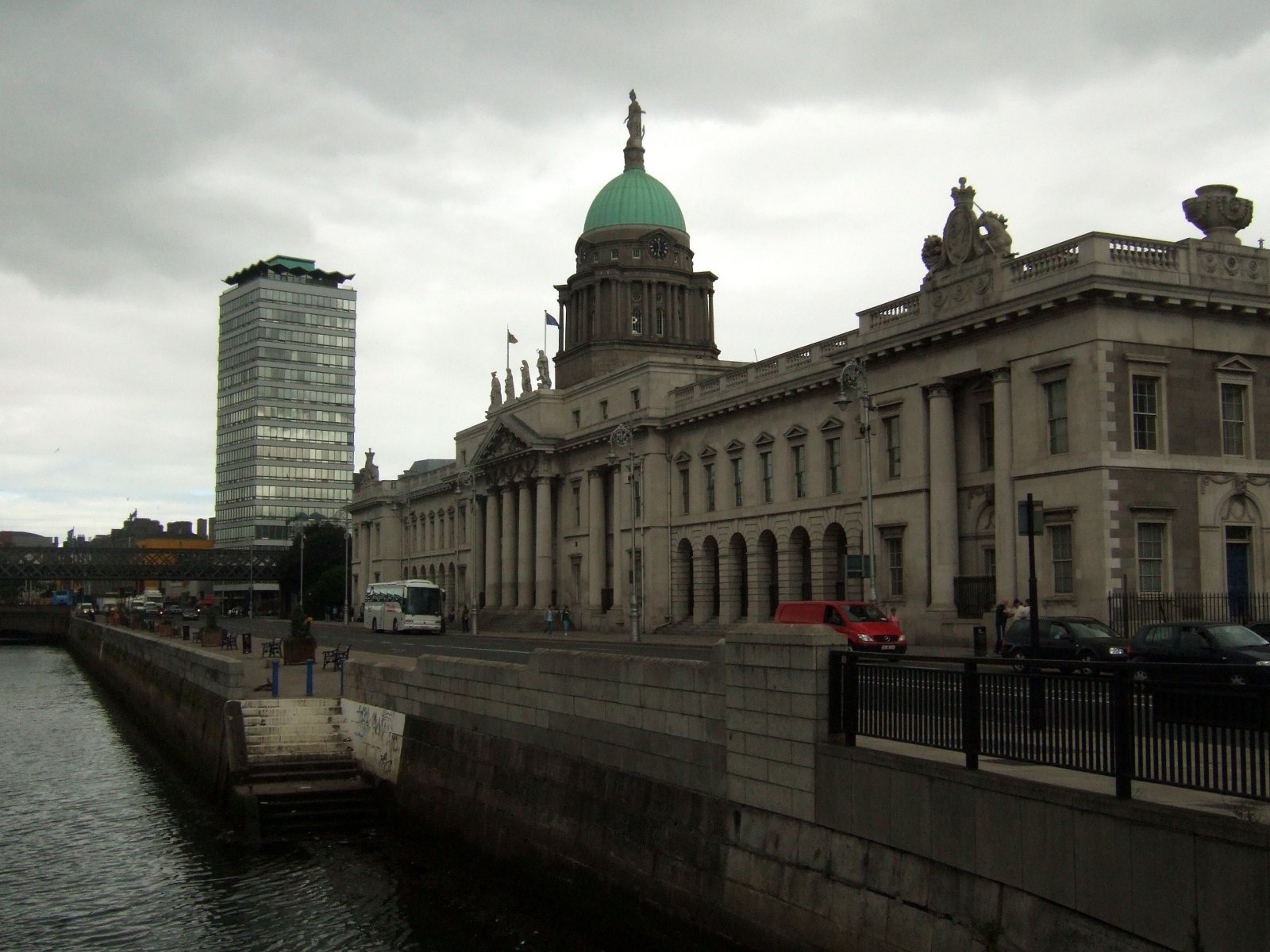
In terms of art and architecture, the Custom House is a rich tapestry of classical influences. Its facade is adorned with intricate sculptures and reliefs, many of which were created by the renowned artist John Hogan. The building features a grand portico held up by imposing Corinthian columns, while the central dome, rising high above the Liffey, offers stunning views of the city. Within its walls, though the interior remains largely inaccessible to the public, the stories of Ireland’s governance and maritime history echo in its design. The building's artistic significance lies not only in its architectural beauty but also in its role as a canvas reflecting Ireland’s evolving identity.
Local culture in the vicinity of the Custom House is vibrant and steeped in tradition. The area around the Liffey is alive with festivals celebrating everything from music to literature. Notably, the Dublin Fringe Festival, held every September, showcases a myriad of performances, art installations, and cultural events, with the Custom House often serving as a backdrop for various artistic expressions. The river itself serves as a cultural artery, hosting events like the Riverfest, where locals and tourists alike gather to celebrate Dublin’s rich maritime heritage.
When it comes to gastronomy, the Custom House's location puts it in proximity to some of Dublin's best culinary offerings. Just a stone's throw away, local eateries serve traditional Irish fare such as Irish stew, made from lamb and root vegetables, and boxty, a type of potato pancake. Pair your meal with a pint of Guinness or a classic Irish whiskey for an authentic taste of Dublin. The nearby Temple Bar district, famous for its pubs and eateries, is an excellent place to explore the local food scene, often with live traditional music enhancing the experience.
For those seeking lesser-known curiosities, the Custom House has its share of surprising stories. One such tale involves the River Liffey itself; legend has it that the river was once a vital waterway for transporting goods, but it also became a haunt for smugglers, leading to the very establishment of the Custom House. Additionally, the building has been the backdrop for various film and television productions, including the acclaimed series “The Tudors,” which has contributed to its fame beyond Dublin's borders.
If you’re planning a visit, the best time to appreciate the Custom House is during the spring and summer months when the weather is mild and the surrounding gardens bloom. While the building is not open to the public for tours, its exterior remains an awe-inspiring sight. Take a leisurely stroll along the riverbank, capturing photographs of the building's intricate details and the grand dome that dominates the skyline.
For an enriching experience, look out for the small plaques and informational signs nearby that tell the story of the Custom House and its role in Dublin’s history. As you explore the area, consider stopping by a nearby cafe for a quick bite or a warm drink as you admire this architectural gem.
To truly immerse yourself in the wonders of Dublin, think about planning your visit with the Secret World app, which can help you create a personalized itinerary tailored to your interests.


