
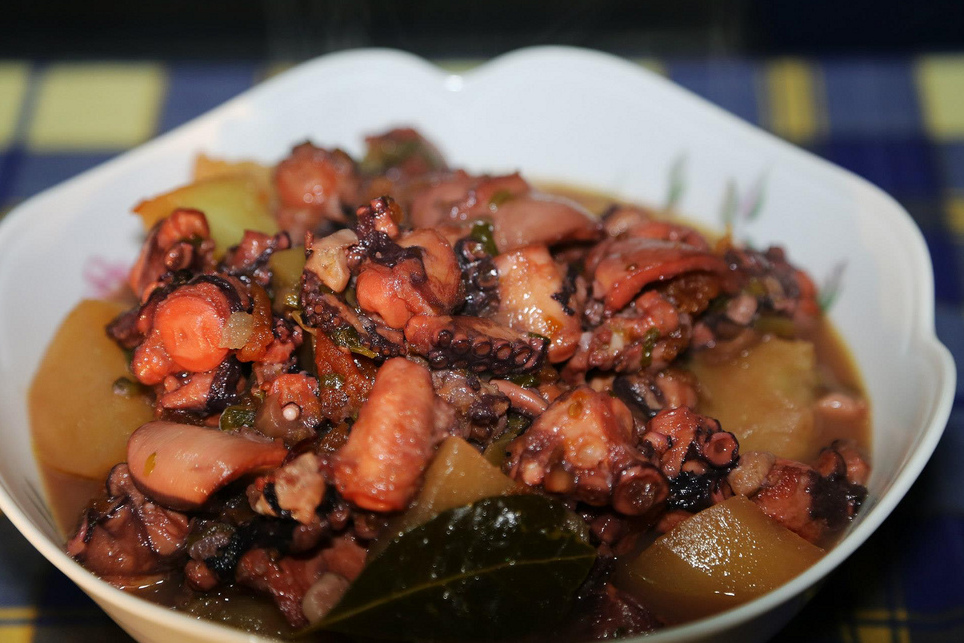

Nestled along the shimmering Ionian Sea, the charming town of Gallipoli offers a rich tapestry of history, culture, and culinary delights. At the heart of its gastronomic allure is the traditional dish 'lu purpu alla pignata', a testament to the town's deep-rooted connection with the sea. This stewed octopus dish, cooked lovingly in a terracotta pot, encapsulates the essence of Gallipoli's culinary heritage.
The history of Gallipoli stretches back to ancient times, with its name deriving from the Greek 'Kallipolis,' meaning 'beautiful city.' Founded by Greek settlers, this coastal town thrived as a crucial maritime hub, thanks to its strategic position in the Salento peninsula. Over the centuries, Gallipoli witnessed a parade of conquerors, from the Romans to the Byzantines, and later the Normans, each leaving a distinct mark on its cultural fabric. The town's resilient spirit is mirrored in its cuisine, where local ingredients and age-old recipes tell stories of a rich and varied past.
The architectural landscape of Gallipoli is a splendid mix of styles, reflecting its historical legacy. The Castello di Gallipoli, a formidable fortress built in the 13th century, stands as a sentinel at the entrance to the old town. Its robust walls and towers narrate tales of defense and power. The Baroque Cathedral of Sant'Agata, with its intricate façade and opulent interiors, showcases the artistic grandeur of the 17th century. Inside, visitors can admire stunning frescoes and sculptures that pay homage to the town's artistic prowess.
Gallipoli's local culture is vibrant and lively, with traditions deeply embedded in the community's daily life. One of the most anticipated events is the annual Festa della Madonna del Canneto, a celebration that fills the streets with processions, music, and fireworks, honoring the town's patron saint. Another vibrant festival is the Sagra del Pesce, where locals and visitors alike indulge in the freshest seafood, celebrating the bounties of the sea.
Gastronomy in Gallipoli goes beyond 'lu purpu alla pignata.' The town's culinary repertoire includes 'scapece', a dish of fried fish marinated in vinegar and saffron, and 'ciceri e tria', a pasta and chickpea dish with roots in ancient Roman cuisine. Local wines, such as Primitivo di Manduria and Negroamaro, perfectly complement these dishes, offering a true taste of the Salento region.
For those seeking lesser-known curiosities, Gallipoli holds secret treasures that often escape the typical tourist itinerary. The Frantoio Ipogeo, ancient underground oil mills, reveal the town's olive oil production history, while the Greek Fountain, believed to be one of Italy's oldest, is a testament to the town's ancient origins. Strolling through the narrow alleys of the old town, visitors might stumble upon hidden courtyards adorned with vibrant flowers, offering serene escapes from the bustling streets.
Practical tips for visiting Gallipoli include timing your trip for the late spring or early autumn when the weather is pleasantly warm and the summer crowds have dissipated. Exploring the old town on foot is highly recommended, as it allows for a more intimate experience of its winding streets and historic sites. Don’t miss the local markets, where you can sample fresh produce and artisanal goods unique to the region.
In Gallipoli, every corner tells a story, and every meal is a celebration of its enduring connection to the sea and its diverse cultural heritage. Whether you're savoring the tender octopus of 'lu purpu alla pignata' or marveling at the town's architectural wonders, Gallipoli promises a journey filled with discovery and delight.


