
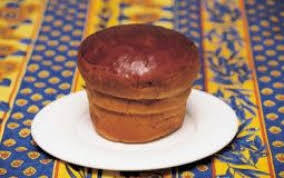

{ "title": "Focaccia Bastarda: A Culinary Treasure of Pitigliano", "description": "Nestled in the heart of Tuscany, the charming town of Pitigliano is renowned for its breathtaking landscapes and rich history. Among its culinary delights, the Focaccia Bastarda stands out as a unique symbol of the region's peasant tradition. This cake, characterized by its distinctive mushroom shape, not only showcases the ingenuity of local bakers but also serves as a delicious testament to the area's agricultural roots.\n\n### History and Origins\nThe origins of Focaccia Bastarda are steeped in the agricultural practices of the region, dating back to the Etruscan civilization that flourished in this area more than 2,500 years ago. Pitigliano, perched atop a tuff cliff, has been a vital hub for trade and agriculture, allowing for the exchange of ideas and culinary practices. As the town evolved through the Middle Ages, its inhabitants embraced the simplicity and resourcefulness of peasant cooking, giving rise to traditional recipes that would endure through generations. \n\nThe term 'bastarda' reflects the rustic nature of the cake. Made from a simple mixture of flour, water, and yeast, the focaccia is baked in a cylindrical container, allowing the dough to rise and spill over the sides, forming its iconic shape. The cake’s whimsical appearance has captured the hearts—and appetites—of locals and visitors alike.\n\n### Art and Architecture\nPitigliano is not only known for its culinary offerings but also for its striking architecture. Often referred to as the " , " this town is a stunning example of Etruscan architecture, with its ancient stone buildings and narrow, winding streets. The Duomo di Pitigliano, dedicated to Saint Peter, stands as a testament to the town's historical significance. This Renaissance-style cathedral, built in the 16th century, showcases beautiful frescoes and intricate woodwork, making it a must-visit for art enthusiasts.\n\nAdditionally, the town's Jewish Ghetto and its ancient synagogue reflect the rich tapestry of cultures that have influenced Pitigliano throughout the centuries, adding layers of historical depth to the already vibrant community.\n\n### Local Culture and Traditions\nIn Pitigliano, culture thrives in the rhythm of its seasonal festivals. One of the most notable is the Festa della Focaccia Bastarda, held annually in September. This event celebrates the town's culinary heritage with tastings, cooking demonstrations, and competitions to find the best focaccia. Locals and tourists come together, sharing stories and enjoying live music that echoes through the cobbled streets.\n\nAnother cherished tradition is the “Sagra della Madonna delle Grazie,” which honors the town's patron saint. The festival features a colorful procession, traditional music, and local food stalls, allowing visitors to immerse themselves in the heartfelt customs and shared pride of the community.\n\n### Gastronomy\nBeyond the Focaccia Bastarda, Pitigliano boasts a rich culinary landscape. The region is celebrated for its local wines, particularly the Ansonica and Morellino di Scansano, which pair beautifully with traditional dishes like Pici cacio e pepe and hearty stews featuring locally sourced meats and vegetables. Olive oil from the surrounding hills is a staple in many households, adding a distinct flavor to the local cuisine.\n\nWhen in Pitigliano, be sure to visit the local trattorias and osterias, where you can savor the flavors of the land while enjoying the warm hospitality of the locals.\n\n### Lesser-known Curiosities\nOne of the most intriguing aspects of Focaccia Bastarda is its playful name. The term 'bastarda' does not imply any negative connotation; instead, it highlights the cake's unexpected form and rustic charm. Additionally, many locals believe that the focaccia tastes best when shared among friends and family, making it a symbol of community and togetherness.\n\nAnother hidden gem in Pitigliano is the “Caves of Pitigliano,” a network of ancient tunnels and caves carved into the tuff rock. These caves were originally used for various purposes, including storage and even as living quarters, providing a glimpse into the town’s historical resilience.\n\n### Practical Visitor Information\nThe best time to visit Pitigliano is during the spring and early fall, when the weather is mild, and the landscapes are at their most vibrant. The town is easily accessible by car or train, with several local buses connecting it to larger cities like Siena and Orvieto.\n\nWhen exploring Pitigliano, take your time to wander through its narrow streets, enjoy the breathtaking views of the surrounding countryside, and indulge in the local delicacies, especially the Focaccia Bastarda. Look for local bakeries that offer this unique cake and don’t hesitate to ask for recommendations.\n\nPitigliano is a true testament to the beauty of Tuscan culture, where history, art, and gastronomy come together in a delightful feast for the senses. For a personalized itinerary to discover the hidden gems of this enchanting town, consider using the Secret World app for your next adventure. "


