
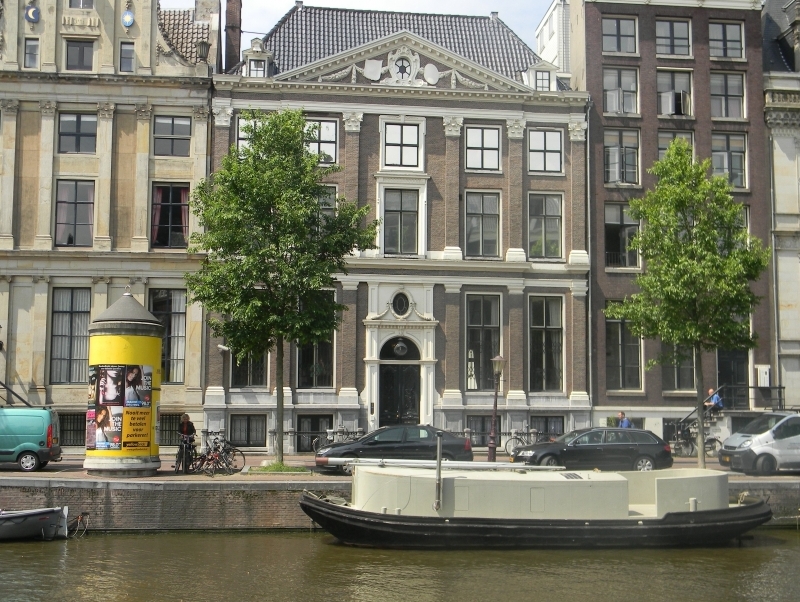

Nestled along the picturesque Herengracht canal in Amsterdam, The Grachtenhuis stands as a testament to the city's rich maritime history. Opened in 2011, the museum celebrates the Amsterdam Canal Belt, which was inscribed as a UNESCO World Heritage Site. This historic area reflects the city’s golden age in the 17th century when the canals were a symbol of wealth and innovation.

The Herengracht, where The Grachtenhuis is situated, is one of the three main canals built during this period, alongside the Prinsengracht and Keizersgracht. These waterways were not just for transportation but were essential in shaping Amsterdam's urban landscape, allowing for an influx of trade and cultural exchange. The museum itself occupies a building that dates back to 1663, once home to affluent merchants and bankers. Notably, Jan Willink, one of its residents, made a substantial contribution of 30 million dollars to support the American government during its war of independence, showcasing the building's historical significance.
Architecturally, The Grachtenhuis is a splendid representation of Dutch Classicism. Its facade features elegant gables and tall, narrow windows typical of the Golden Age. Inside, visitors can explore a range of 3-D animations, scale models, and multimedia exhibitions that vividly depict the evolution of Amsterdam's canal system. The interactive displays engage visitors in the tales of the past, illustrating how these waterways transformed the city into a bustling hub of commerce and culture.

The museum isn’t just about the past; it’s also a reflection of local culture. Amsterdam has a tradition of celebrating its maritime heritage, which includes various festivals like Amsterdam Canal Festival. This annual event features classical music performances on the water, drawing attention to the beauty of the canals and the role they play in the city's identity.
Gastronomy in Amsterdam is another delightful aspect of the local experience. While visiting The Grachtenhuis, don’t miss the chance to savor stroopwafels, a traditional Dutch treat made of two thin waffles filled with caramel syrup. Pair it with a cup of Dutch coffee, known for its rich flavor, or sample some haring, a raw herring fish served with onions and pickles, often enjoyed standing at a fish stall along the canals.
For those interested in lesser-known curiosities, The Grachtenhuis has some hidden gems. One fascinating detail is the secret passageways that once allowed wealthy residents to navigate the city without being seen, a common practice among the elite of the time. Additionally, the museum's collection includes personal artifacts from notable residents, offering an intimate glimpse into the lives of those who shaped the city.
The best time to visit The Grachtenhuis is during the spring and early autumn months, when the weather is mild and the surrounding canal-side gardens are in full bloom. Be sure to purchase tickets in advance, especially during peak tourist seasons, to avoid long waits. When inside the museum, take a moment to enjoy the stunning views of the Herengracht canal from the upper floors, where you can truly appreciate the beauty of the canal belt.
In conclusion, The Grachtenhuis is not just a museum; it’s a portal into Amsterdam’s fascinating past, where the stories of trade, culture, and innovation come alive. Make sure to immerse yourself in its rich offerings and explore the vibrant history of the city’s canals. For a more personalized experience, consider using the Secret World app to craft your perfect Amsterdam itinerary.


