
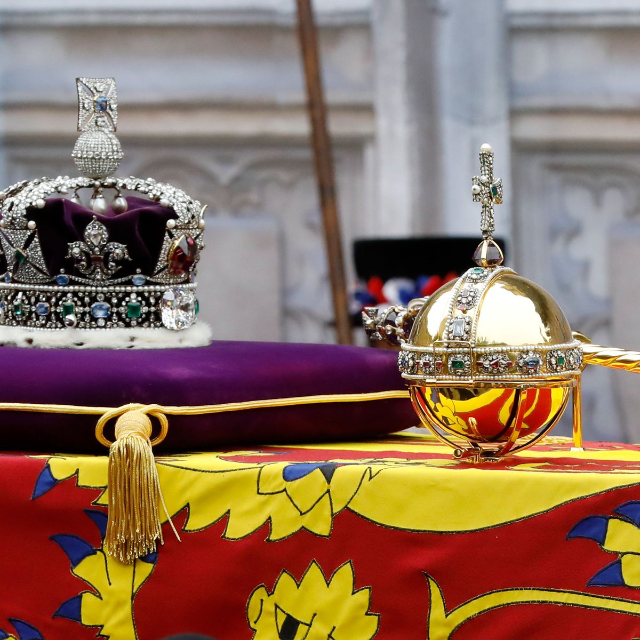

Nestled within the historic walls of the Tower of London, the Jewel House serves as a glittering testament to the grandeur and history of the British monarchy. This iconic repository not only houses the dazzling Crown Jewels but also weaves together a tapestry of British history, art, and culture that captivates visitors from around the globe.
The origins of the Jewel House date back to the 14th century when Edward III first established a royal treasury within the Tower of London. This move was both practical and symbolic, ensuring the security of the kingdom's most precious regalia. Over centuries, the collection has grown, reflecting the changing styles, tastes, and power dynamics of the monarchy. A key historical moment occurred in 1661 when the current coronation regalia were created after the original pieces were destroyed during the English Civil War. These jewels have witnessed the crowning of every British monarch since Charles II, making them invaluable artifacts of the nation’s history.
Architecturally, the Jewel House is a marvel in its own right. It is housed within the Waterloo Barracks, a structure that exemplifies the military fortifications typical of the Tower. While the exterior boasts a robust, fortress-like appearance, the interior is designed with a keen sense of drama and reverence. The display cases are carefully arranged to highlight the artistry and craftsmanship of each piece. Notably, St Edward's Crown, used in the coronation of British sovereigns, is crafted from solid gold and adorned with an array of dazzling gemstones, symbolizing the unity and continuity of the monarchy.
The cultural significance of the Crown Jewels extends beyond their intrinsic beauty and historical value. They are a vital part of British ceremonial life, used in state occasions, such as the State Opening of Parliament. This cultural heritage is celebrated annually during the Trooping the Colour, a ceremony marking the official birthday of the British sovereign. The event is a vibrant display of pageantry and tradition, drawing visitors eager to witness the spectacle and the regalia in use.
While the Jewel House is not directly associated with local gastronomy, its location within London offers a taste of British culinary traditions. Visitors can explore nearby areas to savor classic dishes such as fish and chips, or indulge in a traditional afternoon tea. The nearby Borough Market, a short journey across the River Thames, provides a feast for the senses with its array of artisanal foods and local produce.
There are numerous lesser-known curiosities about the Jewel House that often escape the casual observer. For instance, the Imperial State Crown, part of the collection, contains the Black Prince’s Ruby, which is actually a red spinel. This gemstone has a storied past, having adorned the helmets of kings and survived battles. Another intriguing fact is that the collection includes the Cullinan Diamond, the largest gem-quality rough diamond ever found, with several of its cut stones included in the regalia.
For those planning a visit, the best time to explore the Jewel House is early in the morning or late in the afternoon during weekdays to avoid the larger crowds. As you walk through the security gates, keep an eye out for the Yeoman Warders, or Beefeaters, who are not only guardians of the Tower but also living symbols of its rich history. Look for the Ravenmaster, as the presence of ravens at the Tower is steeped in legend, with the belief that the kingdom will fall should they ever leave.
In conclusion, the Jewel House is more than just a collection of jewels; it is a vibrant chronicle of British history and culture. From its storied past and architectural significance to its role in ongoing traditions and ceremonies, it provides a unique window into the enduring legacy of the British monarchy. Whether you're a history buff, an art enthusiast, or simply someone captivated by the allure of royal treasures, the Jewel House promises an unforgettable experience.


