
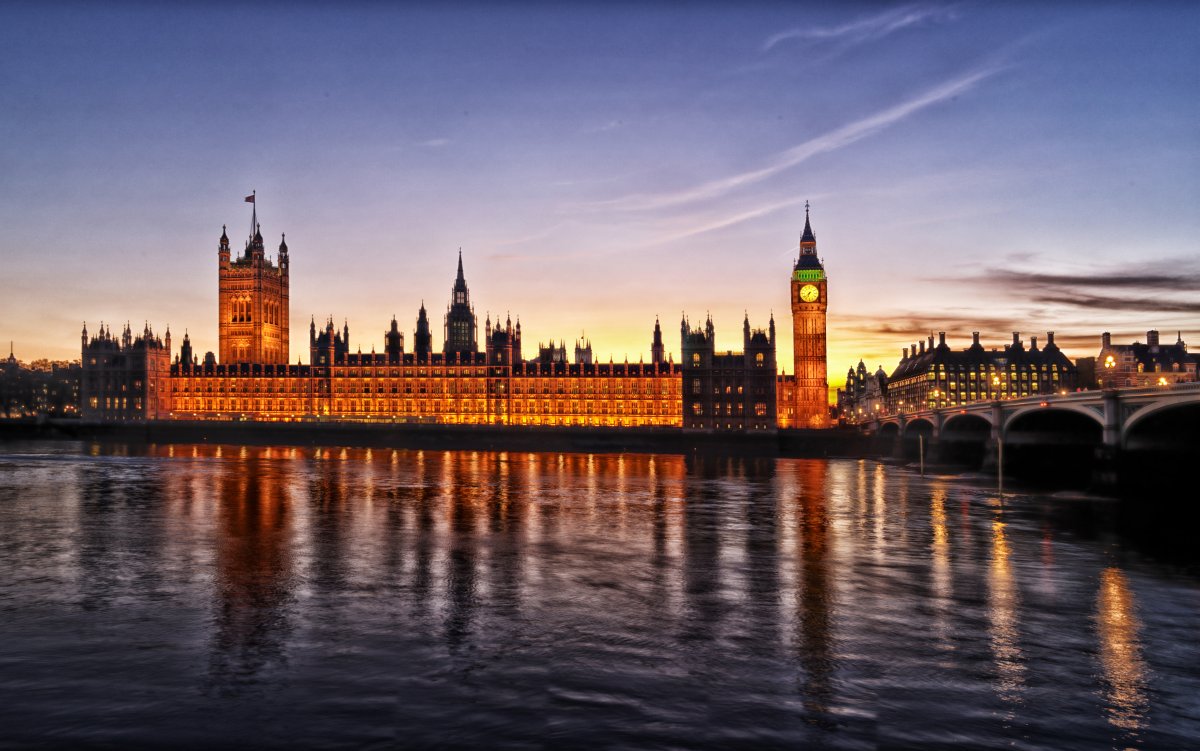

The Palace of Westminster, with its imposing silhouette against the London sky, is much more than just a government building. This iconic political landmark is a symbol of British democracy, a place where history intertwines with the present. Its Gothic architecture, with details that tell centuries of history, is a true artistic treasure that attracts millions of visitors each year.

Located along the banks of the River Thames, the palace is not only the seat of the House of Lords and the House of Commons, but also represents the beating heart of British politics. Walking through its corridors means walking in the footsteps of historical figures who have shaped the destiny of the nation.
A Masterpiece of Gothic Architecture
The Palace of Westminster is a sublime example of Gothic architecture, designed by architect Charles Barry and completed in the 19th century. The structure is characterized by a limestone facade, adorned with elegant ornamental details and statues that celebrate British history. Every corner of the palace is an invitation to discover unique architectural features, such as the intricate gargoyles overlooking the river and the stained glass windows that tell stories of kings and queens.
One of the most iconic features is the Clock Tower, better known as Big Ben. This tower, standing 96 meters tall, is not only a landmark for Londoners but has become a symbol of the city itself. Its clock, one of the largest and most accurate in the world, emits a sound that evokes a bygone era, marking the time for anyone nearby.
Artistic Treasures and History
Entering the Palace of Westminster, one encounters a series of magnificently decorated rooms, each with its own story to tell. The Assembly Hall, for example, is adorned with tapestries depicting significant historical events. These tapestries, crafted with great skill, not only beautify the space but also serve as a visual representation of British history.
But it is not just the fabrics that capture the attention of visitors. Sculptures and artworks, the result of the genius of famous artists, can be found in every corner of the palace. The statue of Oliver Cromwell, placed in front of the main entrance, represents a crucial moment in British History and invites reflection on complex themes such as power and freedom. Each work fits perfectly into the historical and cultural context, making the palace a living museum.
A Place of Meeting and Reflection
In addition to being a workplace for British politicians, the Palace of Westminster is also a meeting place for citizens and tourists. Numerous public events, demonstrations, and debates take place in front of its doors, making politics accessible to all. This democratic aspect is fundamental, as it invites people to feel part of the political machine, regardless of their background or position.
Every year, the palace welcomes thousands of visitors from around the world. Many of them participate in guided tours that offer the opportunity to discover not only the architectural beauty of the building but also the captivating stories of the politicians who have inhabited it and the crucial decisions that have been made within its walls. These experiences enrich the understanding of democracy and its functioning, making the Palace of Westminster a place of reflection and learning.


