
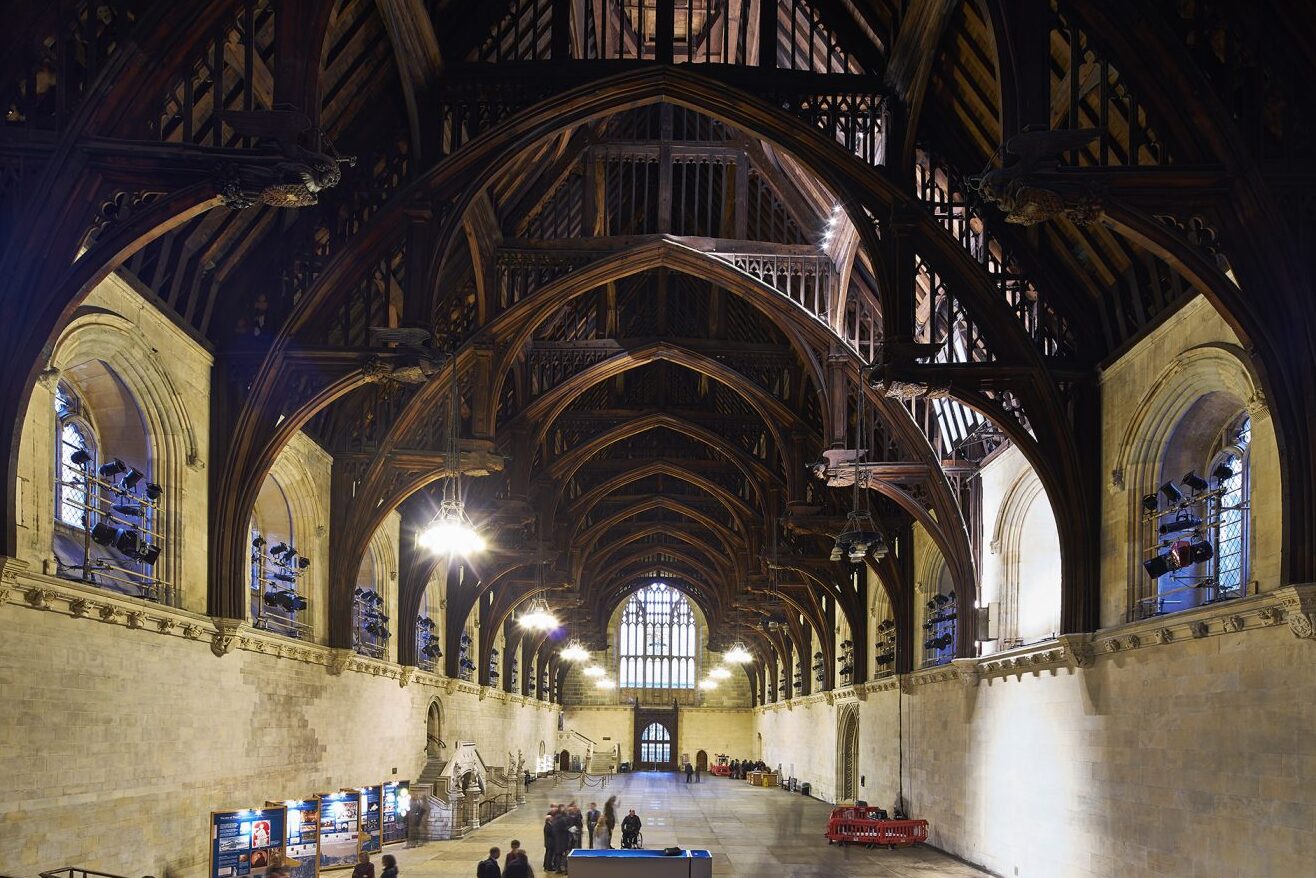

Westminster Hall, the oldest part of the Palace of Westminster, stands as a testament to centuries of British history. Built between 1097 and 1099 during the reign of William II, this magnificent structure is not only a remarkable architectural achievement but also a site steeped in the cultural and political evolution of England.
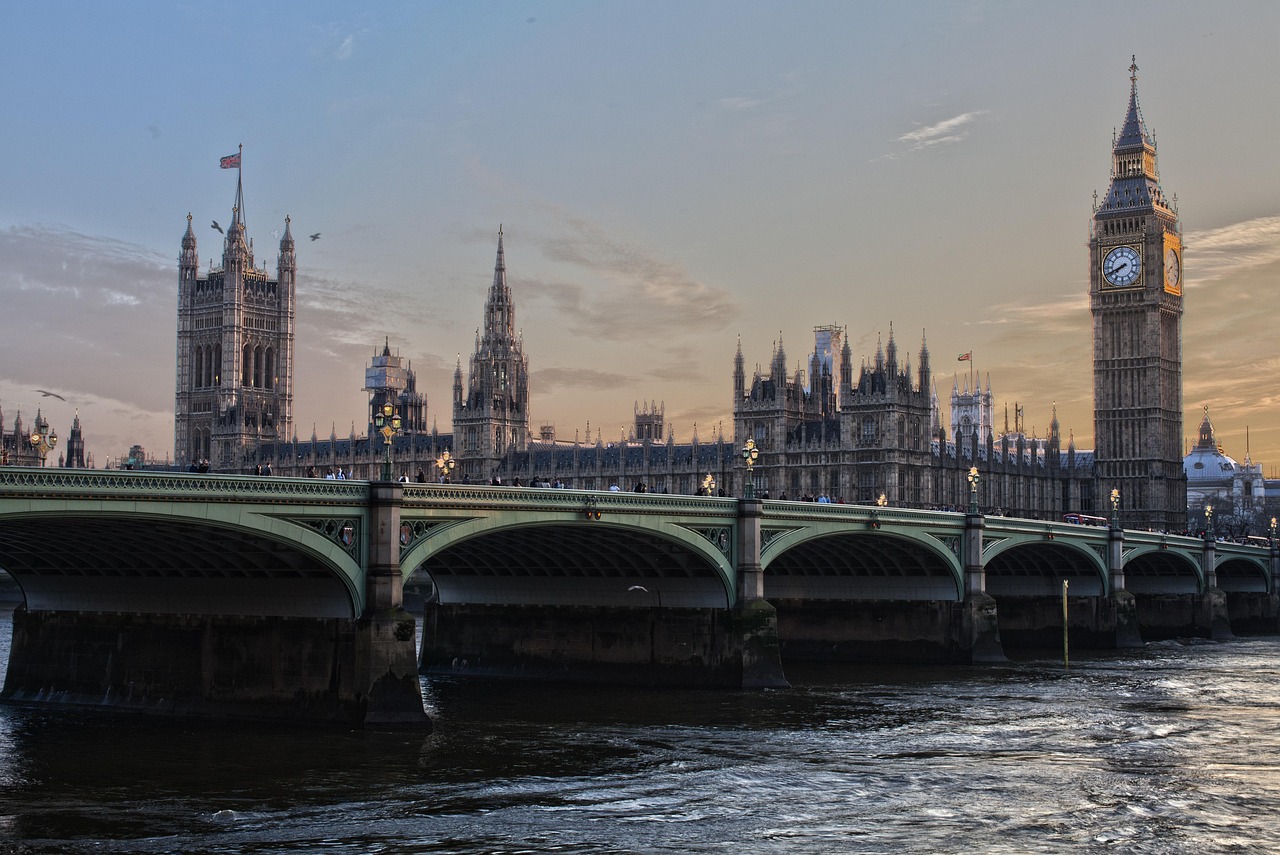
The Hall has witnessed significant events that shaped the nation. Originally serving as the royal palace's great hall, it was the stage for grand banquets and significant ceremonies. In 1295, it was the location of the first full meeting of the Model Parliament, which included commoners and marked a pivotal point in the development of parliamentary democracy. Over the years, it has hosted countless state occasions, including the lying-in-state of notable figures such as Sir Winston Churchill and Queen Elizabeth II.
Architecturally, Westminster Hall is an exceptional example of Norman design. Its timber roof, one of the largest in Europe, is a stunning feat of medieval craftsmanship. The roof's intricate construction, featuring oak beams that were once painted in vibrant colors, creates an impressive visual effect that has captivated visitors for centuries. Notably, the Hall is home to thirteen statues of England’s kings, dating back to Edward the Confessor, adding a regal touch to its historic ambiance.
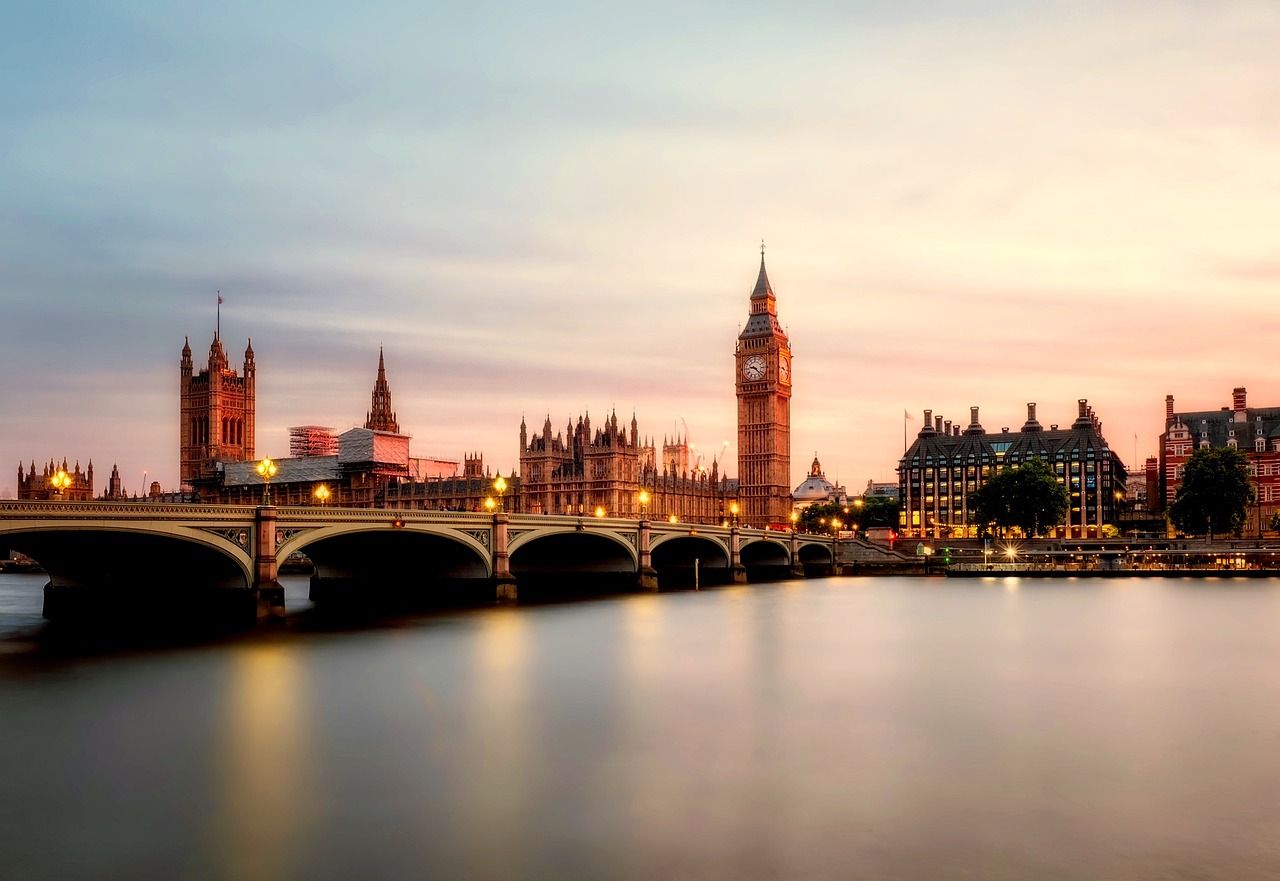
The Hall’s walls are adorned with artifacts and artworks that echo its storied past. Visitors can spot the Great Seal of Henry III and other historical memorabilia that reflect the political significance of the space. The Victorian-era renovations, led by Augustus Pugin, further enhanced the Hall's aesthetic, blending medieval and Gothic styles that continue to inspire awe.
Culturally, Westminster Hall remains a focal point for local customs and traditions. It is often associated with the State Opening of Parliament, a ceremonial event steeped in pomp and circumstance. During this event, the Queen arrives in a grand procession, and the Hall serves as the backdrop for the formalities that mark the beginning of the parliamentary year. Additionally, the space is used for various public speeches and memorials, reinforcing its role as a gathering place for national reflection.
When visiting, one cannot overlook the culinary delights tied to Westminster and its surroundings. The area is famous for traditional British fare, with fish and chips, Sunday roasts, and sticky toffee pudding being local favorites. The nearby Covent Garden offers a vibrant food market, where visitors can sample street food and artisanal products, showcasing the best of British gastronomy.
Among lesser-known curiosities is the fact that Westminster Hall has a unique connection to historical justice—it's where Thomas More was tried for treason in 1535. Additionally, during World War II, the Hall was remarkably preserved due to the foresight of Walter Elliot, who ensured it remained intact amidst the bombings that devastated much of London. Only minor repairs were needed afterwards, allowing it to retain its historical integrity.
For those planning a visit, the best time to explore Westminster Hall is during the spring and autumn months when the weather is mild, and the crowds are less overwhelming. Aim for weekdays if possible, to enjoy a more intimate experience. Be sure to look up at the stunning roof structure and take note of the various artifacts displayed within the Hall. Guided tours often offer deeper insights into the significance of each element, making the experience even more enriching.
As you wander through the echoes of history within Westminster Hall, immerse yourself in the stories that have unfolded within its walls. To truly enhance your visit, consider using the Secret World app for a personalized itinerary that guides you through this magnificent site and beyond.


