



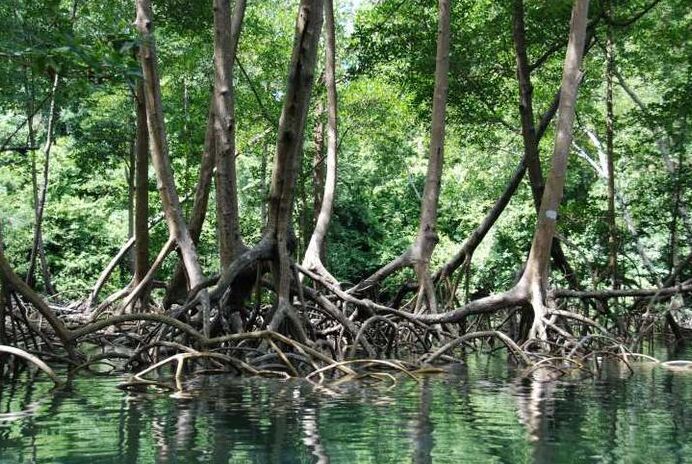
In the heart of Mumbai, a vibrant metropolis often overshadowed by its busy streets and towering skyscrapers, lies a treasure trove of biodiversity: the Mangrove Forests. These unique ecosystems not only offer a glimpse into the natural heritage of the coastal city but also play a vital role in protecting it from environmental threats.
The origins of Mumbai's mangroves can be traced back to ancient times. The area was initially inhabited by the Koli community, who relied on the coastal resources for their livelihood. Historically, the city's geography has changed significantly, especially during the British colonial era when land reclamation projects began altering the coastlines. Despite these changes, the mangroves have persevered, acting as crucial barriers against storm surges and erosion, providing refuge for countless species, and acting as nurseries for marine life.
Architecturally, mangroves are a masterpiece of nature. The intricate root systems of mangrove trees like Rhizophora and Avicennia rise above the water, creating a mesmerizing network that is not only functional but beautiful. These roots stabilize the shoreline and provide essential habitat for various organisms, including crabs, mollusks, and fish. The aesthetic appeal of these forests is enhanced during the monsoon season when the lush greenery contrasts vividly against the blue waters of the Arabian Sea.
The local culture surrounding Mumbai’s mangroves is deeply intertwined with the traditions of the Koli fishermen, who celebrate their connection to the sea and its ecosystems. The Gudi Padwa festival, marking the Marathi New Year, involves rituals that honor the environment, including the mangrove habitat. As the Kolis honor the spirits of the sea, they also emphasize the importance of preserving these ecosystems that have sustained their families for generations.
When it comes to gastronomy, the influence of the mangroves is palpable in Mumbai’s culinary scene. The coastal location has given rise to a rich array of seafood dishes, particularly those featuring bombil (Bombay duck) and prawns, often caught in the waters surrounding the mangroves. Traditional Koli cuisine showcases local fish curry, spicy fried fish, and unique dishes like katri, which is made using the catch of the day. Pairing these dishes with kokum juice or a refreshing sol kadhi (a coconut milk and kokum drink) embodies the coastal flavors of Mumbai, deeply rooted in its marine heritage.
For those keen to explore the mangrove forests, there are a few lesser-known curiosities that enhance the experience. Did you know that Mumbai’s mangroves are home to the elusive mudskipper? This fascinating fish is known for its ability to "walk" on land, showcasing the adaptability of wildlife to this unique environment. Additionally, bird watchers will be delighted by the sight of migratory birds like the greater flamingo and various species of kingfishers that flock to these wetlands, particularly during the winter months.
The best time to visit the mangrove forests is during the cooler months from November to February. The weather is pleasant, making it ideal for exploration and spotting wildlife. Visitors can take guided eco-tours that provide insights into the rich biodiversity and conservation efforts in place. It’s advisable to wear sturdy footwear as the terrain can be muddy, and keeping a camera handy is essential to capture the enchanting landscapes and vibrant wildlife.
While exploring, make sure to look for the Sewri Mudflats, which is a prime location for birdwatching, especially during the migratory season. The juxtaposition of the mangroves against the backdrop of Mumbai's skyline creates a stunning visual that is often missed by tourists focused only on the city's bustling urban environment.
As you wander through the mangroves, you’ll not only gain a deeper appreciation for Mumbai’s natural beauty but also understand the environmental challenges these ecosystems face. The local communities are increasingly involved in conservation efforts, emphasizing the significance of sustainable practices to protect this vital habitat.
For a personalized experience and to make the most of your visit to the mangrove forests and beyond, consider using the Secret World app to craft an itinerary that suits your interests and preferences.
