
← Back

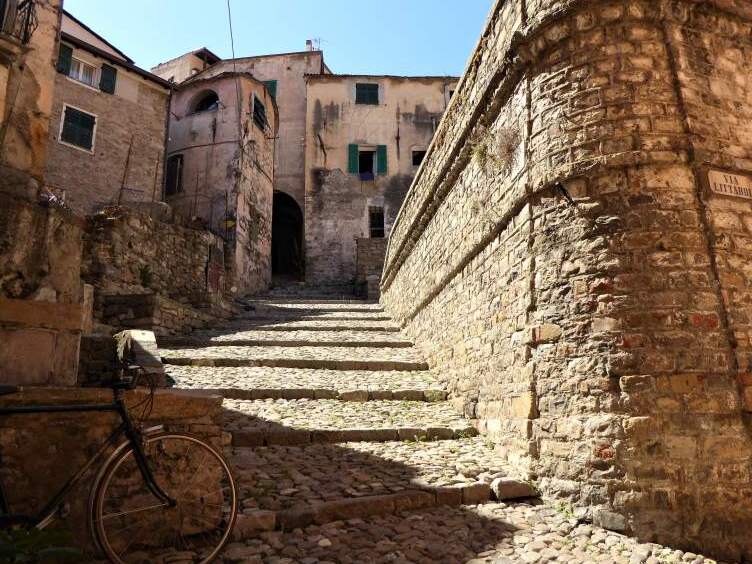
The medieval village of Taggia

18018 Taggia IM, Italia ★★★★☆ 442 views
Patrizia Troise
Taggia
🏆 AI Trip Planner 2026

Get the free app

Discover the best of Taggia with Secret World — the AI trip planner with 1M+ destinations. Get personalized itineraries, hidden gems and local tips. Free on iOS & Android.

🧠 AI Itineraries 🎒 Trip Toolkit 🎮 KnowWhere Game 🎧 Audio Guides 📹 Videos
Download on the App Store Get it on Google Play
Scan to download Scan to download

About The medieval village of Taggia

The medieval village of Taggia - Taggia | Secret World Trip Planner

Taggia is a village rich in art and nature in western Liguria. It is worth a stay in this medieval village with two souls: one historical, constituted by the ancient Taggia with its medieval historical center on the hills, along the bank of the Argentina river, and the other one seaside, constituted by the hamlet of Arma di Taggia, that offers a transparent sea awarded several times with the Blue Flag. Taggia, of medieval origin surrounded by ramparts with gates, will surprise you with its particular triangular shape with a castle on top lying on the hill surrounded by olive trees, from which the famous taggiasche olives and a very tasty olive oil are obtained. The historical center of Taggia has come down to us intact and is the most important in Liguria after that of Genoa. It was built for defensive purposes because of pirate raids. The ancient Romans already built a base for commercial traffic, then destroyed by the Lombards. The Middle Ages was for Taggia a period of great prosperity thanks to the arrival of the Benedictine monks who planted olive trees and began the production of taggiasche olives. Under the control of the Republic of Genoa, noble palaces, squares, churches and convents were built. At the end of the 15th century a jewel of architecture and art was built not far from the town, the convent of San Domenico, for centuries the most important art center of western Liguria. One of the symbols of Taggia is the long 16th century cobblestone bridge over the Argentina River. In fact, the visitor is greeted upon arrival by the monumental Ponte Antico, with 15 arches and a length of 275 meters. Built in the 13th century on the left bank of the river, the bridge was extended until the 17th-18th centuries.

🗺 AI Trip Planner

Plan your visit to Taggia

Suggested itinerary near The medieval village of Taggia

MAJ+
500.000+ travelers worldwide
  1. 🌅
    Morning
    The medieval village of Taggia
    📍 Taggia
  2. ☀️
    Afternoon
    Taggia | Convent of San Domenico
    📍 0.7 km · Taggia
  3. 🌆
    Evening
    Bussana Vecchia, the village of artists
    📍 3.4 km · Taggia

Buy Unique Travel Experiences

Powered by Viator

See more on Viator.com

Explore nearby · Taggia

Frequently Asked Questions

Taggia's historical center is the most important in Liguria after Genoa and has remained remarkably intact. Built in a distinctive triangular shape with defensive ramparts and gates, it was constructed to protect against pirate raids and represents one of the finest examples of medieval architecture in the region.
The Ponte Antico is a monumental 16th-century cobblestone bridge spanning the Argentina River with 15 arches and stretching 275 meters in length. Originally built in the 13th century, it was extended through the 17th-18th centuries and serves as one of Taggia's most iconic symbols welcoming visitors upon arrival.
Taggiasche olives are a famous local variety that produces excellent olive oil and have been cultivated in Taggia since the Middle Ages when Benedictine monks planted the first trees. The triangular hilltop of medieval Taggia is surrounded by olive groves where these prized olives are still grown today.
Yes, the hamlet of Arma di Taggia offers a seaside experience with transparent waters that have been awarded the Blue Flag multiple times for cleanliness and quality. This makes Taggia unique as a medieval village with both a well-preserved historical center and an excellent beach destination.
The Convent of San Domenico, built at the end of the 15th century near the town, is a jewel of architecture and art that served as the most important cultural center of western Liguria for centuries. It's an essential visit to understand the region's artistic heritage and medieval prosperity under Genoese control.
