

Nestled in the heart of Tuscany, Pitigliano is a captivating town that seems to emerge from the tuff cliffs on which it is perched. Known as "Little Jerusalem" for its rich Jewish heritage, this enchanting town is a place where history, culture, and gastronomy intertwine seamlessly. Among its many treasures is a humble yet beloved culinary creation: the Migliaccia di Pitigliano.
The history and origins of Pitigliano stretch back to the Etruscans, who first settled in the region around the 7th century BCE. The town's strategic location made it a significant center during the Roman era and later under the rule of the Aldobrandeschi family in the Middle Ages. Pitigliano flourished during the Renaissance under the Orsini family, who were instrumental in shaping the town's architectural landscape. The Jewish community, which first arrived in the 16th century, also played a pivotal role in Pitigliano's development, leaving behind a legacy that still resonates today.
Pitigliano's art and architecture are as striking as its history. The town is characterized by narrow alleys, charming squares, and ancient stone buildings that showcase a unique blend of Etruscan, Medieval, and Renaissance influences. The imposing Orsini Fortress, dating back to the 14th century, is a must-see, offering a glimpse into the town's fortified past. The Cathedral of Saints Peter and Paul, with its Baroque facade, and the Synagogue of Pitigliano, a testament to the town's Jewish heritage, are other architectural highlights that reflect the town's rich cultural tapestry.
The local culture and traditions of Pitigliano are deeply rooted in its rural past. The town hosts several festivals throughout the year, celebrating everything from religious events to local produce. One of the most notable is the Torciata di San Giuseppe, a traditional festival held in March, where a procession and bonfire symbolize the arrival of spring. During these celebrations, the town comes alive with music, dance, and of course, food.
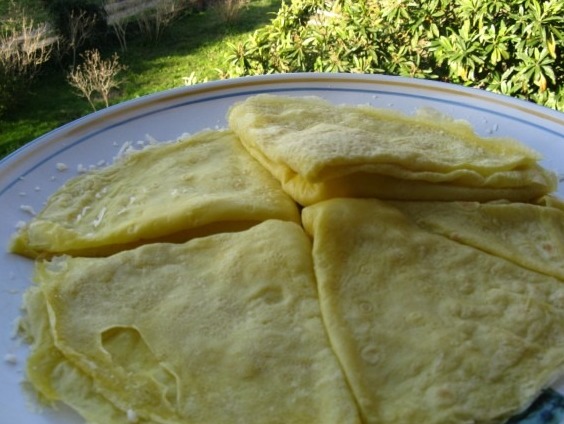
Speaking of food, the gastronomy of Pitigliano is a delightful journey into the flavors of Tuscany. The Migliaccia di Pitigliano stands out as a symbol of the area's rural tradition. This crepe-like dish, with its delicate thinness and pale yellow hue, was historically offered at weddings alongside other baked goods, symbolizing good fortune and prosperity. Today, it remains a cherished part of local culinary heritage. Other regional delights include Acquacotta, a simple yet flavorful soup made with local vegetables, and the robust Bianco di Pitigliano, a white wine that perfectly complements the area's rustic dishes.
For those seeking lesser-known curiosities, Pitigliano holds many secrets. The town is renowned for its Vie Cave, ancient Etruscan roads carved deep into the tuff rock that connect Pitigliano with nearby towns like Sorano and Sovana. These mysterious passageways, shrouded in history and legend, offer a fascinating glimpse into the past. Additionally, the town's Jewish Quarter, with its kosher bakery and ancient cemetery, provides insights into the unique cultural blend that characterizes Pitigliano.
Practical visitor information is essential for those planning a trip to this Tuscan gem. The best time to visit is during the spring or early autumn when the weather is mild and the landscape is particularly stunning. Exploring the town on foot is highly recommended, allowing visitors to fully appreciate its intricate architecture and breathtaking views. Don't miss the opportunity to sample local delicacies, and make sure to visit during one of the town's vibrant festivals for an authentic experience.
In conclusion, Pitigliano is a place where history, culture, and gastronomy come together in a harmonious blend. The Migliaccia di Pitigliano, with its roots in rural tradition, is just one of the many reasons to explore this enchanting town. Whether you're wandering through its ancient streets, savoring its culinary delights, or uncovering its hidden stories, Pitigliano promises an unforgettable journey into the heart of Tuscany.


