
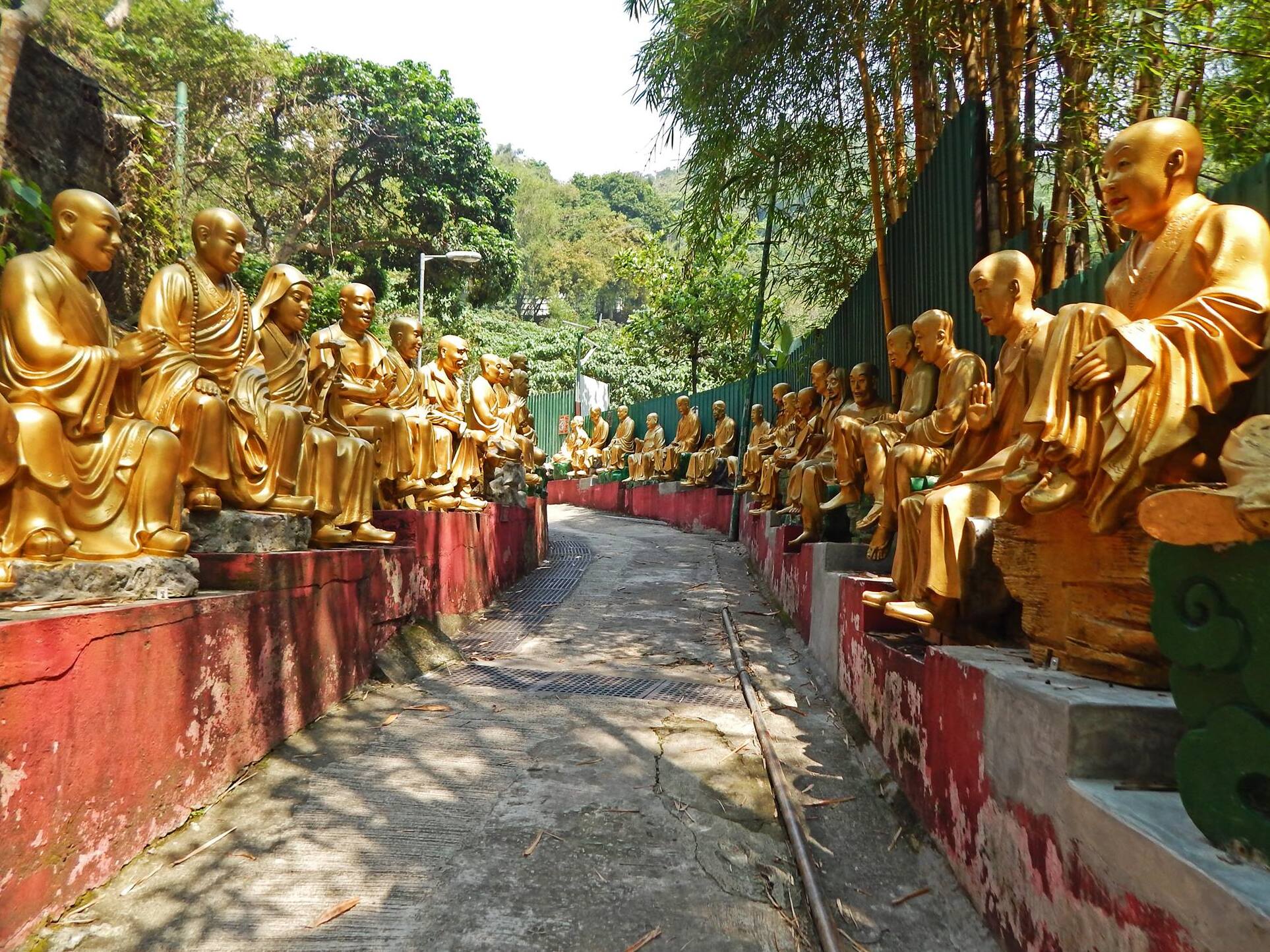

Nestled atop Po Fook Hill in Sha Tin, the Ten Thousand Buddhas Monastery (or Man Fat Tsz) stands as a monument to spiritual devotion and artistic expression. Founded in 1949 by the Reverend Yuet Kai, this iconic temple is a vivid tapestry of history, culture, and spirituality, completed in 1957. As visitors ascend the 431 steps, they are greeted with over 12,800 gilded statues of Buddha, each uniquely crafted to embody different postures and expressions of enlightenment.
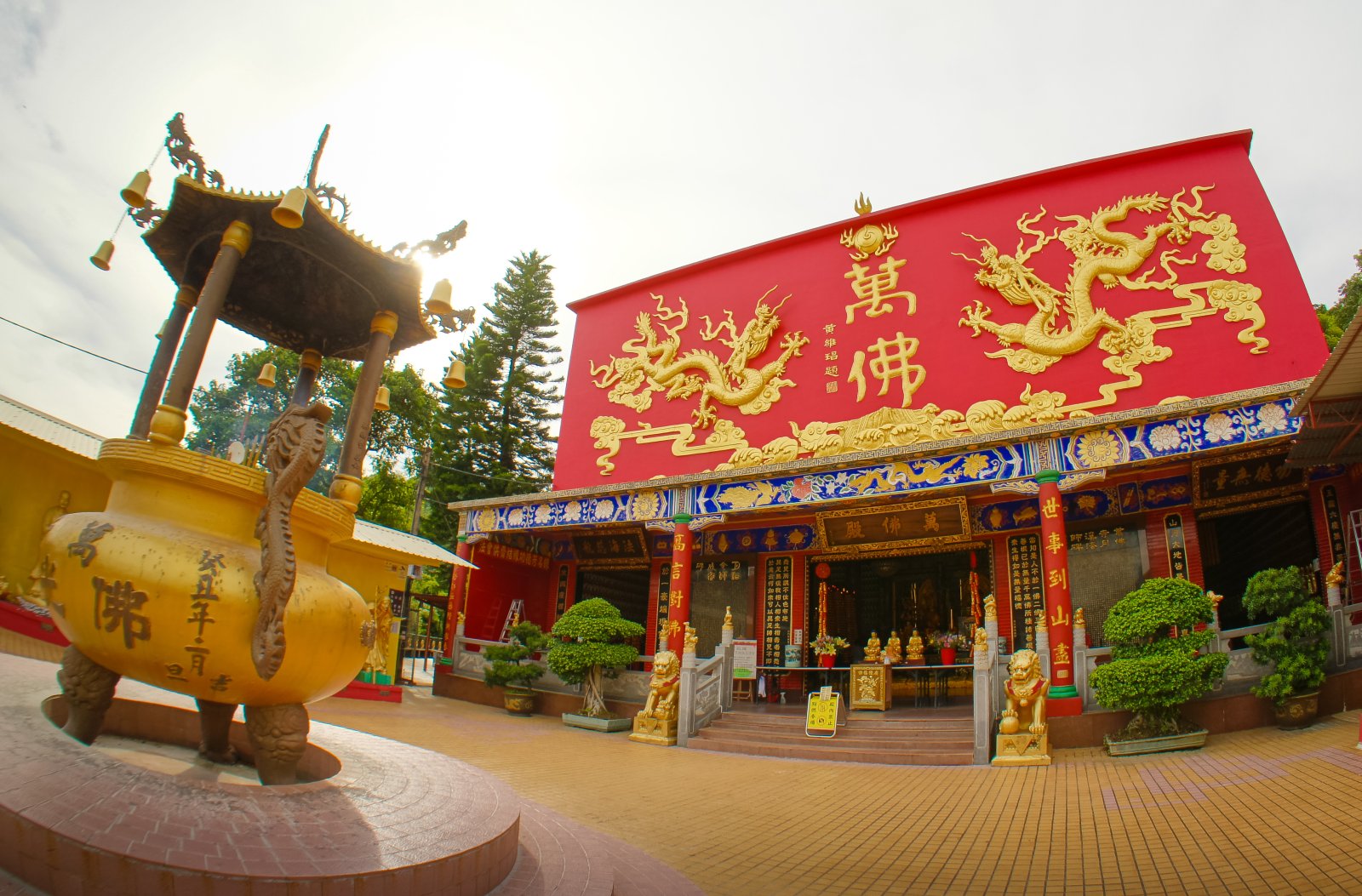
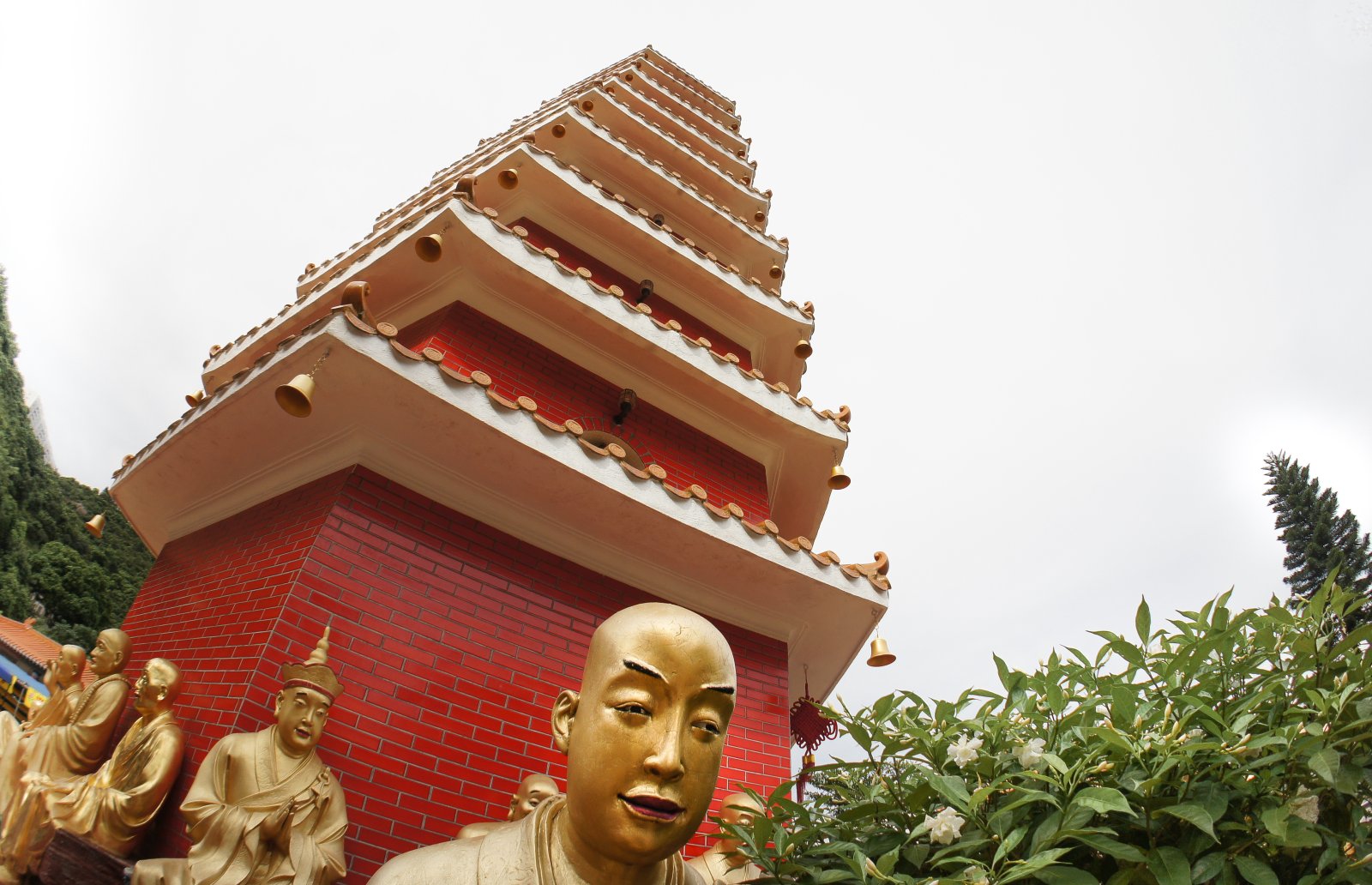
The monastery's architecture is an eclectic mix of traditional Chinese styles, with its vibrant colors and intricate designs inviting admiration. Kwun Yam Pavilion, with its strikingly colorful motifs, offers panoramic views of the surrounding hills and valleys. The temple complex features a nine-storey pavilion, the highlight of which is the Ten Thousand Buddhas Temple, adorned with elaborate decorations that reflect a blend of Buddhist and Chinese artistic traditions. The artistic significance of this place cannot be overstated; it serves as a canvas for myriad artistic expressions, from the serene presence of the statues to the meticulously designed pagodas and halls.
In the realm of local culture, the Ten Thousand Buddhas Monastery is not just a site for tourists but also a hub for spiritual gatherings and practices. Visitors may witness traditional Buddhist ceremonies and experience the serene atmosphere that envelops the site. The temple is particularly vibrant during festivals such as Buddha's Birthday, when devotees flock to the site to offer prayers, light incense, and participate in lively celebrations that are steeped in tradition.
When exploring the culinary landscape nearby, be sure to try vegetarian dishes served at local eateries, as the monastery promotes a vegetarian lifestyle in line with Buddhist principles. Buddhist cuisine in this area often features dishes like stir-fried vegetables, tofu, and mock meat, showcasing the creativity of local chefs in preparing health-conscious and flavorful meals. The emphasis on vegetarian offerings not only reflects the teachings of Buddhism but also contributes to the unique gastronomic identity of Sha Tin.
Among the lesser-known curiosities that make this monastery special is the story behind its foundation. Reverend Yuet Kai was deeply inspired by the teachings of Buddhism and sought to create a space where individuals could find peace and solace. Interestingly, the journey to the monastery also serves as a meditative experience, with each step symbolically representing a step towards enlightenment.
For those planning a visit, the best time to experience the Ten Thousand Buddhas Monastery is during the cooler months, specifically from October to February, when the weather is more pleasant for climbing the steps. Visitors should wear comfortable shoes and be respectful of the sacred nature of the site. Don’t forget to take your time to admire the intricate details of the statues, as each one tells its own story, inviting deeper reflection.
In conclusion, the Ten Thousand Buddhas Monastery is not just a visual feast but a profound journey into the heart of Buddhist spirituality. It captivates with its history, artistic beauty, and the vibrant culture that surrounds it. To truly immerse yourself in the experience, consider utilizing the Secret World app to craft a personalized itinerary that guides you through this spiritual oasis and beyond.


