
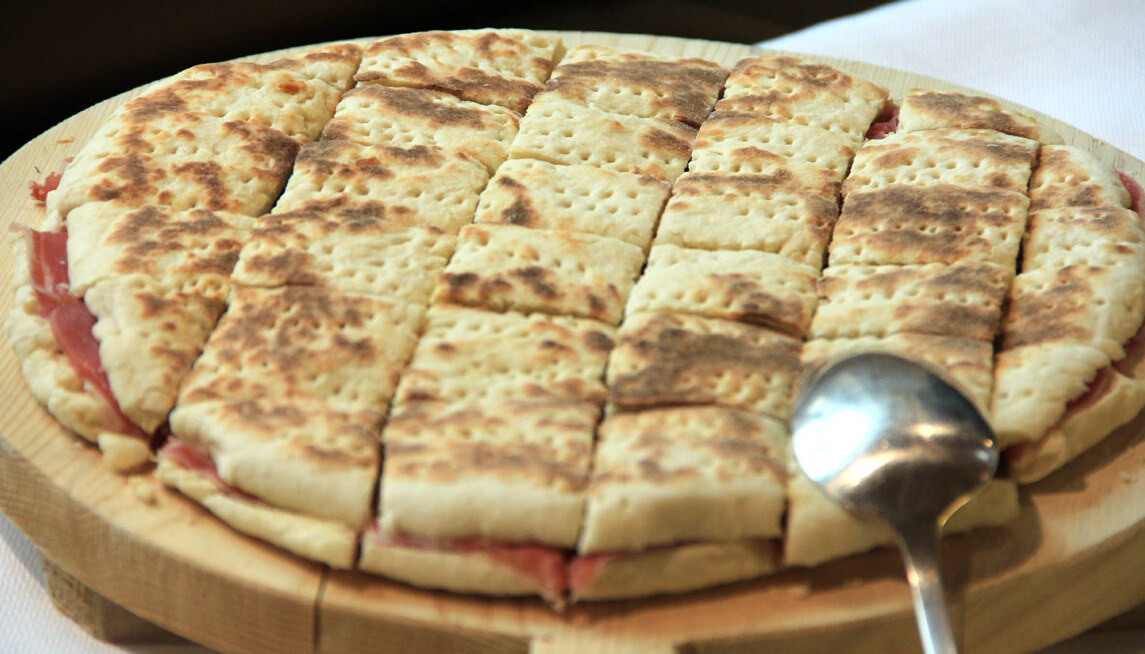

Nestled in the picturesque hills of Umbria, the Torta al Testo is more than just a regional delicacy; it is a culinary testament to centuries of Italian tradition. This ancient flatbread, with its roots embedded deeply in the rural heart of Italy, offers a delicious glimpse into the history and soul of the region. As you wander through the charming streets of Todi, a town that exudes old-world charm and timeless beauty, the scent of freshly baked Torta al Testo wafts through the air, inviting you to explore its rich past and vibrant present.
The origins of Torta al Testo trace back to ancient times, when Umbrian peasants relied on simple ingredients to create sustenance. This flatbread, traditionally cooked on a cast-iron plate known as the "testo," was a staple in the diets of local farmers and shepherds. Its simplicity is its strength—made from flour, water, salt, and a touch of yeast, it was the perfect bread to accompany the robust flavors of locally cured pork or freshly foraged herbs. Over the centuries, this humble dish evolved, but its essence remains unchanged, celebrated in homes and osterias across the region.
As you delve deeper into Todi, the town reveals its artistic and architectural treasures. Todi's medieval streets are a canvas of history, featuring Romanesque and Gothic influences that narrate the town's storied past. The Tempio di Santa Maria della Consolazione, a Renaissance masterpiece attributed to the designs of Donato Bramante, stands majestically on the town's outskirts. Its harmonious proportions and exquisite dome are a testament to the artistic prowess of the time. Within the town, the Piazza del Popolo serves as a cultural hub, framed by the striking Palazzo del Capitano and the Palazzo del Priore, each echoing the political and architectural dynamism of the medieval era.
In Todi, cultural traditions are as rich as the art that adorns its buildings. The town comes alive with festivals that celebrate its historical and spiritual heritage. One such event is the Todi Festival, a renowned cultural celebration held every summer, showcasing a vibrant array of theater, music, and dance. This festival draws artists and audiences from across Italy, turning the town into a bustling center of creativity and expression. Another cherished tradition is the Palio dei Terzieri, a medieval reenactment held in honor of Todi's patron saint, San Fortunato, where locals don period costumes and participate in archery contests and processions.
Gastronomy in Todi is a celebration of the land's bounty. Beyond the Torta al Testo, the region boasts an array of dishes that highlight local ingredients. Be sure to savor porchetta, a succulent, herb-infused roast pork that is a staple at local fairs and markets. Pair it with a glass of Sagrantino di Montefalco, a robust red wine native to the region, and you have a meal that captures the essence of Umbria's culinary tradition. For dessert, try tozzetti, crunchy almond biscotti best enjoyed with a sip of Vin Santo, a sweet dessert wine.
Despite its charm and historical significance, Todi holds secrets that elude the casual tourist. The town is home to the Convento di Montesanto, a serene Franciscan convent offering panoramic views of the Umbrian countryside. It is said that St. Francis himself once walked these grounds, and today, it remains a peaceful retreat for contemplation and reflection. Another hidden gem is the Crypt of San Fortunato, beneath the church bearing the saint's name, where beautifully preserved frescoes await those willing to venture below ground.
For visitors planning a trip to Todi, the best time to experience its magic is in the spring or fall, when the weather is mild and the landscape bursts with color. When exploring the town, wear comfortable shoes, as its cobbled streets and hilly terrain can be challenging. To truly appreciate the local culture, engage with the residents—Todini are known for their hospitality and are eager to share stories of their town's rich history.
In Todi, every corner tells a story, and every meal is a celebration of tradition. The Torta al Testo is more than just a dish; it is a symbol of the enduring spirit of Umbria, inviting all who taste it to become a part of its timeless narrative.


