
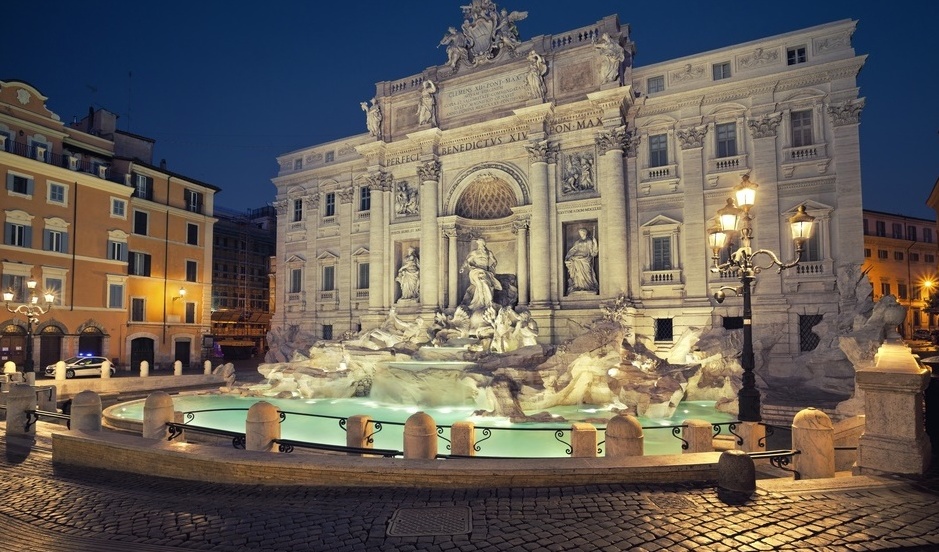

As you approach the Trevi Fountain, the sound of cascading water fills the air, accompanied by the gentle hum of excited tourists. This iconic landmark, standing at 86 feet high and 131.6 feet wide, is not only the largest Baroque fountain in Rome but also one of the most stunning creations in the world, symbolizing the city's rich history and artistic heritage.
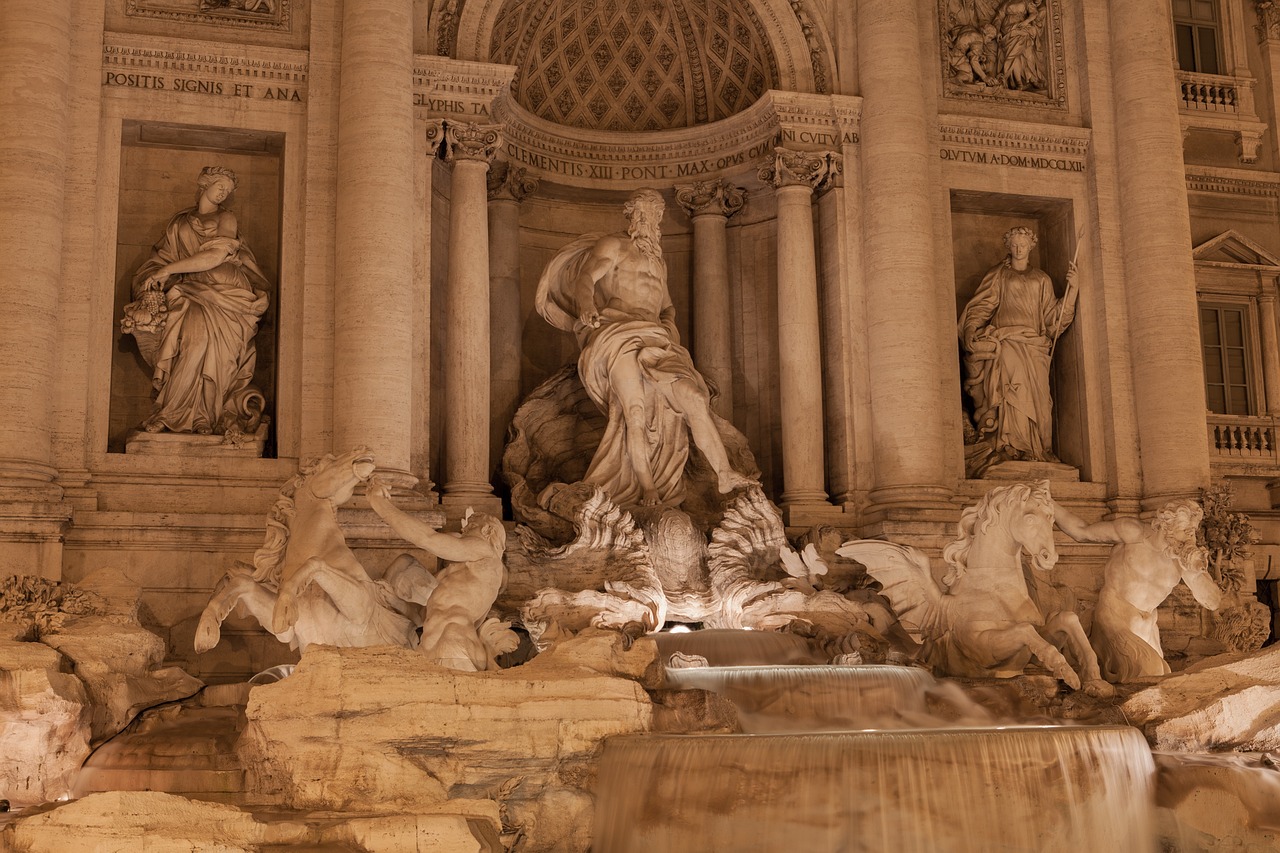
The origins of the Trevi Fountain can be traced back to 19 B.C., when it marked the terminus of the Aqua Virgo aqueduct, which supplied fresh water to ancient Rome. This aqueduct was commissioned by Marcus Agrippa, a close friend of Emperor Augustus, and it played a crucial role in Rome's urban development. The first fountain at this site was erected during the Renaissance, specifically under the direction of Pope Nicholas V in the 15th century. However, the majestic structure that we admire today was finalized in 1762 after decades of meticulous work by architect Nicola Salvi, and later completed by Giuseppe Pannini.
The name "Trevi" is derived from "Tre Vie," meaning "three ways," indicating that the fountain is located at the convergence of three streets. This strategic location has made it a gathering spot for centuries, where locals and travelers alike pause to admire its grandeur.

The artistic significance of the Trevi Fountain is immense. It showcases a Baroque style that epitomizes the dramatic flair of the era. The central figure, Oceanus, is depicted dramatically emerging from the water in a shell-shaped chariot, flanked by allegorical figures representing abundance and health. The intricate carvings and sculptures are a testament to the skill of the artists involved, making it a masterpiece of 18th-century art. Visitors are often spellbound by the detailed reliefs that narrate the history of water in Rome, a theme that resonates deeply with the city’s reliance on its aqueducts.
In addition to its architectural beauty, the Trevi Fountain holds a special place in the hearts of locals and tourists due to its connection to Italian culture and traditions. One of the most beloved customs associated with the fountain is the coin toss, popularized by the 1954 film "Three Coins in the Fountain." According to the legend, tossing a coin into the fountain ensures your return to Rome, while two coins promise love with an attractive Italian, and three coins lead to marriage with that person. To perform the toss correctly, one must throw the coin with their right hand over their left shoulder, a ritual that has become a rite of passage for visitors.
As you explore the surrounding area, make sure to indulge in some of Rome's gastronomy. The vicinity of the Trevi Fountain offers a plethora of culinary delights. Treat yourself to gelato from one of the nearby shops, where you can savor traditional flavors like pistachio or stracciatella. Pair your sweets with a savory slice of pizza al taglio, a Roman-style pizza sold by the slice, or enjoy a traditional cacio e pepe at a local trattoria, a simple yet flavorful dish made with cheese and black pepper.
While many visitors are captivated by the fountain's beauty and lore, there are also lesser-known curiosities that add depth to its story. For instance, did you know that the fountain has been featured in numerous films besides "Three Coins in the Fountain"? It appeared in the classic film "La Dolce Vita", where Anita Ekberg famously waded through the waters, further cementing its status as a symbol of romance and the dolce vita lifestyle. Additionally, the fountain has undergone several restorations, the most recent being in 2015, funded by the fashion house Fendi, which also included the installation of a new drainage system to preserve this precious landmark.
For those planning to visit the Trevi Fountain, timing can enhance your experience. The fountain is less crowded during the early morning hours, allowing for a more intimate visit. Evening visits are equally enchanting, as the fountain is beautifully illuminated, creating a magical atmosphere. Keep an eye out for the intricate details in the sculptures that may go unnoticed in the hustle and bustle of the day.
When you visit, make sure to bring some coins for tossing and perhaps a camera to capture the moment. And remember the importance of respecting the site; it’s essential to follow local regulations, especially regarding swimming or sitting on the fountain's edges.
Incorporating these elements into your visit will not only enrich your experience but also allow you to connect deeply with the heart of Rome. As you navigate the city's treasures, consider using the Secret World app to craft a personalized AI itinerary that will guide you through the wonders of Roma.


