
← Back

The Venus of Brassempouy

1 Pl. Charles de Gaulle, 78100 Saint-Germain-en-Laye, Francia ★★★★☆ 246 views
Rebecca Marini
Saint-Germain-en-Laye
🏆 AI Trip Planner 2026

Get the free app

Discover the best of Saint-Germain-en-Laye with Secret World — the AI trip planner with 1M+ destinations. Get personalized itineraries, hidden gems and local tips. Free on iOS & Android.

🧠 AI Itineraries 🎒 Trip Toolkit 🎮 KnowWhere Game 🎧 Audio Guides 📹 Videos
Scan to download iOS / Android
Scan for AppGallery Huawei users

About The Venus of Brassempouy

The Venus of Brassempouy - Saint-Germain-en-Laye | Secret World Trip Planner

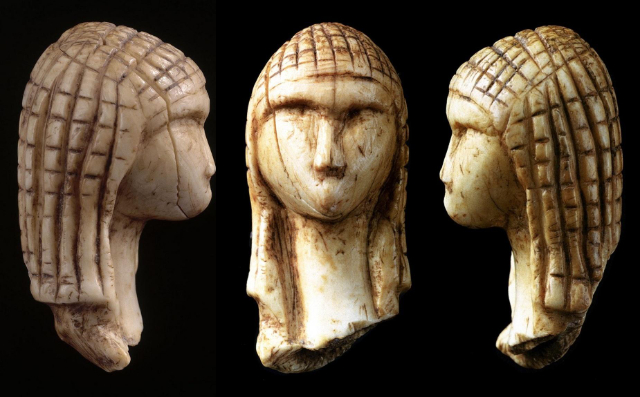
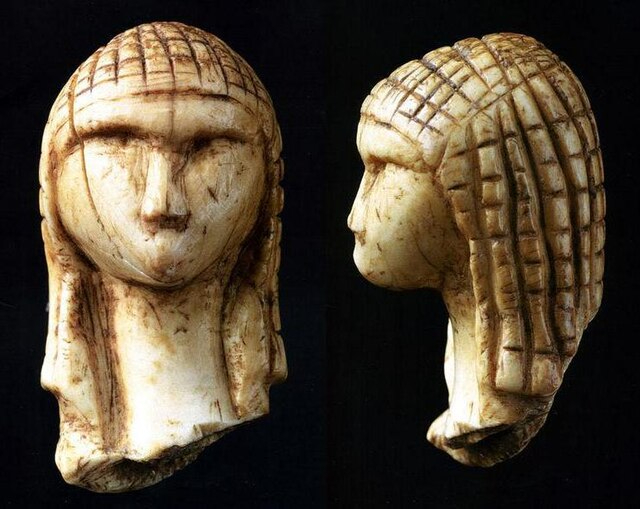
In Saint-Germain-en-Laye, France, is the famous Venus de Brassempouy, a prehistoric figurine that represents the oldest known realistic portrait of a human face.The Venus of Brassempouy is a small mammoth ivory sculpture dating to the Upper Paleolithic period, dated to about 25,000 years ago. The sculpture depicts a human face, specifically a female figure, and is notable for its extraordinary precision and detail in rendering anatomical features.The figurine features an oval-shaped face with elongated eyes, a pronounced nose, and thin lips. What makes the Brassempouy Venus so remarkable is its naturalness and ability to capture the individual features of the face, making it an extraordinary work of prehistoric art.The Brassempouy Venus is considered an important archaeological find, as it demonstrates the artistic skills and sensitivity of our ancient predecessors in creating realistic representations of the human figure. It is an extraordinary expression of prehistoric art and a valuable cultural treasure that offers a fascinating glimpse into the life and art of our distant ancestors.Currently, the Venus of Brassempouy is on display at the National History Museum in Saint-Germain-en-Laye, where visitors can admire its beauty and understand its historical and artistic significance. It is a unique opportunity to immerse oneself in prehistoric art and culture and to appreciate the mastery and innovation of our ancient ancestors in the art of sculpture.
The Venus of Brassempouy - Saint-Germain-en-Laye | Secret World Trip Planner
🗺 AI Trip Planner

Plan your visit to Saint-Germain-en-Laye

Suggested itinerary near The Venus of Brassempouy

MAJ+
500.000+ travelers worldwide
  1. 🌅
    Morning
    The Venus of Brassempouy
    📍 Saint-Germain-en-Laye
  2. ☀️
    Afternoon
    Discover the Étang de Chèvreloup: a Nature Spot in Versailles
    📍 9 km · Saint-Germain-en-Laye
  3. 🌆
    Evening
    Petit Théâtre de la Reine (The Queen's Theatre)
    📍 9.2 km · Saint-Germain-en-Laye

Buy Unique Travel Experiences

Powered by Viator

See more on Viator.com

Explore nearby · Saint-Germain-en-Laye

Frequently Asked Questions

The Venus of Brassempouy is permanently displayed at the National History Museum in Saint-Germain-en-Laye, located just outside Paris. This is the only place where you can view this extraordinary 25,000-year-old mammoth ivory sculpture in person.
The Venus of Brassempouy dates back approximately 25,000 years to the Upper Paleolithic period, making it the oldest known realistic portrait of a human face. It is an important archaeological find that demonstrates the remarkable artistic skills and sensitivity of our prehistoric ancestors in creating detailed human representations.
Unlike many prehistoric figurines, the Venus of Brassempouy is notable for its extraordinary precision and naturalism, featuring an oval-shaped face with carefully rendered anatomical details including elongated eyes, a pronounced nose, and thin lips. Its ability to capture individual facial features makes it a remarkable and unique example of prehistoric artistry.
The Venus of Brassempouy is a small sculpture carved from mammoth ivory, showcasing the craftsmanship of Upper Paleolithic artists. This precious material choice demonstrates the value and importance ancient peoples placed on creating this realistic portrait.
Yes, a visit to Saint-Germain-en-Laye to see the Venus of Brassempouy at the National History Museum is absolutely worthwhile for anyone interested in prehistoric art and archaeology. It offers a unique opportunity to immerse yourself in ancient human culture and witness the extraordinary mastery and innovation of our distant ancestors in sculpture.
