
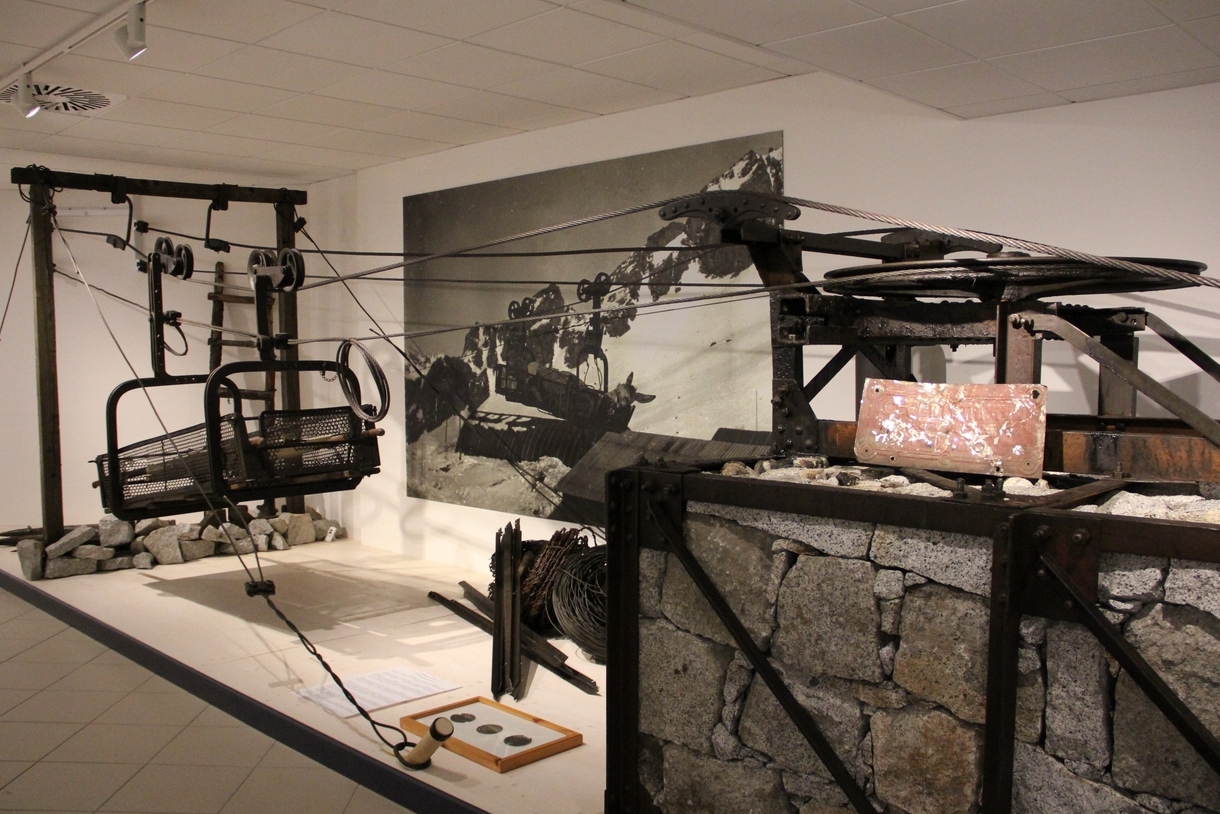

Nestled in the stunning Adamello - Presanella mountains, the White War Museums of Temù serve as poignant reminders of the sacrifices made during the First World War. This region, marked by its rugged peaks and harsh weather conditions, became a battleground between Italian and Austro-Hungarian forces from 1915 to 1918. Visitors to these museums are not merely observers; they are invited to step back in time, experiencing the echoes of a conflict that shaped the nation.

The origins of the White War Museums can be traced back to the communal effort in the late 20th century to preserve the memory of the soldiers who fought in the high-altitude terrain. Local historians and veterans worked to collect artifacts that would narrate the stories of bravery, hardship, and survival. The museums in Temù and Vermiglio are dedicated to this mission, housing an impressive array of war relics, from weapons and uniforms to more personal items like cooking utensils and letters.
The architecture of the Temù museum itself is reflective of the region's rugged beauty and historical significance. Designed to harmonize with its mountainous surroundings, the building offers a warm, inviting space for contemplation and education. Visitors can explore a carefully curated collection that includes cannons, ammunition, and military uniforms, alongside a remarkable selection of period photographs that vividly capture the daily lives of soldiers. One standout exhibit features a reconstructed soldier's hut, offering a glimpse into the challenging living conditions faced by troops in these unforgiving heights.

Local culture in Temù is deeply intertwined with its history. The community honors its past through various festivals and events that celebrate the resilience and spirit of those who served. The Festa della Montagna, held every summer, invites locals and tourists alike to partake in traditional music, dance, and local cuisine, all while paying homage to the mountain heritage that defines this region. Additionally, the Ossuary Monument at Passo del Tonale stands as a solemn tribute to the fallen soldiers, drawing visitors for both its historical significance and breathtaking views.
Speaking of local cuisine, the gastronomy of Temù is a delightful reflection of its mountainous landscape. Traditional dishes often feature hearty ingredients designed to sustain both locals and visitors during the colder months. Polenta, a staple food made from cornmeal, is often served alongside rich game stews or goulash, showcasing the flavors of the region. Additionally, don't miss the chance to taste pizzoccheri, a type of buckwheat pasta layered with potatoes, vegetables, and cheese—a warm, comforting dish perfect after a day of exploring.
Among the many fascinating aspects of the White War Museums, lesser-known curiosities abound. For instance, the soldiers stationed in the Adamello region were known to create makeshift art, using materials found in the mountains to express their emotions and experiences. Some artifacts on display include hand-carved figurines and letters adorned with intricate drawings, providing a personal touch to the historical narrative. Furthermore, the challenging conditions of the White War led to innovations in military strategy and technology, which are discussed in various exhibits, shedding light on the evolution of warfare in extreme environments.
For those planning a visit, the best time to explore Temù and its museums is during the late spring and early autumn months when the weather is mild, and the mountains are lush with greenery. Be sure to allocate ample time to wander through both museums, as each item tells a story deserving of attention. Consider taking a guided tour for deeper insights into the exhibits and the broader historical context of the White War.
Don’t forget to bring a camera; the panoramic views from the mountain passes are breathtaking and worthy of capturing. As you stroll through the exhibits and reflect on the sacrifices made by the soldiers who fought here, it becomes clear that the White War Museums are more than just collections of artifacts—they are gateways to understanding a vital piece of history.
To make the most of your visit to Temù, consider using the Secret World app to craft a personalized itinerary that allows you to explore this remarkable area in depth.


