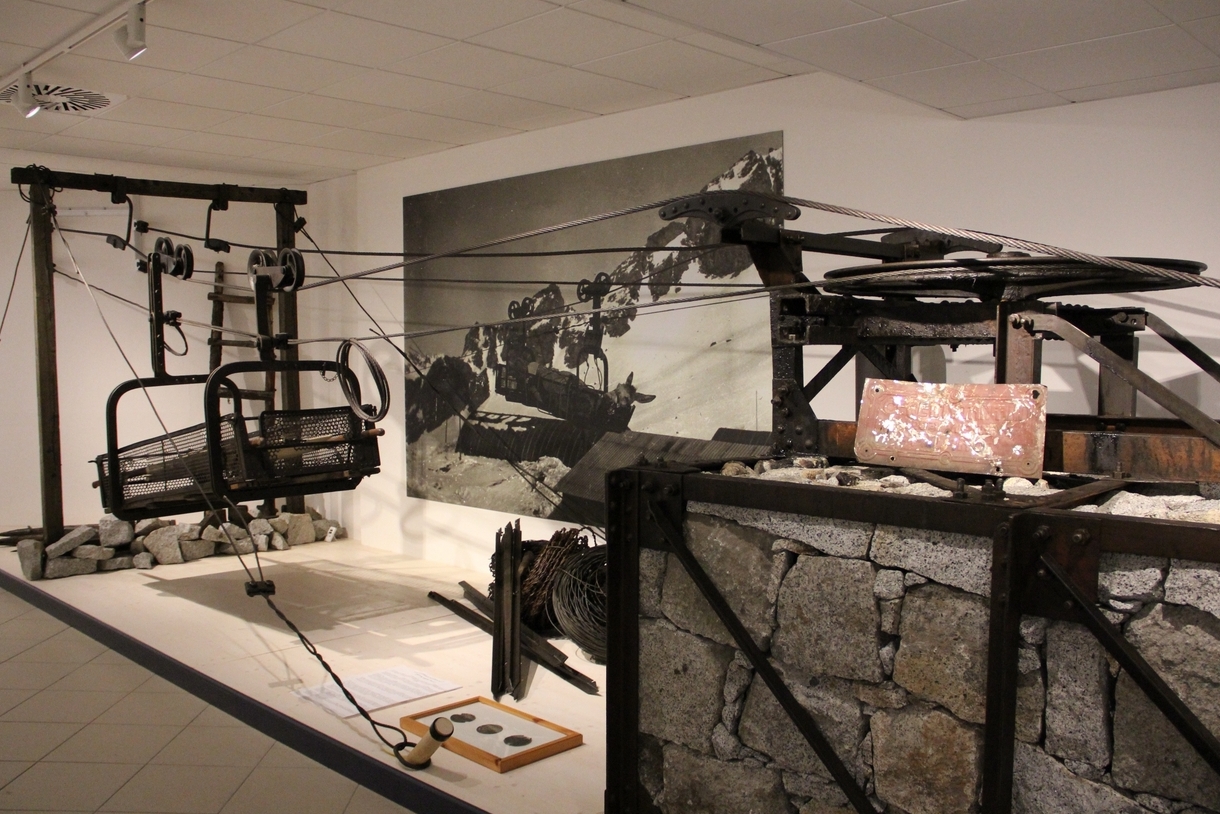

In the tranquil beauty of the upper Camonica Valley, the White War Museum in Temù stands as a poignant tribute to the sacrifices of soldiers during the First World War. Nestled at the coordinates 46.248622, 10.4696, this museum is not just a collection of artifacts; it is a heartfelt narrative woven from the threads of history and memory, dedicated to those who fought on the rugged Adamello - Presanella front between 1915 and 1918.
### History and Origins
The term "White War" encapsulates the unique experiences of soldiers stationed in the challenging Alpine terrain, where snow-covered mountains became both a battleground and a place of endurance. The museum was established through the efforts of passionate local individuals who sought to preserve the memories of these soldiers. Opened to the public in the early 2000s, the museum houses an impressive array of exhibits, showcasing the bravery and resilience of those who endured the harsh realities of war in this unforgiving landscape.
In addition to the artifacts on display, the museum offers a comprehensive insight into the broader context of the conflict, including the strategic significance of the Alps during the war and the impact of the mountainous terrain on military tactics. This historical narrative resonates throughout the exhibits, providing visitors with a deeper understanding of the sacrifices made by the soldiers who fought for their country.
### Art and Architecture
Architecturally, the White War Museum is a reflection of its Alpine surroundings. The building itself is designed to blend harmoniously with the natural landscape, utilizing local materials that echo the rustic charm of Temù. The interior is thoughtfully organized into thematic sections, with each room dedicated to different aspects of the war experience.
Among the notable artworks are photographs and paintings that capture the stark realities of war. These visual narratives complement the physical artifacts, such as weapons, flags, and personal belongings, creating a multi-sensory experience that immerses visitors in the past. The museum’s layout encourages exploration, allowing for an engaging interaction with history.
### Local Culture and Traditions
Temù is not only rich in military history but also in local culture and traditions. The surrounding community celebrates various festivals that highlight their heritage, such as the Festival of the Alpine Cheese, where local farmers showcase their artisanal cheeses made from the milk of cows grazing in the lush Alpine pastures. This event is a testament to the enduring connection between the land and its people, reflecting centuries of agricultural practices.
Additionally, the annual Historical Reenactment of the White War brings together locals and visitors alike to honor the memory of the soldiers who fought in the region. Participants don period costumes and demonstrate the daily life of soldiers, offering a unique glimpse into the past.
### Gastronomy
Gastronomically, Temù is a treasure trove of flavors that reflect its Alpine heritage. Visitors can savor local delicacies such as polenta, a staple dish made from cornmeal that has been a part of the region’s cuisine for generations. Often served with hearty stews or melted cheese, it embodies the warmth and comfort of traditional mountain cooking.
Another must-try is bresaola, a cured meat that is thinly sliced and typically served with arugula and parmesan. The purity of ingredients and the simplicity of these dishes speak to the local culinary philosophy, where quality and tradition take center stage.
### Lesser-Known Curiosities
While many visitors flock to the more well-known tourist sites in Italy, the White War Museum offers unique insights that often go unnoticed. One intriguing fact is that many of the artifacts displayed were sourced from the very mountains where battles took place, giving a tangible link to the past. Additionally, the museum's library-archive is a hidden gem for history enthusiasts, housing rare manuscripts and personal letters from soldiers, providing a deeply personal perspective on the war.
Another surprising detail is the museum's commitment to education, with a dedicated conference room that hosts lectures and discussions on military history, fostering a deeper appreciation for the sacrifices made during the war.
### Practical Visitor Information
The best time to visit the White War Museum is during the spring and early autumn months, when the weather is mild and the surrounding landscapes are particularly stunning. It is advisable to allocate at least two hours to fully explore the exhibits and engage with the knowledgeable guides who bring history to life through their stories.
When visiting, don’t miss the temporary exhibition room, which often features rotating displays that delve into specific themes related to the Great War. The museum also has a bookshop where visitors can find literature related to military history, making it a perfect stop for those looking to deepen their understanding of the subject.
To make the most of your trip to Temù, consider using the Secret World app to plan a personalized AI itinerary that caters to your interests.
