
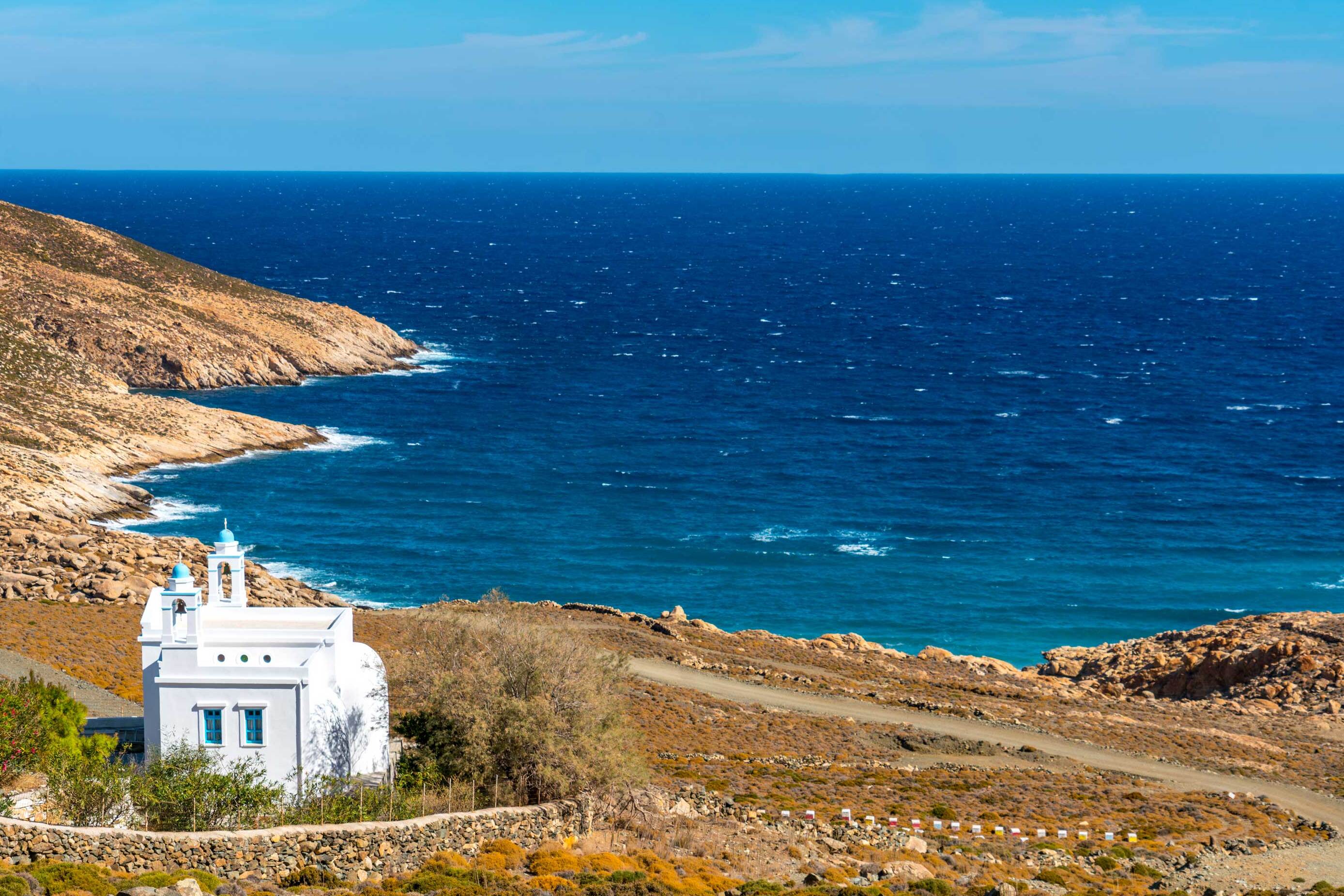

Tinos, often overshadowed by its more famous Cycladic neighbors, reveals itself as a treasure trove of history, art, and culture, beckoning travelers willing to explore beyond the ordinary. This island, with coordinates 37.5393136, 25.1598231, wraps visitors in a warm embrace of authenticity, making it a true muse of the Aegean.
History and Origins
The history of Tinos is deeply intertwined with its mythological roots. According to ancient texts, the island was dedicated to Poseidon, the god of the sea, and was known for its strategic location in the Aegean Sea. Throughout the centuries, Tinos has served as a crucial waypoint for maritime trade and religious pilgrimage. Most notably, in 1822, the island became a center of the Greek War of Independence, with locals actively participating in the struggle against Ottoman rule.
The island is also renowned for the miraculous apparition of the Virgin Mary at the Panaghia Evanghelistria church in 1823, which led to an influx of pilgrims from around the globe. This church, now a significant religious site, draws thousands of Orthodox Christians each year, marking Tinos as a sacred destination.
Art and Architecture
Tinos is a canvas painted with stunning architecture and artistic expression. The island's villages, like Triandaros and Pyrgos, boast traditional stone houses adorned with intricate marble details, a craft that has been passed down through generations. Notably, Pyrgos is home to the Marble Sculpture Museum, showcasing the works of local artisans who have mastered the art of marble carving.
The Panaghia Evanghelistria church itself is a masterpiece, featuring a striking façade and an impressive bell tower. It houses valuable religious artifacts and beautiful frescoes that illustrate the island's rich spiritual heritage. The Tinian Gallery adjacent to the church further celebrates local artists, offering a glimpse into contemporary artistic endeavors alongside traditional works.
Local Culture and Traditions
Tinos exudes a vibrant cultural identity, with numerous festivals celebrating its rich traditions. The most notable is the Feast of the Assumption of Mary on August 15, which draws thousands of pilgrims who participate in a week-long celebration filled with prayers, processions, and local music. The island’s community spirit is palpable, as locals welcome visitors with open arms, sharing stories and traditions that have defined Tinos for centuries.
Another cherished custom is the art of katsikaki (goat herding), where families continue to uphold their ancestral ways of farming. The island's culture is also reflected in its dialect, which contains unique phrases and expressions that reveal the islanders' close connection to their land and history.
Gastronomy
The culinary landscape of Tinos is a delightful exploration of local flavors and ingredients. Traditional dishes like revithada (chickpea stew) and kolokythopita (zucchini pie) are staples that showcase the island’s agricultural bounty. The island is also famous for its local cheeses, particularly graviera, a hard cheese that pairs beautifully with the island's local wines.
Tinian wine, produced from indigenous grape varieties, is a must-try, especially the Mavrotragano red wine, known for its rich taste. Don’t miss indulging in halva, a sweet treat made from tahini, often enjoyed during festivals and special occasions.
Lesser-known Curiosities
Among the many secrets Tinos holds are its unique cotes, structures built for housing pigeons that dot the landscape. These architectural wonders reflect the island's agricultural past and are a testament to the skill and creativity of local artisans.
Additionally, the island is home to several ancient sites, including the remains of the Temple of Poseidon, which many tourists overlook. Hidden away in the mountains, these ruins offer a quiet respite and a glimpse into Tinos's ancient worship practices.
Practical Visitor Information
The best time to visit Tinos is during the spring (April to June) and early autumn (September to October), when the weather is pleasantly warm and the island is less crowded. Ferries from Mykonos are frequent, making it an easy getaway for those wishing to escape the bustling tourist scene.
Travelers should take the time to explore the hidden gems of the island, such as the charming villages of Kardiani and Isternia, where the pace of life slows down and the beauty of Tinos truly shines. Renting a scooter or bike is an excellent way to discover the island’s secluded beaches and stunning landscapes.
For a personalized experience that unveils the best of Tinos, consider downloading the Secret World app to plan your itinerary, ensuring you don’t miss any of this island’s enchanting secrets.


