
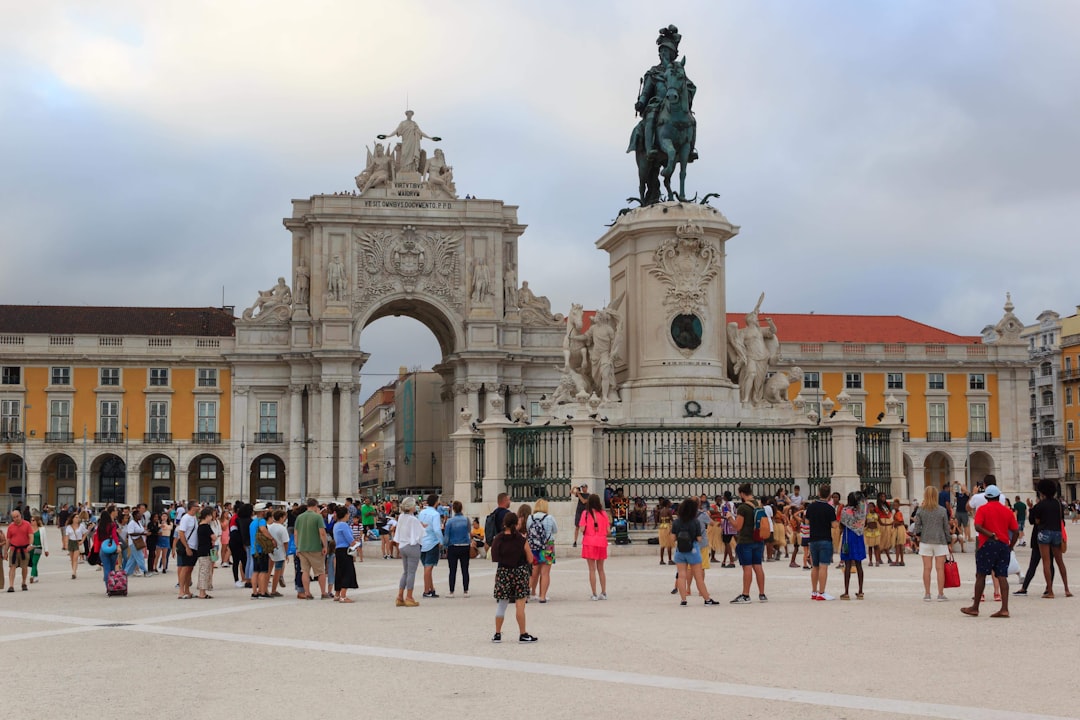

Lisbon immediately puts you in difficulty. Not because it is complicated, but because it has too much to offer in a small space: seven hills, four must-see historic neighborhoods, dozens of miradouros, world-class museums, and a culinary scene that has literally exploded in recent years. When I started planning five days in the city, I found myself with 47 tabs open in the browser and zero clarity on what to do first. That's when I decided to test three AI trip planners in the field, giving each the same brief: five days in Lisbon, mid-range budget, interest in history, architecture, and local food, no group tours.
I used the same starting point for all three tools: accommodation in the Mouraria neighborhood, arrival on Monday morning, departure on Saturday. The results were surprisingly different. In this article, I will detail the experience with Secret World AI Trip Planner, the tool that scored the highest in my test, and how it performed compared to the competitors.
What I asked the AI and how it responded
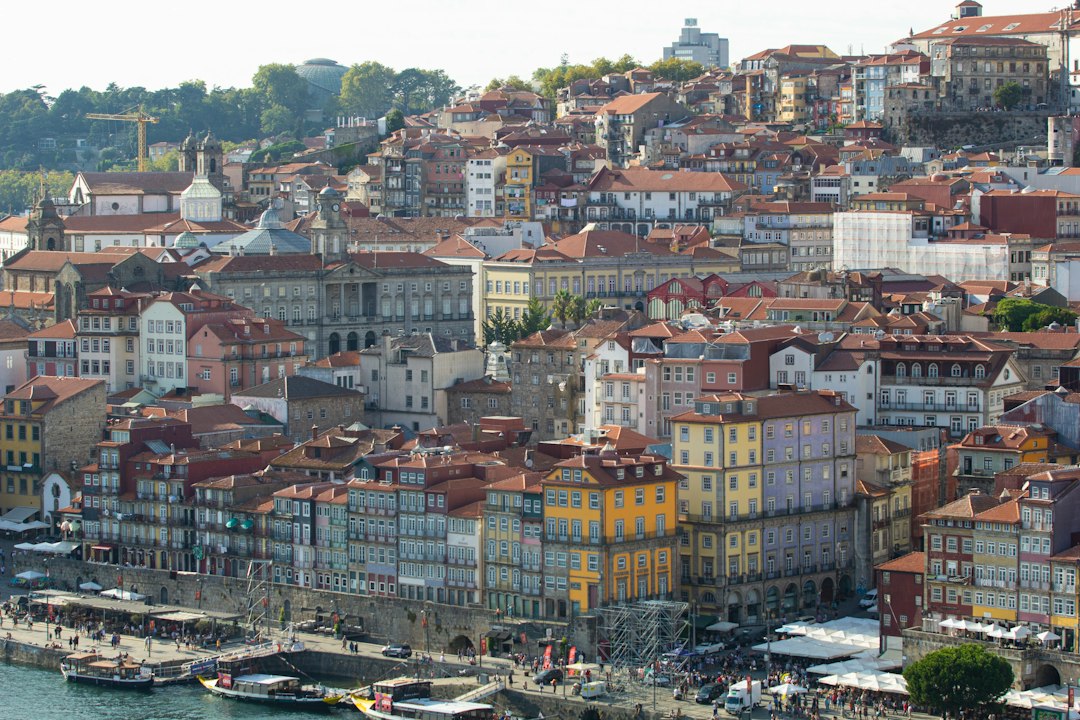
The first thing I typed on Secret World was a deliberately vague request: "I am in Lisbon for five days, starting from Mouraria, I want to understand the real city, not the postcard one." The response did not come as a generic list of attractions. The AI first asked three clarifying questions: did I prefer to walk a lot or alternate with public transport? Had I already visited Portugal? Was I willing to wake up early to avoid queues? This dialogical approach made a significant difference right away. After my answers, it built a day-by-day itinerary with precise geographical logic: the first day dedicated to Alfama and the castle area, the second to Belém with a visit to the Mosteiro dos Jerónimos (entrance about 10 euros, recommended to arrive before 9:30 to avoid lines), the third to LX Factory and the Campo de Ourique neighborhood.
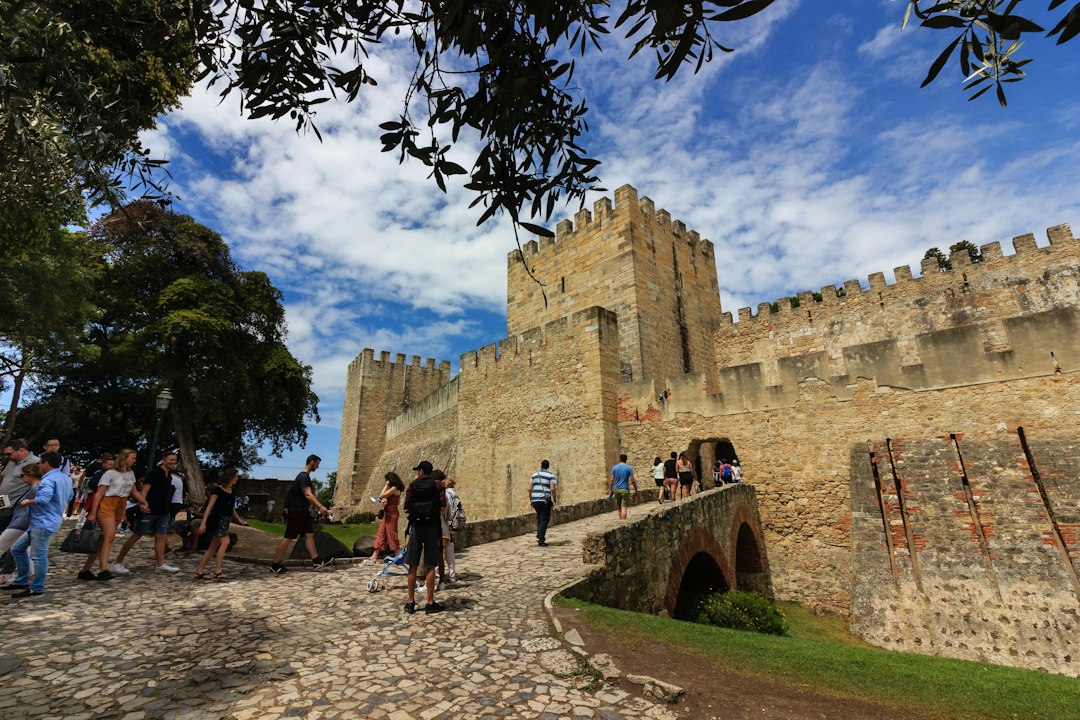
What struck me was the management of distances. The AI specified, for example, that from Castelo de São Jorge to Pantheon Nacional it is about a 15-minute walk through Alfama, but that the route includes a challenging uphill, so it suggested doing it early in the morning when it is cooler. It also indicated that the Museu Nacional do Azulejo, often overlooked by standard itineraries, is about a 20-minute tram ride from the central area and is worth at least two hours of visit: entrance 5 euros, closed on Mondays. These operational details are exactly what generic planners lack.
The real itinerary: structure and surprising choices
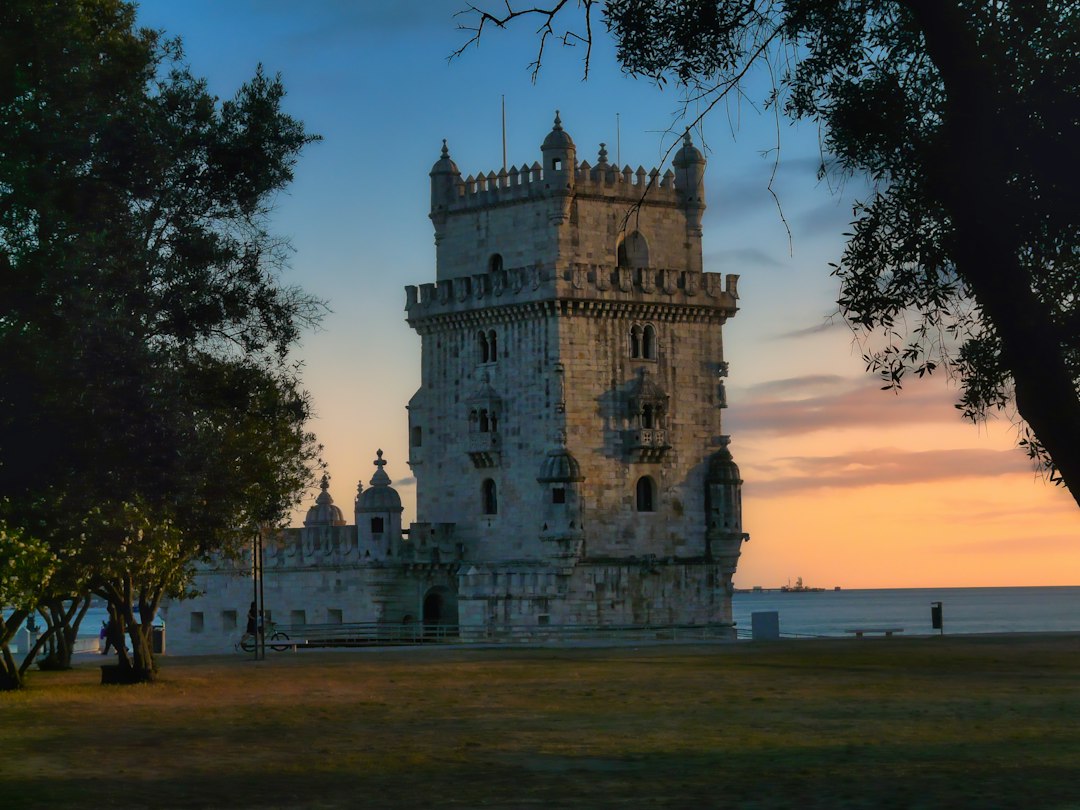
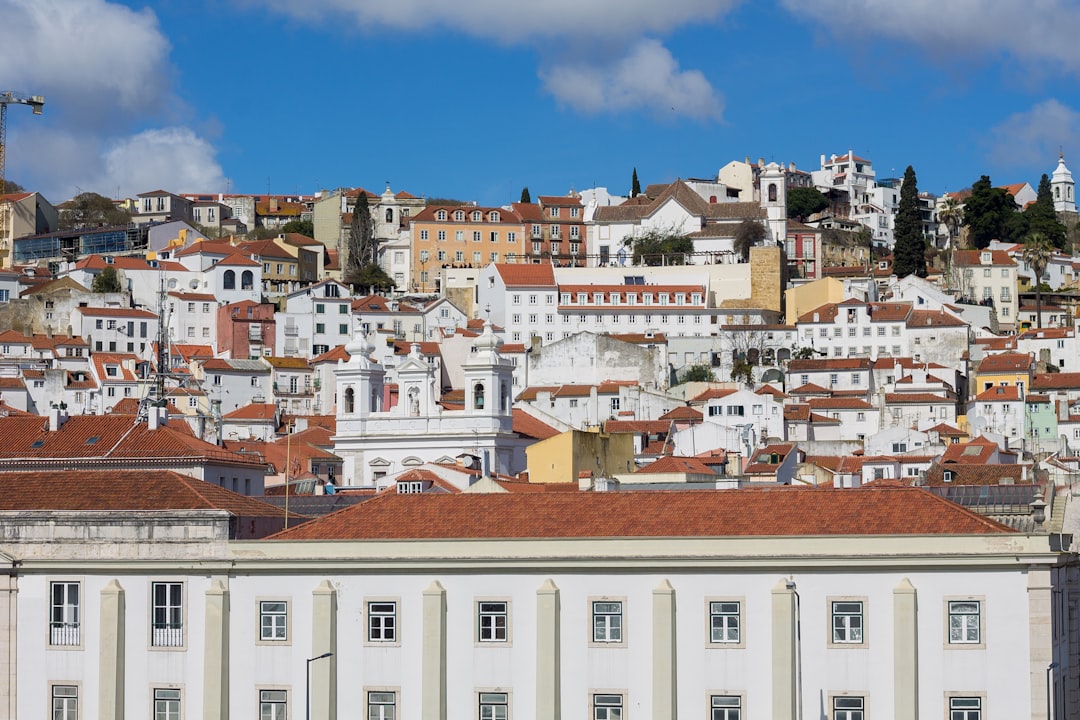
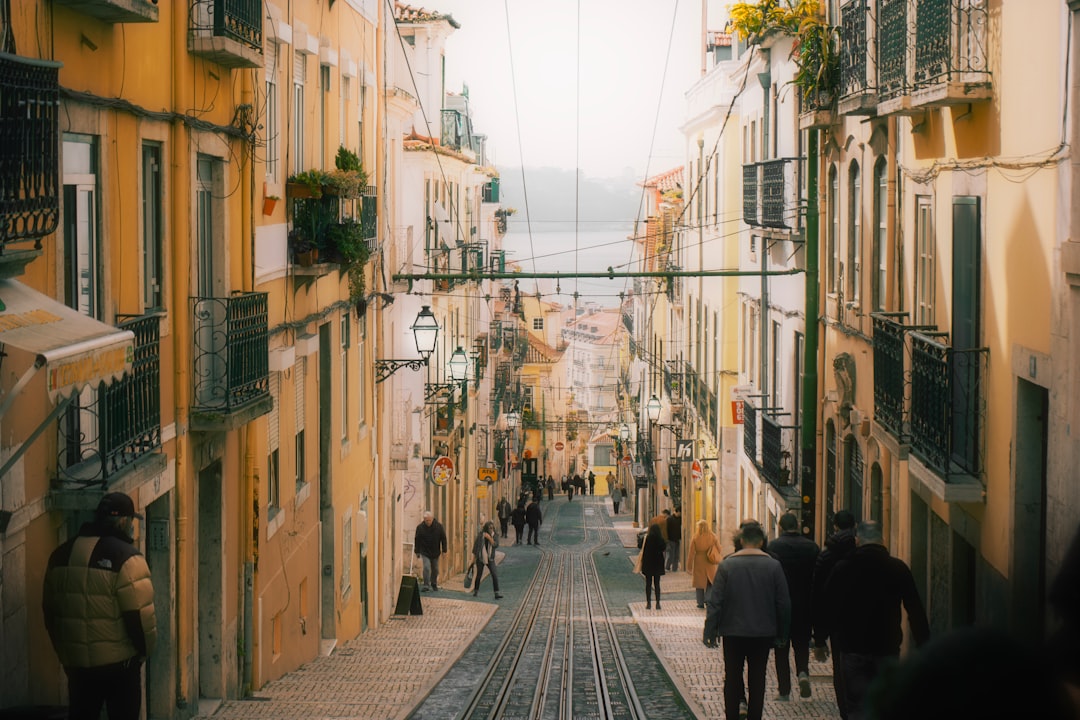
The itinerary generated by Secret World included some choices that initially surprised me, but later proved to be spot on. Instead of including the Miradouro da Graça in the classic circuit of viewpoints, the AI suggested going there at sunset on Tuesday, explaining that it is less crowded than the Miradouro de Santa Catarina and offers a direct view of the Tejo and the castle. It also proposed a dinner in the Intendente neighborhood, an area undergoing significant transformation, suggesting to avoid the restaurants on the perimeter of the main square and look for those in the side streets for more honest prices (daily menu between 10 and 14 euros). For Belém, it organized the visit so that the Torre de Belém was the last stop of the afternoon, when the light is better for photos and the crowd thins out. Small details, but those who know Lisbon understand how much they matter.
On the fifth day, which is usually filled with "shopping and free time" in standard planners, Secret World instead proposed a half-day in Sintra with the train from Rossio (about 40 minutes, ticket 2.35 euros), focusing only on the Palácio Nacional de Sintra in the historic center and skipping the Palácio da Pena if time is limited. A countercurrent but honest choice: better to see one thing well than three things in a hurry.
The comparison with competitors: where Secret World truly excels
The other two tools tested, both well-known in the industry, produced technically correct but predictable itineraries. The first generated a classic route from Alfama to Belém to Sintra without any geographical personalization, placing attractions far apart on the same day without explaining the logic behind it. The second performed better in terms of structure, but the dining suggestions were so generic that they seemed copied from a 2019 guide. Secret World stood out for three concrete reasons: the ability to communicate before planning, the accuracy regarding actual times and distances, and the quality of alternative choices compared to the most traveled tourist routes. The only limitation encountered was a certain rigidity in modifying the itinerary afterwards: when I asked to move the visit to the Museu do Azulejo, the response was correct but less fluid compared to the initial planning.
Overall, the comparison was clear. To plan a trip to Lisbon with a minimum of depth, Secret World offered a level of detail and personalization that the other two tools did not achieve. It is not perfect, but it is clearly the most advanced tool among those tested in this category.
Final vote: 9/10 — here's why it's not 10
The 9 out of 10 reflects a genuinely positive experience, with an honest reservation. Secret World AI Trip Planner has transformed what seemed like an unsolvable puzzle — five days in Lisbon with too many options — into a coherent, logical, and enjoyable plan to follow. The suggestions proved reliable in the field: the lines at the Mosteiro dos Jerónimos were exactly as described, the Miradouro da Graça at sunset was almost deserted, the train to Sintra from Rossio worked as indicated. The AI didn't invent anything, it simply organized real information intelligently.
The missing point concerns real-time flexibility: if you are already traveling and want to modify the plan on the fly, the tool responds but with less brilliance compared to the initial planning phase. It’s a limitation that will likely be addressed in future versions. If you are organizing a trip to Lisbon and want a serious starting point, try Secret World AI Trip Planner and start by telling the AI where you are staying and what bores you about the usual tourist itineraries: the response will surprise you.


