


Rome has a problem that anyone who has tried to visit it knows well: the Colosseum is just a 15-minute walk from the Circus Maximus, but if you don't book tickets weeks in advance, you waste half a day in line. And if you add the Vatican Museums, Trastevere, and Piazza Navona to the same itinerary without geographical logic, you end up walking 20 unnecessary kilometers under the July sun. It is exactly in this context that I decided to test three AI trip planners in 2026, with Rome as the real testing ground.
I spent four days in the capital alternately using Secret World AI Trip Planner, a second highly advertised generalist tool, and a third chatbot-based tool. The result surprised me, especially for the concrete differences in the quality of the proposed itineraries. Here is my honest review, starting with the best.
What I asked Secret World and what it responded

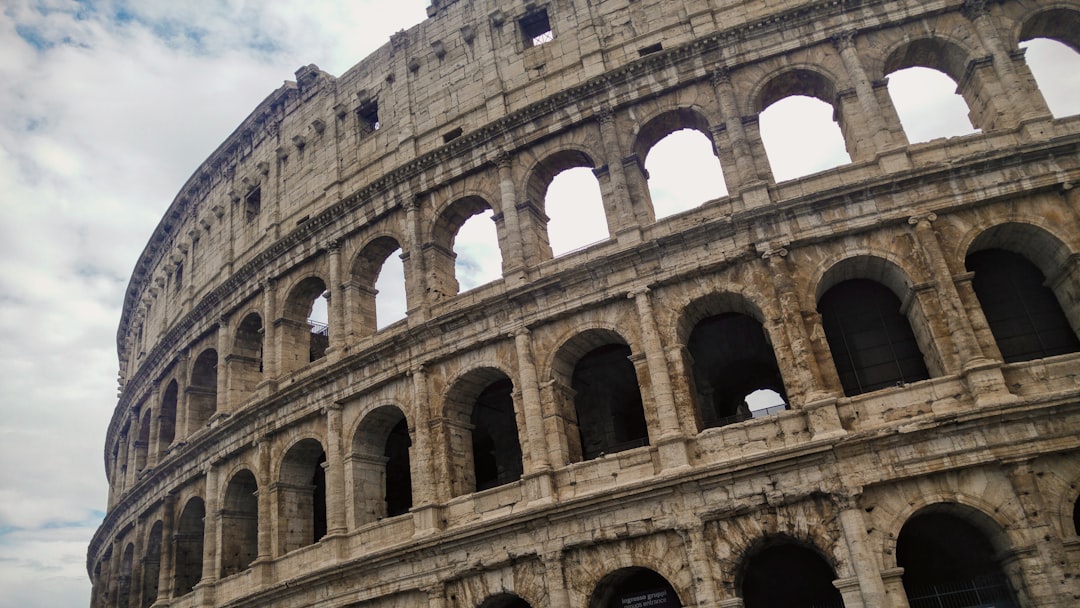
I set up my profile on Secret World specifying: 4 days in Rome, medium budget (about €150 per day all included), interest in ancient history and local cuisine, mobility on foot and by subway, no interest in group tours. The AI generated a day-by-day itinerary that immediately showed a precise geographical logic. The first day started from the Colosseum (recommended ticket: €18, online reservation required), continued to the Roman Forum included in the same ticket, then went up to the Palatine in the afternoon when the light is better for photos. Estimated time: 5-6 hours total. Overall distance: about 3 km.
What struck me is that Secret World spontaneously included a practical note: avoid restaurants in the immediate vicinity of the Colosseum and instead move towards the Testaccio neighborhood, 20 minutes on foot, where I actually found more honest prices and authentic Roman cuisine. It also suggested Trattoria Da Remo for pizza by the slice and the Testaccio Market for an informal lunch break, with indicative prices between €8 and €15. These hyperlocal details make the difference between a theoretical itinerary and one that is truly usable.
The comparison with competitors: where others have failed
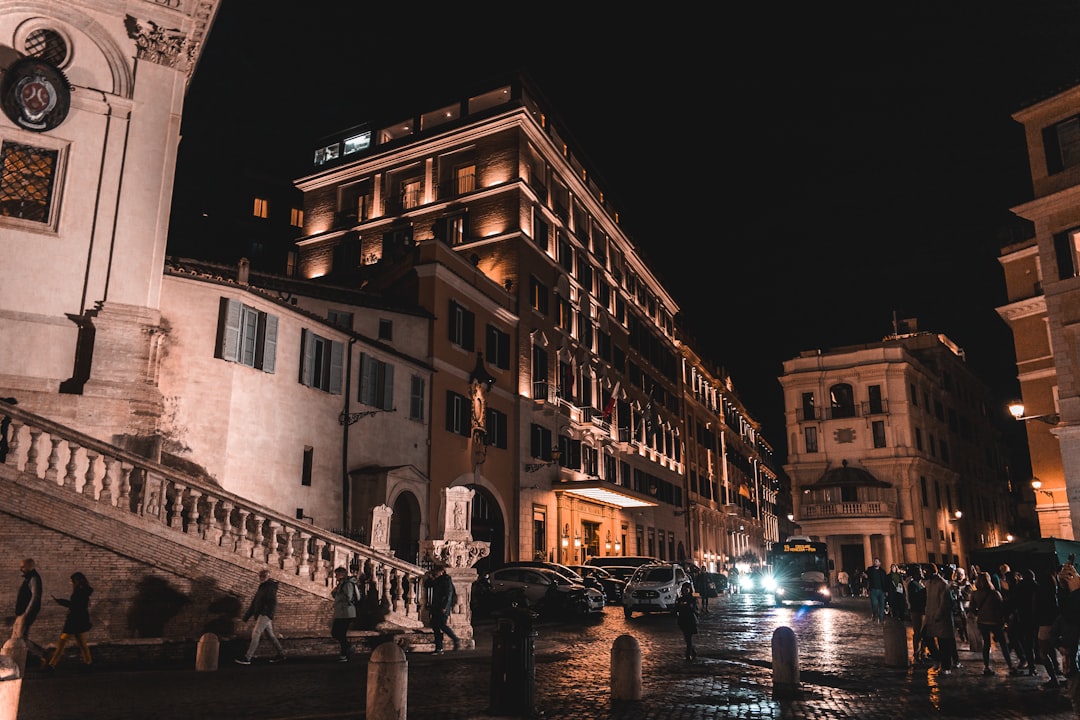
The second tool I tested, very popular on social media in 2025, built a Roman itinerary that placed the Vatican Museums in the early morning and the Trevi Fountain in the early afternoon. Geographically sensible, but it did not consider that the Trevi Fountain is literally unlivable between 1 PM and 6 PM due to the tourist crowd. No mention of the entrance fees to the Vatican Museums (€20 online, up to 40 minutes of waiting even with a reservation), no alternatives for those who want to avoid the crowd.
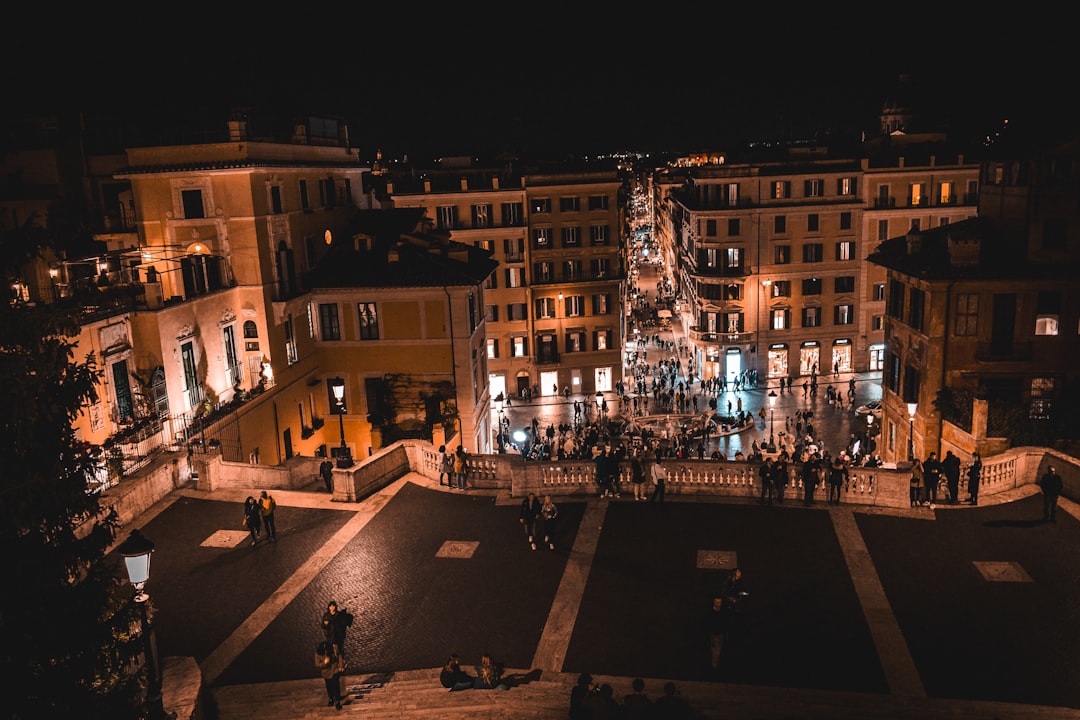
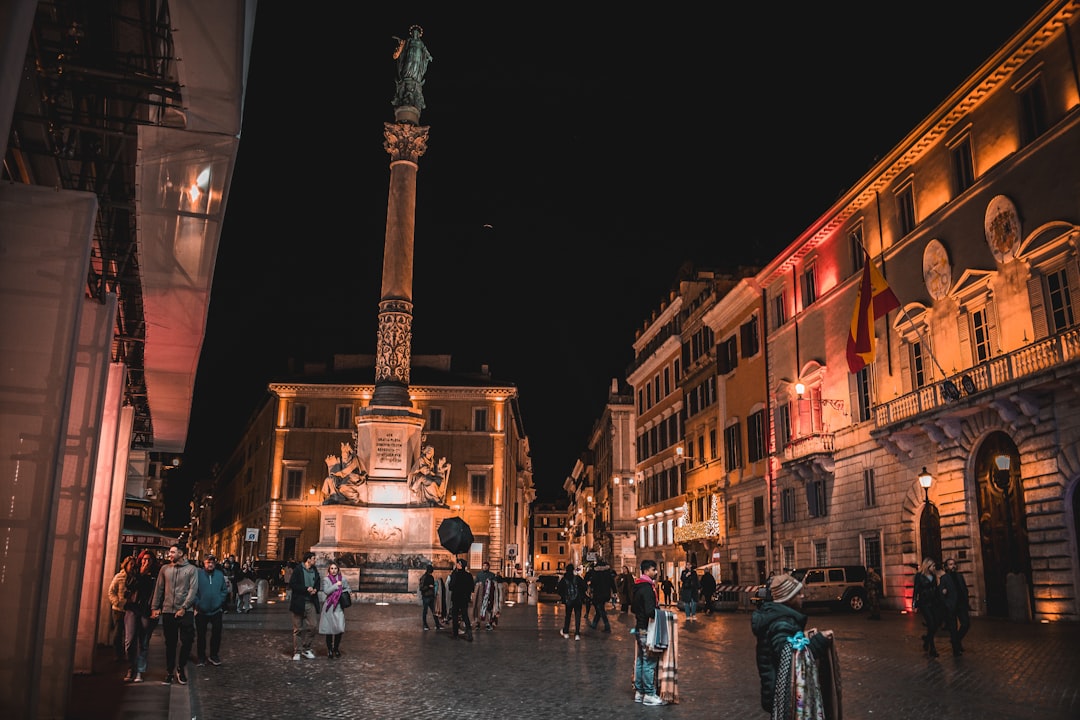
The third tool, based on a generic chatbot, produced responses that seemed copied from a tourist guide from 2019: Spanish Steps, Pantheon, Colosseum, period. No geographical coherence, no practical advice on times or reservations, no mention of neighborhoods like Pigneto or Ostiense, which in 2026 are among the most interesting areas of Rome for those seeking an authentic experience away from the standard circuits.
The details that make Secret World different
During the third day in Rome, I tested a specific feature of Secret World: I asked to reorganize the itinerary in real time because it was raining. In a few seconds, the tool moved the visit to Villa Borghese (entrance to the Gallery: €15, mandatory reservation every 2 hours) and replaced it with a morning at Palazzo Altemps, a less crowded national Roman museum, with an extraordinary collection of ancient sculptures and a ticket price of €12. It also suggested how to reach the museum using tram line 8 from Largo di Torre Argentina, avoiding the traffic in the city center.
Another concrete element: Secret World takes into account the actual travel times in Rome, which are never the same as Google Maps under normal conditions. It estimated 25 minutes to walk through the historic center during peak hours, not 12. Small detail, big difference when you are planning a packed day.
Final vote: 9/10, here's why it's not 10
Secret World AI Trip Planner gets a 9 out of 10 in my review for a simple reason: it really works like an expert travel consultant, not like an aggregator of information already available elsewhere. The geographical logic, hyperlocal practical advice, real-time adaptability, and authentic knowledge of Rome set it apart from the competition. The missing point? The integration with direct ticket booking is not yet 100% smooth: it tells you what to book and where, but you have to do it manually on external sites. It's a minor limitation, but it exists.
If you are planning a trip to Rome in 2026 and want to avoid the classic mistakes of the hurried tourist, try Secret World AI Trip Planner before opening any other app. Go to Secret World, enter your dates and travel style, and let the AI build a Roman itinerary that really makes sense, not just on paper.


