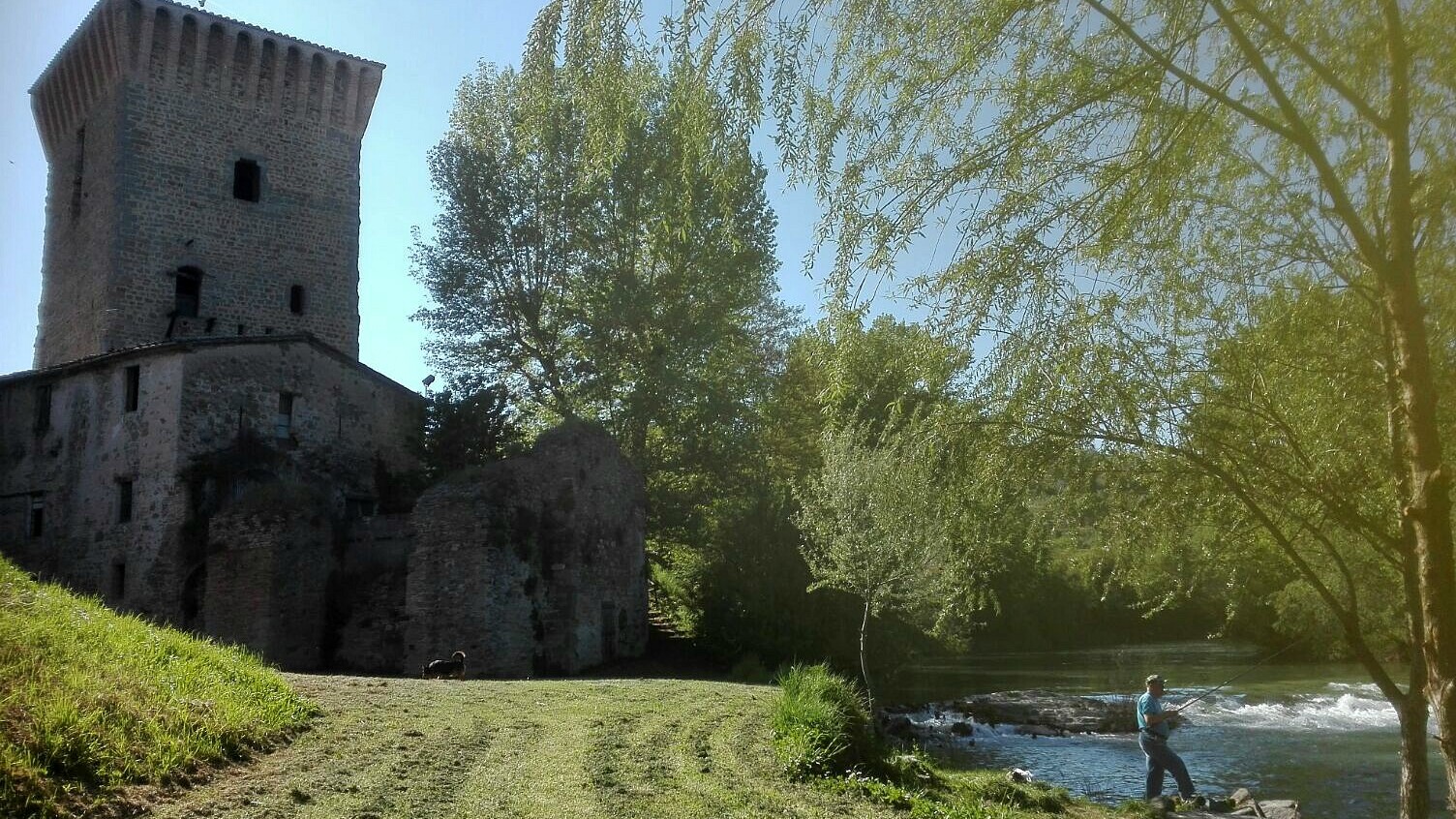

Nestled in the heart of Umbria, the River and Tower Ecomuseum offers a unique glimpse into the region's rich cultural and natural heritage. Founded in 2004 by a passionate association, this ecomuseum is more than just a collection of exhibits; it is a living, breathing homage to the history and beauty of the territory traversed by the majestic Tiber River. Spanning the municipalities of Perugia and Umbertide, it encapsulates the essence of the local landscape, while the charming village of Pretola serves as its pivotal center, housing a documentation center dedicated to the study and promotion of the region's cultural narratives and ecological significance.
### History and Origins The history of the River and Tower Ecomuseum is intrinsically tied to the ancient civilizations that flourished along the banks of the Tiber River. Stretching back to the Etruscan era, this area has been a crossroads for trade and culture for millennia. The establishment of the ecomuseum in 2004 was a pivotal moment aimed at preserving and celebrating this rich heritage. The founding association sought to unify local communities and promote a sustainable approach to heritage and environment, ensuring that the stories and traditions of the past continue to resonate in the present. Key historical events, such as the battles for control over the valley during the Middle Ages, have shaped the identity of this landscape, making it a treasure trove of history waiting to be explored.
### Art and Architecture The ecomuseum is not confined to traditional museum walls; instead, it encompasses a broader architectural landscape. The structures throughout the region reflect a blend of Gothic, Romanesque, and Renaissance styles, indicative of the area's rich architectural tapestry. Notable sites include the Torre di Pretola, a historic tower that stands as a sentinel over the river, showcasing the defensive architecture of past centuries. Visitors can also admire the frescoes and artworks found within the village churches, which depict significant religious and historical narratives, embodying the artistic spirit of Umbria.
### Local Culture and Traditions The culture of the River and Tower Ecomuseum is vibrant and steeped in tradition. One of the most notable local customs is the Festa di San Giovanni, celebrated each June in Pretola, where the community comes together to honor the patron saint with processions, music, and traditional food. The ecomuseum also promotes various workshops and events year-round, showcasing local crafts, including pottery and weaving, which have been passed down through generations. The intertwined lives of the river and the people are celebrated in storytelling sessions that recount the legends of the Tiber, making for an immersive cultural experience.
### Gastronomy When it comes to gastronomy, Umbria does not disappoint. The region is famed for its truffles, particularly the black truffle, which can be savored in many local dishes. A visit to the ecomuseum would be incomplete without tasting Strangozzi, a rustic pasta dish typically served with a rich mushroom or truffle sauce. Pair your meal with a glass of Sagrantino di Montefalco, a robust red wine that encapsulates the essence of the local terroir. The ecomuseum also promotes local olive oil, known for its exceptional quality, which is a staple in Umbrian kitchens.
### Lesser-known Curiosities Among the intriguing facts about the ecomuseum, visitors often overlook the ancient hermitages scattered along the riverbanks, such as the Eremo di San Pietro in Valle, which dates back to the 8th century. These serene retreats were once home to monks who sought solitude and contemplation amidst nature. Additionally, the Tiber River itself is a vital ecological corridor, supporting diverse wildlife, including various bird species that can be observed by keen birdwatchers. Few tourists are aware that the river was once a crucial route for Roman trade, and remnants of ancient bridges can still be found along its banks, whispering tales of the past.
### Practical Visitor Information The best time to visit the River and Tower Ecomuseum is during the spring and fall when the weather is mild, making it perfect for leisurely exploration. Make sure to wear comfortable shoes as you stroll through the picturesque landscapes and village streets. Don’t miss the documentation center in Pretola, where you can gain deeper insights into the region's heritage. It is recommended to check the local calendar for events and festivals that could enhance your visit, providing opportunities to engage with the community and its traditions.
The River and Tower Ecomuseum is a unique blend of history, culture, and natural beauty that invites exploration and appreciation. Whether you are an avid history buff, an art enthusiast, or simply someone looking to indulge in local cuisine, this ecomuseum promises an enriching experience. To make the most of your visit to Perugia, consider using the Secret World app to plan a personalized AI itinerary tailored to your interests.
