
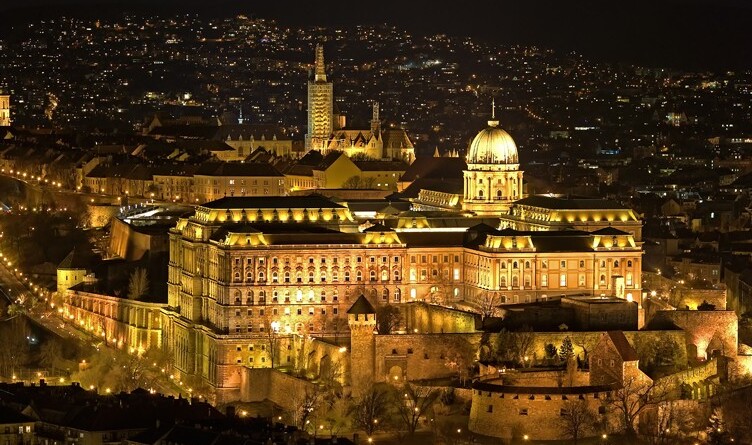

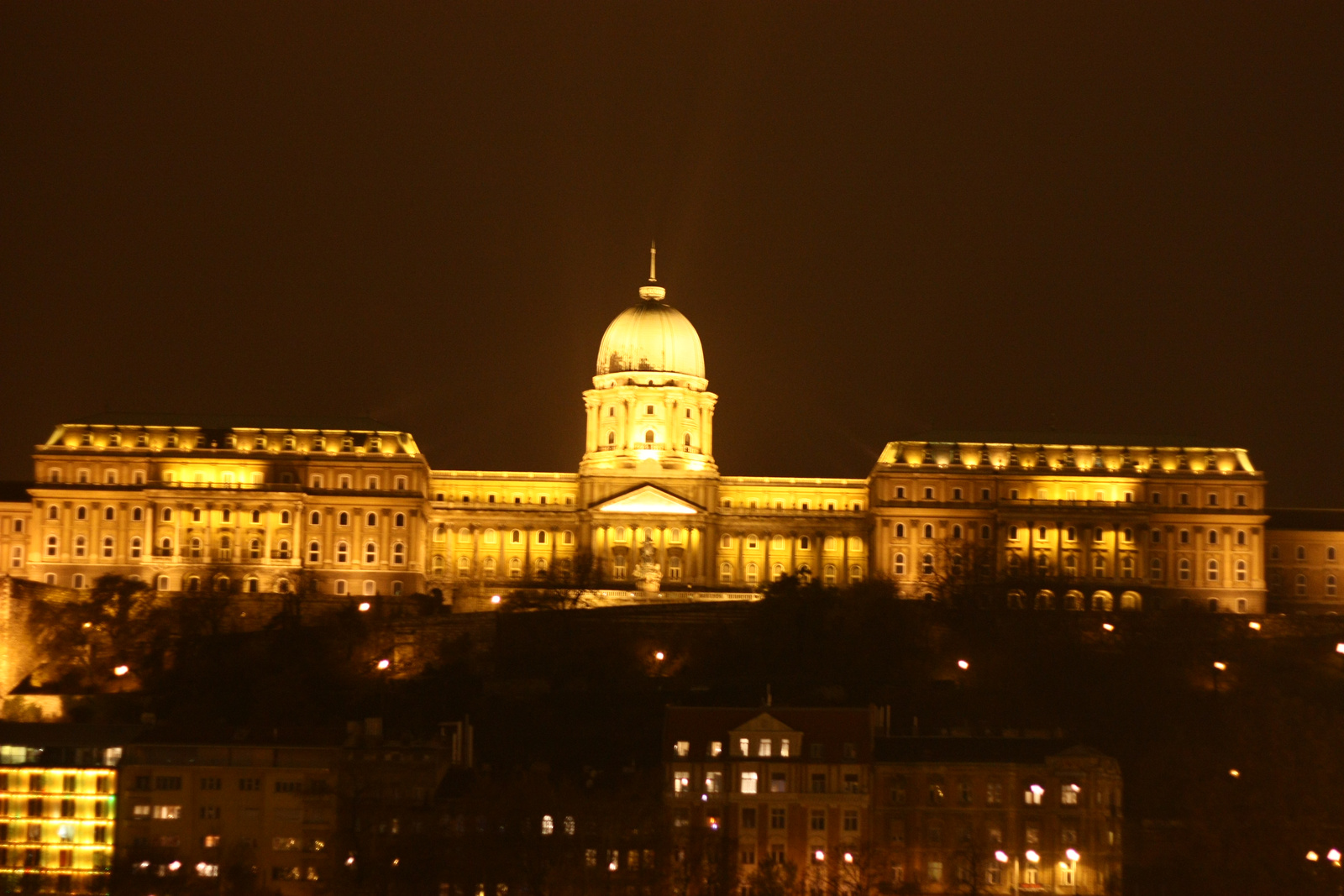
Perched majestically atop Castle Hill, Buda Castle is not merely an architectural marvel; it embodies the rich history and culture of Budapest. As a UNESCO World Heritage Site, this castle complex has witnessed the ebb and flow of empires, reflecting the fortunes of Hungary throughout the centuries. The origins of Buda Castle date back to the 13th century, established in response to the devastation wrought by the Mongol invasion. Initially a medieval fortress, it was gradually transformed, particularly in the 14th century, when it adopted elements of the Roman style. The Gothic-style palace that followed was a testament to the burgeoning might of the Kingdom of Hungary. Key events, such as the Siege of Buda in 1541 and the Austro-Hungarian Compromise of 1867, have etched their narratives into the castle's stones. Today, the castle complex showcases an eclectic array of architectural styles, from Baroque to Baroque Revival, culminating in a masterpiece that stands as a lookout over the Danube River and Pest.
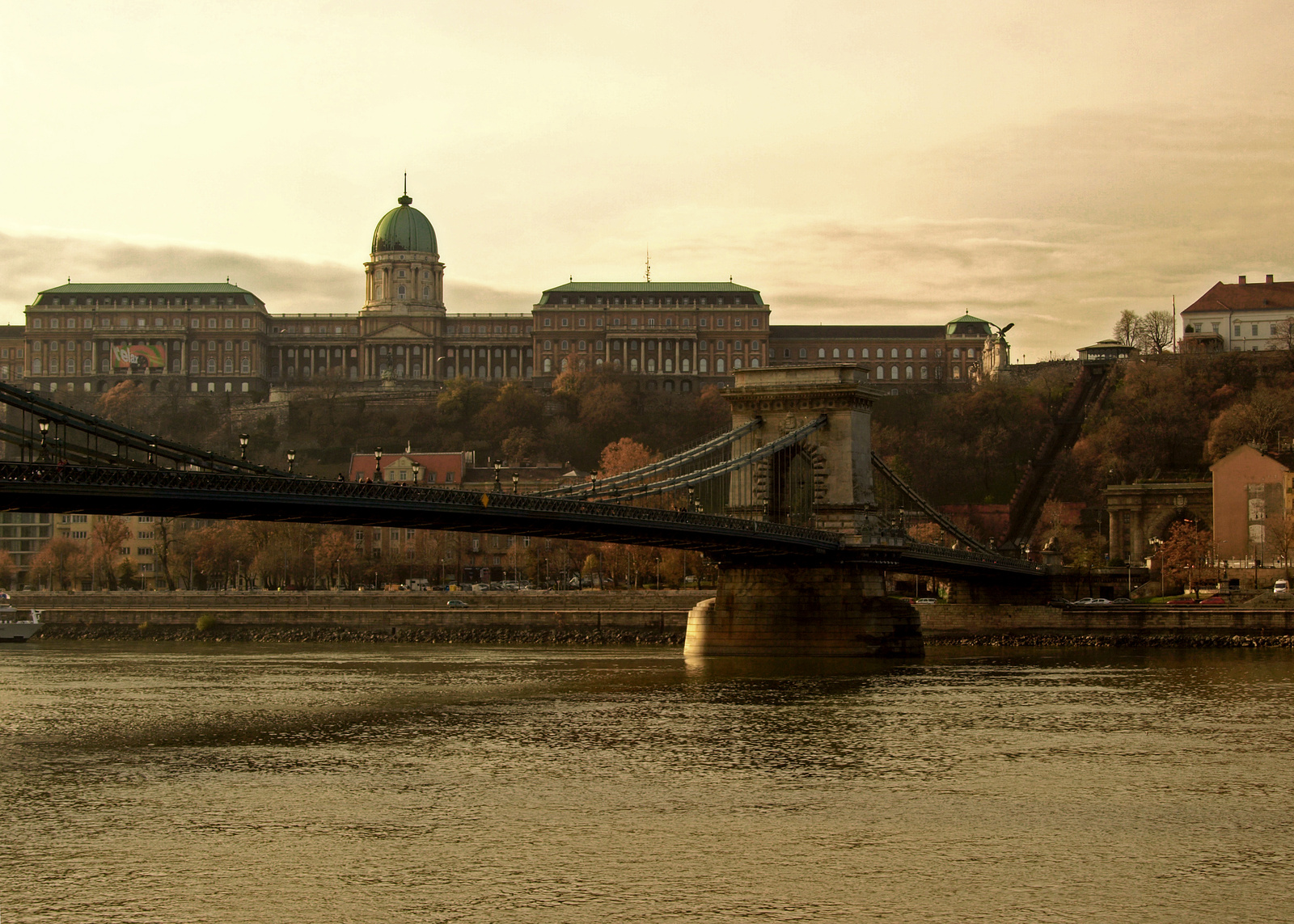
Inside the castle, visitors are treated to the Hungarian National Gallery, home to a treasure trove of Hungarian art that spans centuries. Here, one can find works by renowned local artists, including Mihály Munkácsy, whose poignant portraits capture the essence of Hungarian life. The gallery not only preserves these artistic treasures but also plays a vital role in promoting the country’s cultural heritage. The Castle District, where the castle is located, is steeped in history and adorned with cobblestone streets, charming cafes, and breathtaking views that invite a leisurely exploration.
Cultural traditions thrive in this historic enclave. The Budapest Spring Festival, held annually in April, often features performances and events in and around the castle, celebrating the city’s vibrant arts scene. Additionally, the Fête de la Musique, celebrated every June, transforms the castle grounds into a lively stage for local musicians, showcasing the talents of Hungarian artists. These festivals are not only a celebration of art but an invitation to experience the warmth and creativity of Hungarian culture.
No visit to Buda Castle would be complete without indulging in local gastronomy. The nearby Fisherman’s Bastion is home to quaint eateries that serve traditional Hungarian dishes such as gulyás (goulash) and lángos (deep-fried flatbread). Pair your meal with a glass of Tokaji wine, a celebrated dessert wine that perfectly complements the rich flavors of Hungarian cuisine. The Castle District also hosts numerous cafes where you can savor a slice of dobos torte, a layered sponge cake that has become a beloved symbol of Hungarian confectionery.
For those seeking lesser-known curiosities, the castle’s hidden corners offer delightful surprises. Look out for the Labyrinth of Buda Castle, an underground network of caves and tunnels that once served as a refuge during sieges. Legend has it that Vlad the Impaler, the inspiration for Dracula, was imprisoned here. Another intriguing detail is the Golden Crown of Hungary displayed within the castle, a symbol of the nation’s sovereignty and a key element in the coronation of Hungarian kings.
When planning your visit, the best time to explore Buda Castle is during the spring (April to June) or early autumn (September to October) when the weather is mild, and the gardens are in full bloom. Aim to arrive early in the morning or late in the afternoon to avoid the crowds and enjoy stunning views of the Danube at sunset. Don’t forget to bring your camera, as the panoramic vistas from the castle grounds are simply breathtaking.
In conclusion, Buda Castle is not only an architectural marvel but a living testament to the rich tapestry of Hungarian history and culture. Whether you’re wandering through its halls, admiring the art, or savoring local delicacies, the castle offers an unforgettable glimpse into the heart of Budapest. For a personalized itinerary to enhance your visit, consider using the Secret World app to navigate this enchanting city.


