


Nestled within the labyrinthine canals of Venice, the artistic legacy of Giovanni Antonio da Pordenone shines brightly, particularly in the sacred space of the Scuola Grande di San Giovanni Evangelista. This iconic structure, renowned for its baroque architecture, has been a pivotal site for both spirituality and artistry since its inception in the 14th century.

The roots of the Scuola can be traced back to the late medieval period, when it was established as a confraternity dedicated to charitable works and the veneration of Saint John the Evangelist. Its grand façade and opulent interiors reflect the wealth and influence of Venetian society. In 1528, the Scuola entrusted Pordenone, a celebrated painter from Pordenone, to adorn the dome with a vibrant cycle of frescoes. He completed this ambitious project in just a few months, showcasing his remarkable talent and the era's artistic fervor.
The dome features the Transfiguration over the high altar, a breathtaking depiction that captures the moment of Christ’s divine transformation. Surrounding it, Pordenone painted God the Father in glory, surrounded by the four Evangelists in the pendentives, and illustrated eight scenes from the Old Testament on the drum. The lunettes host portraits of the four Doctors of the Church, further enriching the visual narrative. However, much of Pordenone’s original work has sadly been lost to time, with only fragments remaining due to the later repainting carried out by Giuseppe Angeli between 1764 and 1767. Angeli aimed to preserve the thematic integrity of Pordenone’s compositions, yet his interpretation reflects the stylistic tendencies of the 18th century, offering a different lens through which to view these sacred figures.
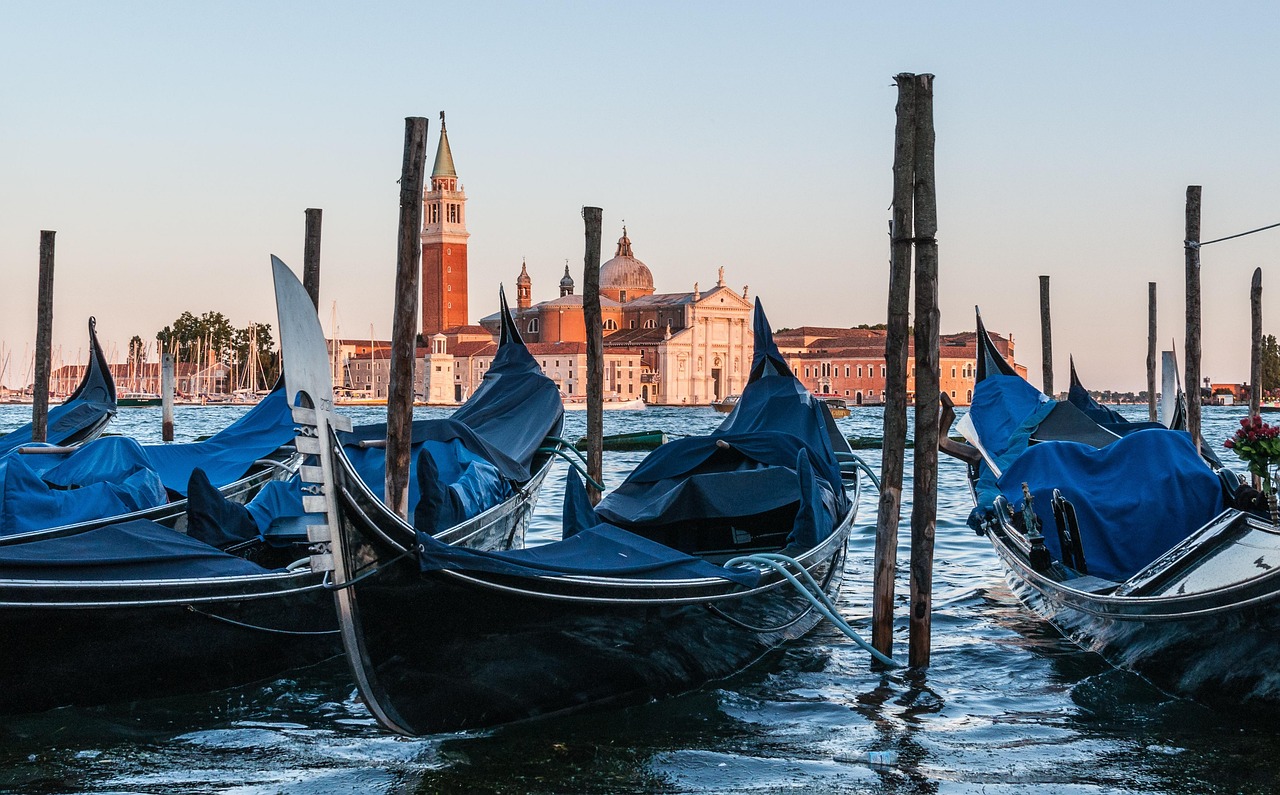
Architecturally, the Scuola Grande di San Giovanni Evangelista is a stunning example of the Renaissance style, characterized by its harmonious proportions and classical detailing. The building’s exterior is adorned with intricate stone carvings and statues, while the interior boasts a stunning collection of artwork that narrates the rich religious history of Venice. Visitors can admire not only Pordenone’s work but also pieces by other illustrious Venetian artists, which contribute to the Scuola’s reputation as a crucial hub for artistic expression.
Venice's culture is a tapestry woven from centuries of history, tradition, and artistry. The city celebrates numerous festivals that reflect its vibrant heritage. One of the most renowned is the Carnival of Venice, a spectacular event marked by elaborate masks and costumes, where locals and tourists alike revel in the spirit of festivity. This celebration, dating back to the 12th century, transforms the city into a dazzling spectacle of color and sound, inviting visitors to immerse themselves in its rich cultural fabric.
When it comes to gastronomy, Venice is a culinary delight. Local dishes often feature fresh seafood, reflecting its maritime heritage. Savoring a plate of sarde in saor, sweet and sour sardines, is a must. Another iconic dish is risotto al nero di seppia, a fragrant squid ink risotto that encapsulates the essence of Venetian cuisine. Pair these dishes with a glass of Prosecco or a locally produced ombra, a small glass of wine enjoyed standing at a bar, to truly experience the flavors of the region.
Despite its popularity, Venice holds many lesser-known curiosities. For instance, the Scala dei Giganti, or the Giants' Staircase, flanks the entrance of the Doge's Palace and features two imposing statues of Mars and Neptune. These grand figures symbolize the power of the Venetian Republic—a subtle reminder of its maritime dominance. Additionally, the Libreria Acqua Alta, a unique bookstore where books are stored in gondolas and bathtubs to protect against flooding, offers a quirky charm that delights bibliophiles and tourists alike.
The best time to visit Venice is during the shoulder seasons of spring (April to June) and autumn (September to October). During these months, the weather is pleasant, and the city is less crowded, allowing for a more intimate experience. To make the most of your visit, consider exploring lesser-known sites, indulging in local culinary offerings, and taking leisurely strolls along the canals, where you can absorb the enchanting ambiance of this floating city.
In the midst of Venice's rich tapestry of history, art, and culture, the legacy of Giovanni Antonio da Pordenone remains a testament to the city's enduring allure. To navigate this historical treasure trove and uncover hidden gems, consider using the Secret World app to craft a personalized itinerary that will lead you through the enchanting streets of Venezia.


