


The water of the Radovna flows emerald green between limestone rock walls that narrow to just a few meters in width, and the sound of the rapids drowns out any other noise. The Vintgar Gorge is located just four kilometers from Lake Bled, yet those who arrive here feel as if they have entered a world completely separate from the mass tourism that characterizes the lakeside. The contrast is immediate and physical: less light, more humidity, air that smells of moss and wet stone.
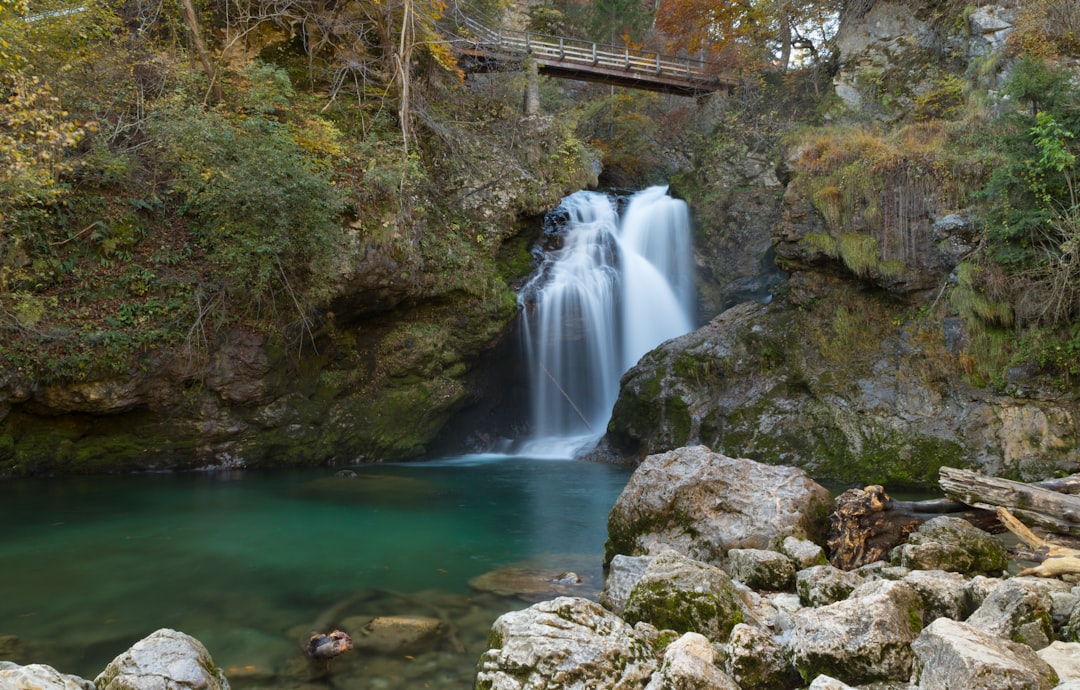
The path was opened to the public in 1893, after the local geographer Benedikt Lergetporer and the mayor of Gorje, Jakob Žumer, explored the gorge and realized it was accessible. Since then, a wooden walkway of 1.6 kilometers follows the course of the river along the rock face, suspended above the pools and rapids, allowing visitors to traverse the gorge without ever straying from the water. The original structure has been rebuilt and maintained over time, but the route has remained substantially unchanged for over a century.
A humid ecosystem rich in life
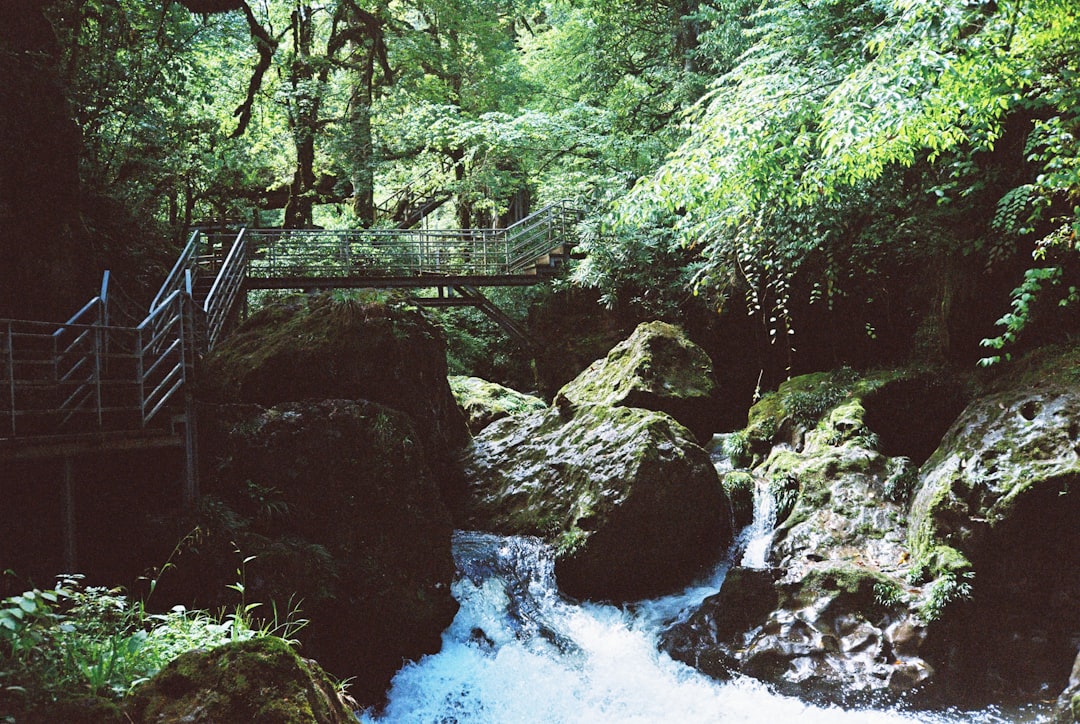
The environmental conditions of the gorge — almost constant shade, high humidity, cold and oxygenated water — create a favorable habitat for a variety of species that are rarely found in the open surroundings of the lake. The rocky walls are covered with mosses and ferns that grow densely thanks to the water that continuously filters from the rock. In some places, the vegetation forms real green carpets that descend to the water level.
The Radovna River is inhabited by the marble trout (Salmo marmoratus), an endemic species of the alpine waters of Slovenia and northeastern Italy, recognizable by the characteristic dark marbling on its light back. In the calmer pools, with a bit of patience and a steady position on the walkway, it is possible to observe these fish holding their position against the current. The water quality is excellent, and the green-blue color of the pools is due to the particular limestone composition of the substrate.

The birds and wildlife of the gorge
Those who walk slowly and quietly along the walkway have a good chance of spotting the dipper (Cinclus cinclus), a small brown bird with a white chest that lives exclusively near fast-flowing streams and has the unique ability among passerines to walk underwater to search for insect larvae. It often perches on the emerging rocks in the middle of the current and flies low over the water with a quick and direct flight.
In the quieter hours, especially early in the morning, the gorge is also traversed by deer that come down to drink along the accessible stretches of the river. The dense vegetation that overshadows the gorge — mainly beech and silver fir — is home to woodpeckers, treecreepers, and various species of tits. The absence of vehicular traffic in the immediate vicinity makes the environment acoustically clean, which favors both birdwatching and the perception of the sound variations of the river, which changes tone depending on the width of the channel and the depth of the pools.
The path and what to expect physically

The walkway is almost entirely flat and can be traversed in both directions, although the recommended direction is from north to south, entering from the main entrance near the Gorje parking lot. The path ends at the Šum waterfall, which at approximately 16 meters high represents the visual highlight of the visit. From there, you can return the same way or follow a trail in the woods that leads back to the entrance in about twenty additional minutes.
The entrance ticket in the summer season is about 10 euros for adults. The walkway can become slippery in the presence of moisture, so shoes with non-slip soles are strongly recommended. The average round trip time is about one and a half hours, but those who stop to observe the wildlife or photograph the pools easily take twice as long.
When to go and how to get there
The best time to visit the gorge is early in the morning, preferably before nine, when the light filters gently between the walls and large groups have not yet filled the walkway. In the high summer season, between July and August, the gorge receives thousands of visitors a day and the natural experience is significantly reduced. Spring, when the snow melts on the mountains and the river flow is at its maximum, offers a particularly intense sound and visual spectacle.
From Bled, it is possible to get there on foot in about an hour by following the signs to Gorje, or by bicycle along secondary roads. In summer, a shuttle service from the center of Bled is also available. Avoid using your own car on weekends in July and August, when parking fills up quickly. The gorge is generally open from April to October, with hours varying depending on the season.


