


Triglav is Slovenia’s national symbol and pride. Its pyramid-shape summit rises above the central Julian Alps and is clearly visible from far and near. With an elevation of 2,863.65 metres (9,395.2 ft), it holds the title of the highest mountain in Slovenia, captivating the imagination of explorers, hikers, and climbers since the 18th century. The first successful ascent was made in 1778 by four brave men from Bohinj: Matija Kovač, Jozef Kovač, Ludvik Haller, and Jakob Jerman. Their triumph marked the beginning of a deep connection between the mountain and the Slovenian people, who view Triglav as more than just a geographical landmark; it embodies their spirit and resilience. The name 'Triglav', meaning 'Three Heads', is shrouded in mystery, as the peak presents only two prominent summits. This name likely derives from an ancient Slavic goddess, symbolizing the mountain's revered status among the local population.

The architectural significance of Triglav is not confined to its natural beauty. The surrounding region is dotted with charming mountain huts, known as koče, which serve as resting points for weary hikers. These traditional wooden structures, built in harmony with nature, exhibit a unique Alpine architectural style. Inside, visitors can find local artworks that often depict the mountain's majestic landscapes and folklore, showcasing the strong connection between the people and their land.
In terms of local culture and traditions, Triglav holds a pivotal role in Slovenian folklore. It is celebrated in various myths and legends, with the mountain often personified as a guardian spirit of the land. The annual Triglav Festival, typically held in July, attracts locals and tourists alike, featuring traditional music, dance, and storytelling that pay homage to the mountain’s significance in Slovenian heritage. The festival is a vibrant celebration of community, drawing in artisans and performers who create an immersive cultural experience.
When it comes to gastronomy, the region surrounding Triglav offers a taste of authentic Slovenian cuisine. Hikers can indulge in local specialties such as štruklji, rolled dumplings filled with various fillings, or potica, a traditional nut roll. For those seeking a warm drink after a long trek, Zlatorog beer, named after the mythical golden-haired chamois of Triglav, is a must-try. These dishes, often prepared in mountain huts, reflect the rustic flavors of the Alpine lifestyle and are a perfect way to recharge.
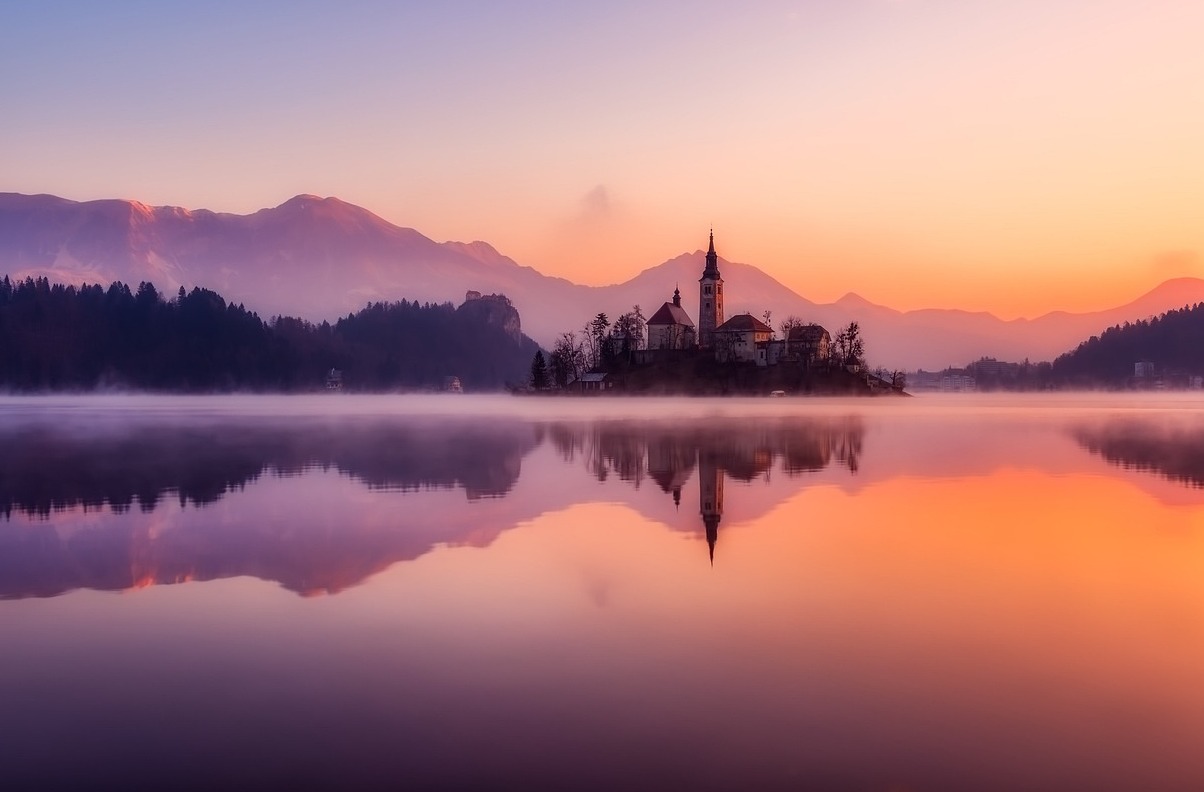
While the beauty of Triglav is well-documented, there are several lesser-known curiosities that enrich its allure. For instance, the mountain is home to rare wildlife, including the elusive golden eagle and the endangered chamois, making it a hotspot for nature enthusiasts. Additionally, the Triglav Lakes Valley is a hidden gem where turquoise glacial lakes mirror the sky, providing stunning views that rival those of the summit itself. Many visitors overlook these serene spots in favor of the peak, but they offer equally breathtaking experiences. Furthermore, it’s interesting to note that Triglav is often depicted on the Slovenian coat of arms, emphasizing its status as a national symbol.
The best time to visit Triglav largely depends on the activities you are interested in. For hiking, the summer months from June to September offer optimal weather, while winter attracts skiers and snowshoers. It’s advisable to wear proper hiking gear, as the trails can be challenging, especially for beginners. The views from the summit are best experienced on clear days, so checking the weather forecast and planning your ascent accordingly is essential.
Visitors should also take the time to explore the surrounding Triglav National Park, which encompasses a vast array of landscapes, from lush valleys to rugged peaks. The park is crisscrossed with trails suitable for various skill levels, ensuring an unforgettable experience in the heart of nature.
In conclusion, Triglav is not merely a mountain; it is a cultural treasure and a beloved symbol of Slovene identity. Its towering presence inspires awe and respect, drawing people from all walks of life to connect with its natural beauty and rich history. To fully appreciate Triglav and its surroundings, consider using the Secret World app to craft a personalized itinerary that captures the essence of this remarkable destination.


