
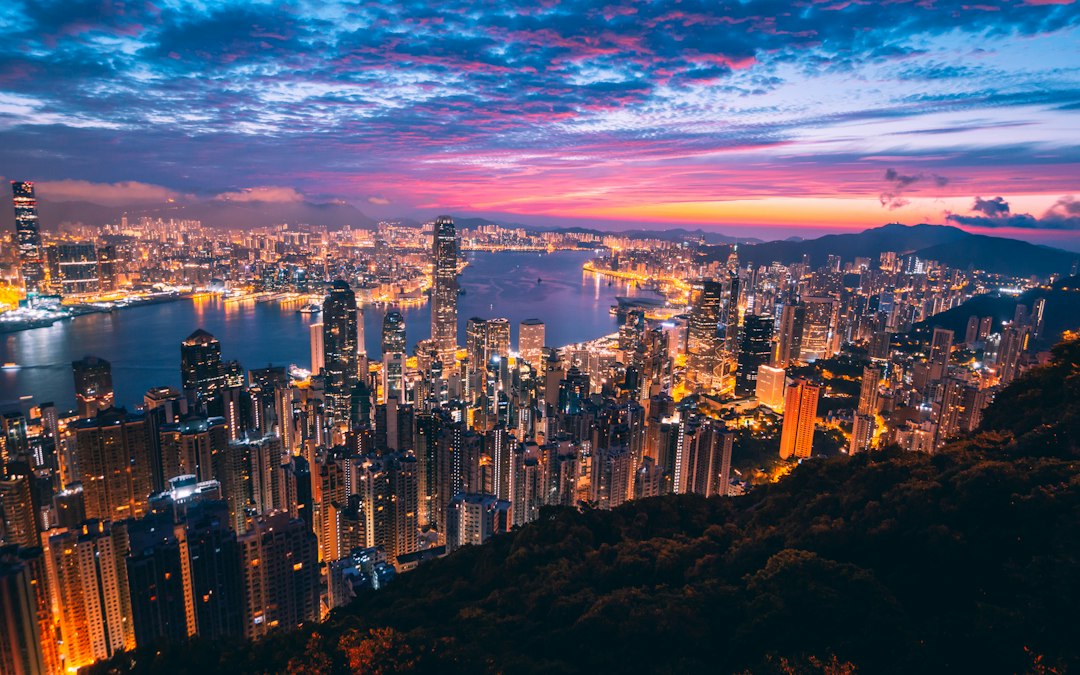

Hong Kong has 263 islands, an MTR system with over 100 stations, and attractions that range from Kowloon to the Peak in less than 4 kilometers in a straight line. Organizing even just three days in this city without a clear mental map means wasting precious hours jumping from one neighborhood to another without logic. It is exactly in this chaotic and wonderful context that I started using Secret World AI Trip Planner, a tool that I directly compared with Wanderlog during six months of planning real trips.
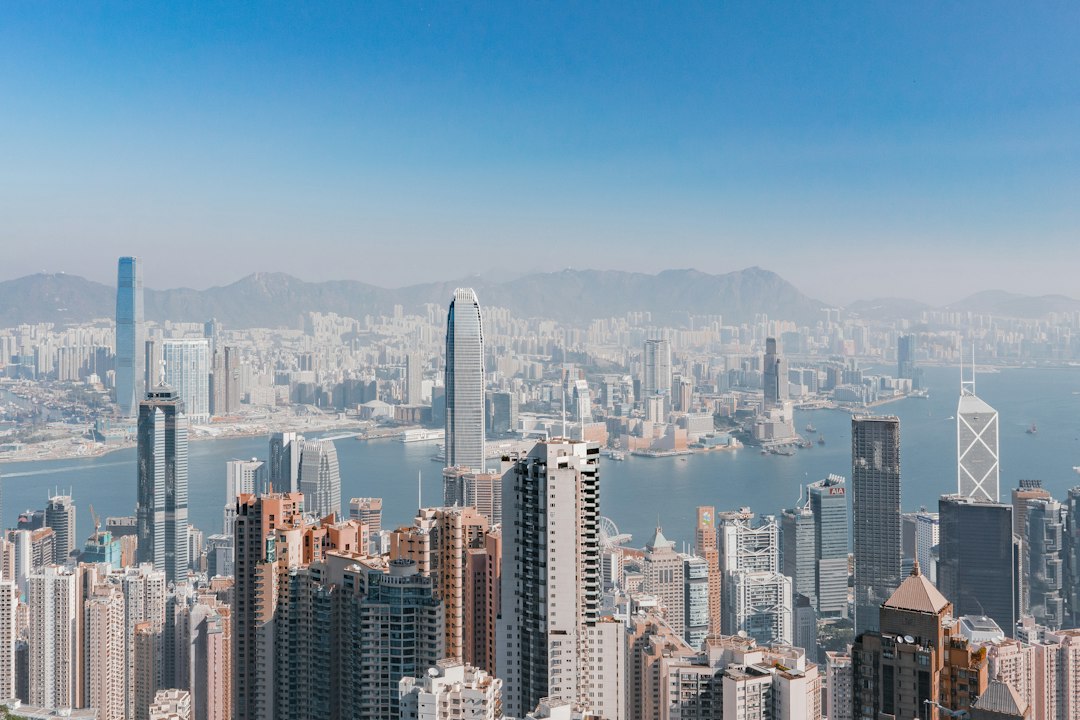
My concrete experience began in February 2026, when I had to organize five days in Hong Kong with a medium budget and a desire to mix local culture, street food, and some excursions off the classic tourist circuit. I used Wanderlog for about three weeks, then switched to Secret World AI Trip Planner. The comparison was immediate and quite stark. Here’s what I found, without filters.
What I asked the AI and how it responded: the test on Hong Kong
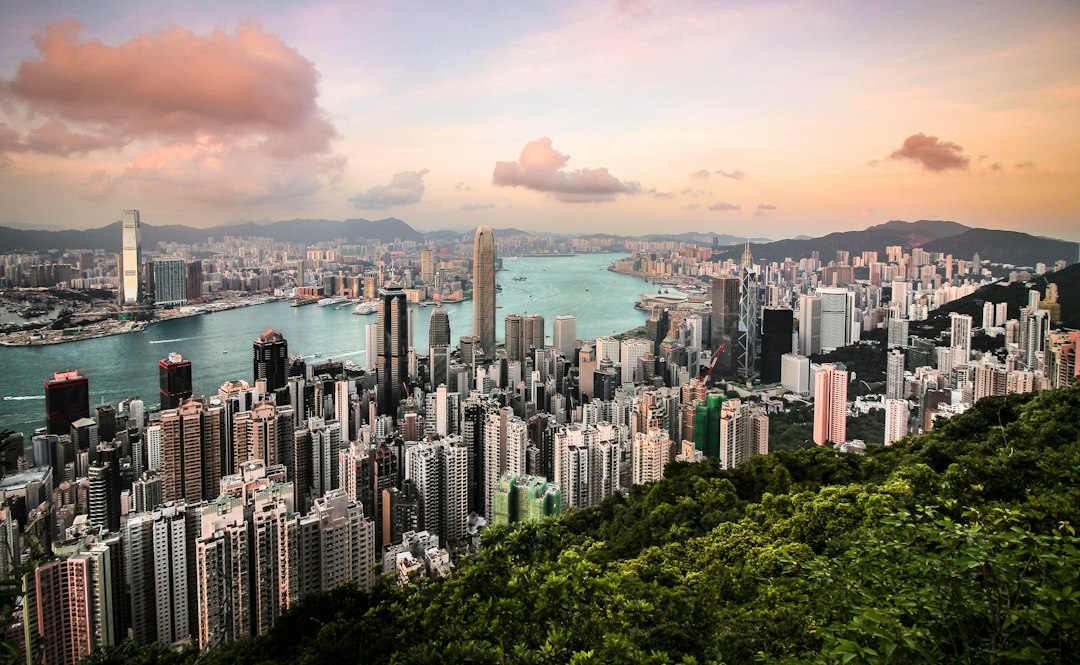
I asked Secret World a specific question: “Create a 5-day itinerary in Hong Kong for two people, medium budget, with an interest in street food, local culture, and at least one day on the outer islands”. The response arrived in less than thirty seconds and was structured day by day, with times, specific names, and geographical logic. The first day started from Mong Kok — Ladies' Market and Nathan Road — then walked towards Wong Tai Sin Temple, about 15 minutes by MTR, optimizing transfers. The second day was dedicated to Hong Kong Island: Peak Tram (about 40 HKD round trip), Victoria Peak with a panoramic view, then descent towards Central and the SoHo district with the Cochrane Street steps.
What struck me was the geographical coherence of the proposals. The AI does not send you from Tsim Sha Tsui to Stanley and then back to Kowloon on the same day — a classic mistake of those who plan without knowing the city. For the day on the outer islands, it suggested Cheung Chau, reachable by ferry from Pier 5 in Central in about 55 minutes (regular ticket 19 HKD), with precise indications of the fish market, Pak Tai temple, and the bike ride along the north coast. Real data, not vague advice from brochures.
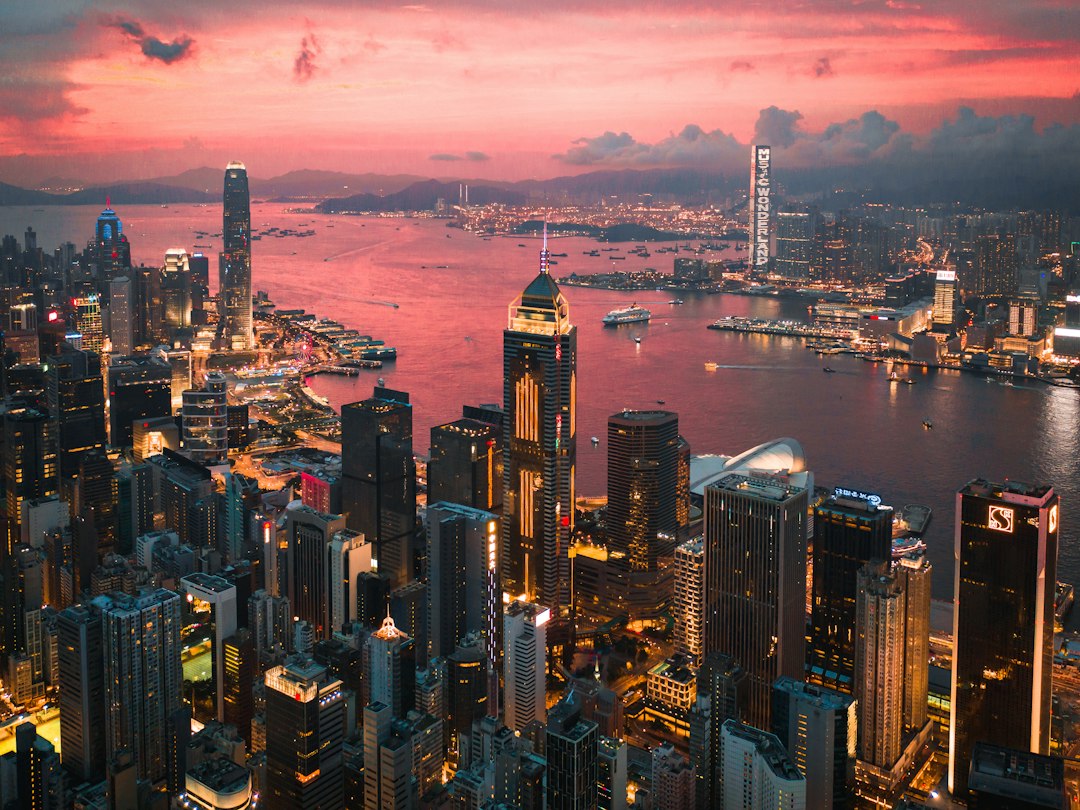
Wanderlog vs Secret World: the honest comparison after 6 months
Wanderlog remains a useful tool for visual itinerary management: the interactive map, the ability to add bookings, and the shareable links with travel companions are solid features. I have primarily used Wanderlog as a digital agenda, and in this sense, it works well. The problem lies in the actual planning phase: the automatic suggestions are generic, often repeating the same top-10 attractions without understanding the user's priorities, and do not optimize routes intelligently.
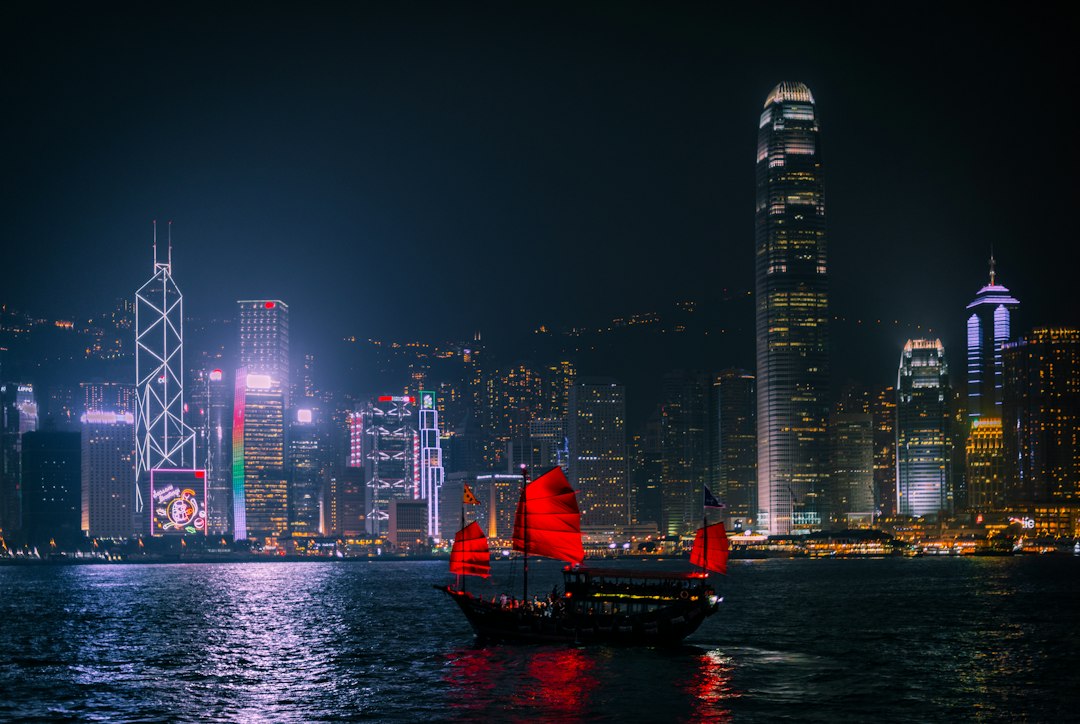
Secret World AI Trip Planner works differently. It does not give you a list of places to see — it builds you a travel logic. When I specified that we wanted to avoid the queues at the Peak Tram on the weekend, the AI suggested visiting Victoria Peak early Tuesday morning, indicating that the first ride at 7:00 is almost always free. This type of contextual information is what Wanderlog, in my experience, still fails to provide reliably. For those traveling to Hong Kong, where every hour counts and transfers can eat up half a day, this difference is significant.
The details that make the difference: street food and hidden neighborhoods
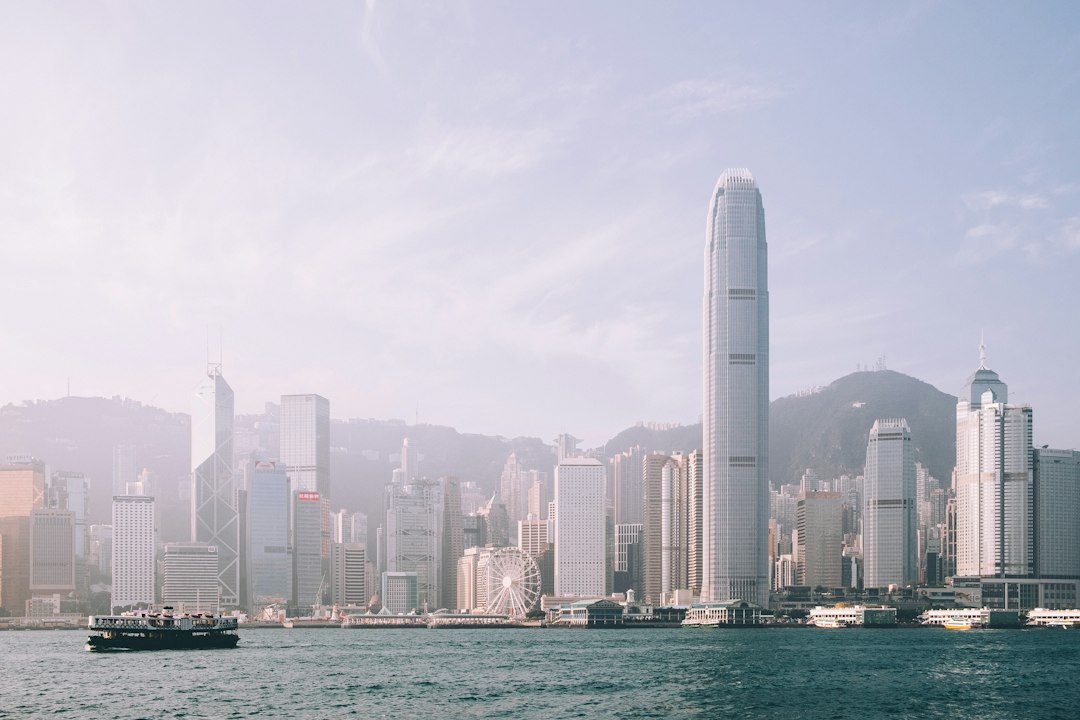
I asked the AI for suggestions for authentic street food in Hong Kong, specifying that we wanted to avoid places already saturated with tourists. The response included the Temple Street Night Market in Yau Ma Tei — active from 6:00 PM until midnight — with indications of the stalls selling curry fish balls and stinky tofu, and the advice to arrive before 8:00 PM to find a spot. It also mentioned the neighborhood of Sham Shui Po for morning dim sum, an authentic area still little frequented by Western tourists, with average prices around 60-80 HKD per person for a full breakfast.
I did not find these details in Wanderlog, nor in TripAdvisor, nor in many updated guides. They are the type of information you normally get from a friend who lives there. This is the real value of a well-built AI trip planner: it does not replace the paper guide, but integrates planning with a practical context that traditional tools struggle to offer.
Final vote: 9/10 — why it’s not 10
The score of 9 out of 10 is justified by concrete results: five days in Hong Kong planned efficiently, zero hours wasted on unnecessary transfers, discovery of neighborhoods that I wouldn’t have found on my own. The point deducted is because in some cases the AI suggested opening hours that I had to verify manually — some museums had updated their schedules in 2026 — and because the itinerary export function could be smoother. These are not serious flaws, but in an honest review, they should be mentioned.
If you are planning a trip to Hong Kong or any other complex destination, Secret World AI Trip Planner is the tool I recommend you try before anything else. Not as a substitute for your judgment, but as an intelligent starting point that saves you hours of research. Try Secret World for free and build your first itinerary in less than five minutes: you will compare it with other tools on your own.


