


Rome in 2026 is a city that is preparing to experience an extraordinary year: the Jubilee has left completed restorations, new museum openings, and improved pedestrian paths in the historic center. With over 900 churches, 280 fountains, and UNESCO sites scattered over 1,285 square kilometers, the real problem is not finding what to see in Rome, but understanding how to organize time intelligently without missing the most beautiful things.
This is where artificial intelligence applied to travel comes into play. Tools like Secret World are changing the way travelers plan visits to Rome and other destinations: no more generic lists copied from Wikipedia, but itineraries built around your real preferences, the time you have available, and the neighborhoods you want to explore. Let's see how it works in practice, using Rome as a concrete example.
The must-see places in Rome in 2026: starting with the classics methodically

The Colosseum remains the first mandatory stop: in 2026 it can be visited with a combined ticket that includes the Roman Forum and Palatine Hill, for about 18-24 euros for adults. The practical advice is to book online at least 48 hours in advance, especially in spring and autumn. A complete visit of the three sites takes between 3 and 4 hours. Less than 2 kilometers away on foot are the Capitoline Museums, the oldest public museums in the world, featuring the Hall of the Capitoline Wolf and the equestrian statue of Marcus Aurelius.
The Pantheon, now a paid museum (5 euros since 2023), is worth a visit in the early morning hours when the light enters through the oculus creating a unique visual effect. A short walk away, in Piazza Navona, are the Fountain of the Four Rivers by Bernini and three Baroque churches that can be visited for free. Rome rewards those who walk: the historic center is compact and many of the most beautiful attractions are less than 20 minutes on foot from each other.

How AI Transforms Trip Planning in Rome
Planning Rome on your own means navigating variable opening hours, queues, distances, and personal preferences. Artificial intelligence solves this problem by generating coherent itineraries in just a few seconds. Secret World is one of the most comprehensive platforms in this field: with access to over 1 million destinations worldwide, it builds personalized routes taking into account the number of available days, interests (art, gastronomy, history, nightlife), and preferred travel pace.
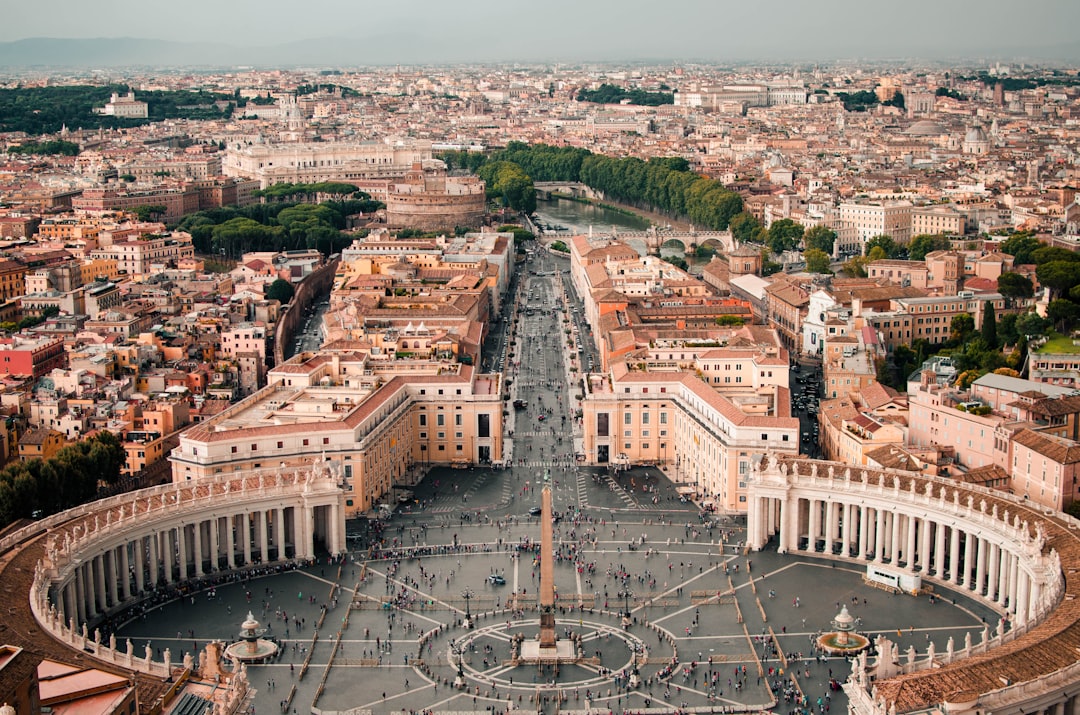
The result is not a list of places to see, but a real daily plan with recommended times, travel durations, and suggestions on when to avoid queues. For Rome, for example, Secret World might suggest visiting the Vatican Museums and the Sistine Chapel early in the morning (opening at 9:00 AM, ticket about 20 euros), and dedicating the afternoon to Trastevere, which comes alive after 5:00 PM with markets and typical venues.
KnowWhere and the audio guides: Rome told in a new way

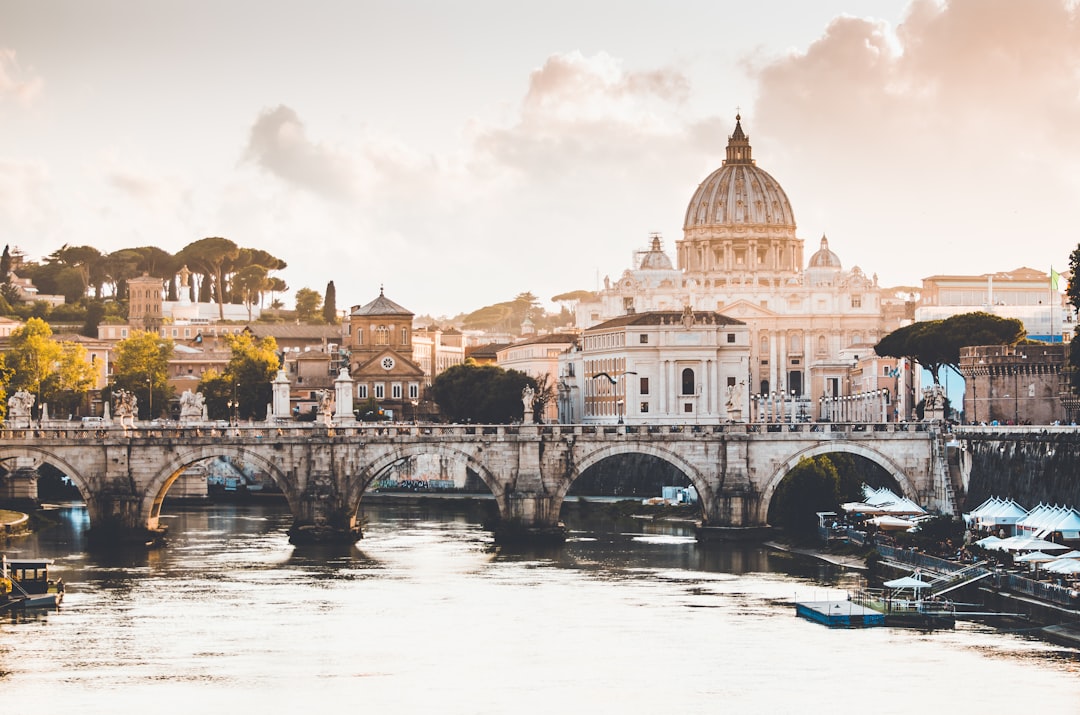
One of the most innovative features of Secret World is KnowWhere, a system that provides contextual information about places while you are physically on site. Walking near the Castel Sant'Angelo, for example, you automatically receive the history of the mausoleum of Hadrian, its transformation into a papal fortress, and details about the Passetto di Borgo, the elevated corridor that connected the castle to the Vatican.
The integrated audio guides complete the experience: instead of reading informational panels or following tour guides with colorful umbrellas, you listen to curated narratives directly in your headphones, at your own pace. For a city like Rome, where every alley has a two-thousand-year history, this type of insight transforms an ordinary walk into a memorable experience. The audio guides of Secret World also cover lesser-known places like the Basilica of San Clemente, which hides three overlapping historical levels, or the Coppedè District, a hidden art nouveau and fantasy corner between Parioli and Trieste.
Download Secret World for free and plan Rome 2026 with AI
If you are organizing a trip to Rome in 2026, starting with an AI tool like Secret World means saving hours of research and arriving in the city with a concrete, flexible, and personalized plan. It’s not about blindly relying on an algorithm, but using technology to make more informed choices: knowing that the Borghese Gallery requires mandatory reservation and accepts a maximum of 360 visitors every two hours is the kind of information that makes the difference between a successful visit and a wasted morning.
Secret World is available for free on the App Store and Google Play. After downloading, you can enter Rome as your destination, specify how many days you have available, and let the AI build your personalized itinerary, with KnowWhere active during the visit and audio guides available offline. A concrete and modern way to experience Rome in 2026, without giving up spontaneity.


