
← Back

Rashtrapati Bhavan: residence of the President of India

Rashtrapati Bhawan, President's Estate, New Delhi, Delhi 110004, India ★★★★☆ 902 views
Jessica Evans
New Delhi
🏆 AI Trip Planner 2026

Get the free app

Discover the best of New Delhi with Secret World — the AI trip planner with 1M+ destinations. Get personalized itineraries, hidden gems and local tips. Free on iOS & Android.

🧠 AI Itineraries 🎒 Trip Toolkit 🎮 KnowWhere Game 🎧 Audio Guides 📹 Videos
Download on the App Store Get it on Google Play
Scan to download Scan to download
Rashtrapati Bhavan: residence of the President of India - New Delhi | Secret World Trip Planner

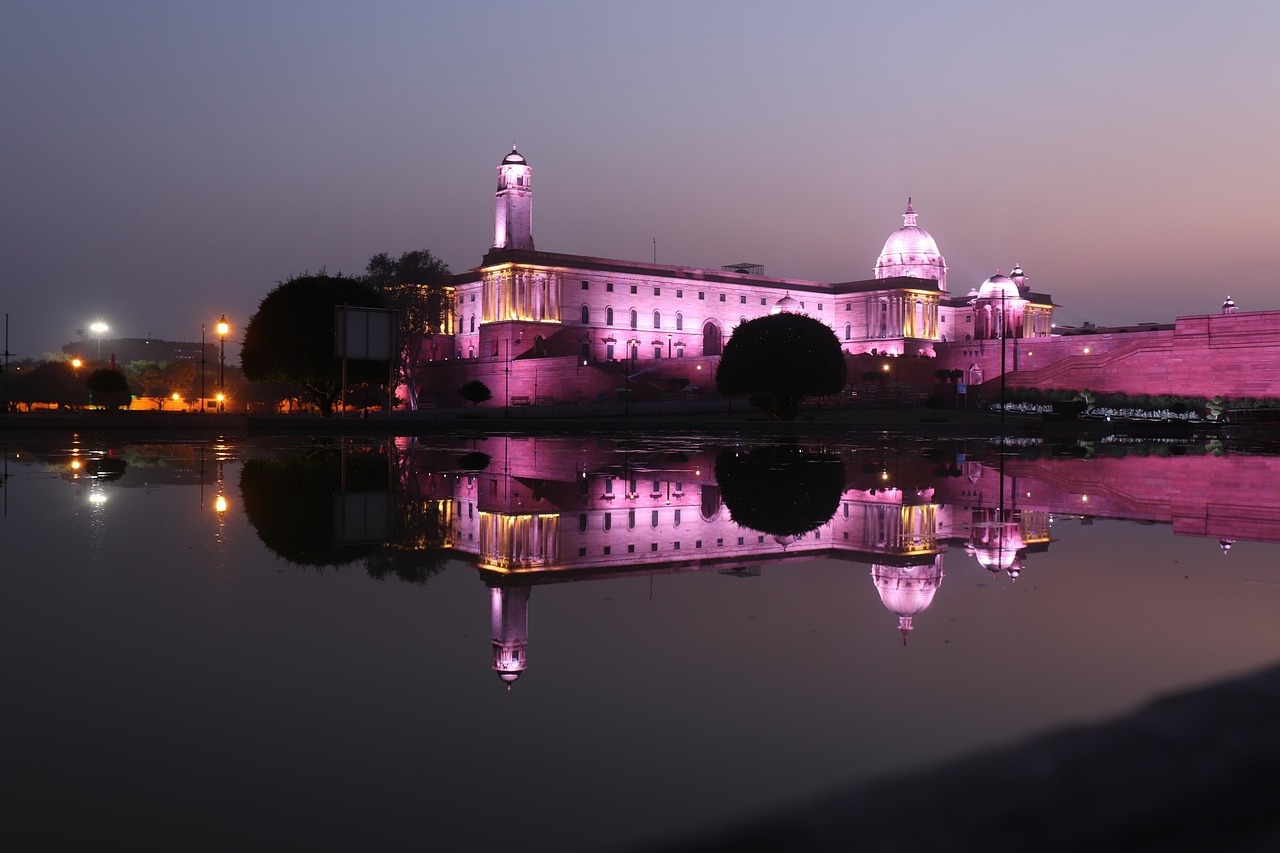
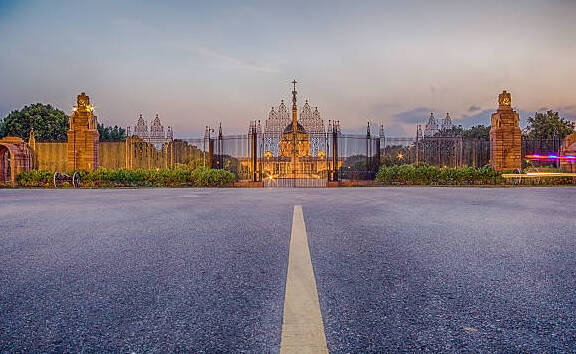
Standing majestically at the heart of New Delhi, Rashtrapati Bhavan serves as the official residence of the President of India, encapsulating a unique blend of history, culture, and architectural brilliance. Constructed between 1912 and 1929, this grand edifice was originally designed by British architect Edward Lutyens, during a time when the capital was relocated from Calcutta to Delhi. With its striking red and cream sandstone façade, the building harmoniously combines Western and Indian architectural styles, making it the largest residence of a Head of State in the world.

Rashtrapati Bhavan: residence of the President of India - New Delhi | Secret World Trip Planner

### History and Origins

The Rashtrapati Bhavan stands on what was once the Viceroy’s House, symbolizing the seat of power during British colonial rule. The decision to shift the capital to Delhi was part of the larger Delhi Durbar of 1911, a grand ceremony attended by King George V. The construction marked a significant turning point in Indian history, as it laid the foundation for a new political landscape. Following India’s independence in 1947, the building was renamed Rashtrapati Bhavan, reflecting its new role as the official residence of the President.

Rashtrapati Bhavan: residence of the President of India - New Delhi | Secret World Trip Planner

### Art and Architecture

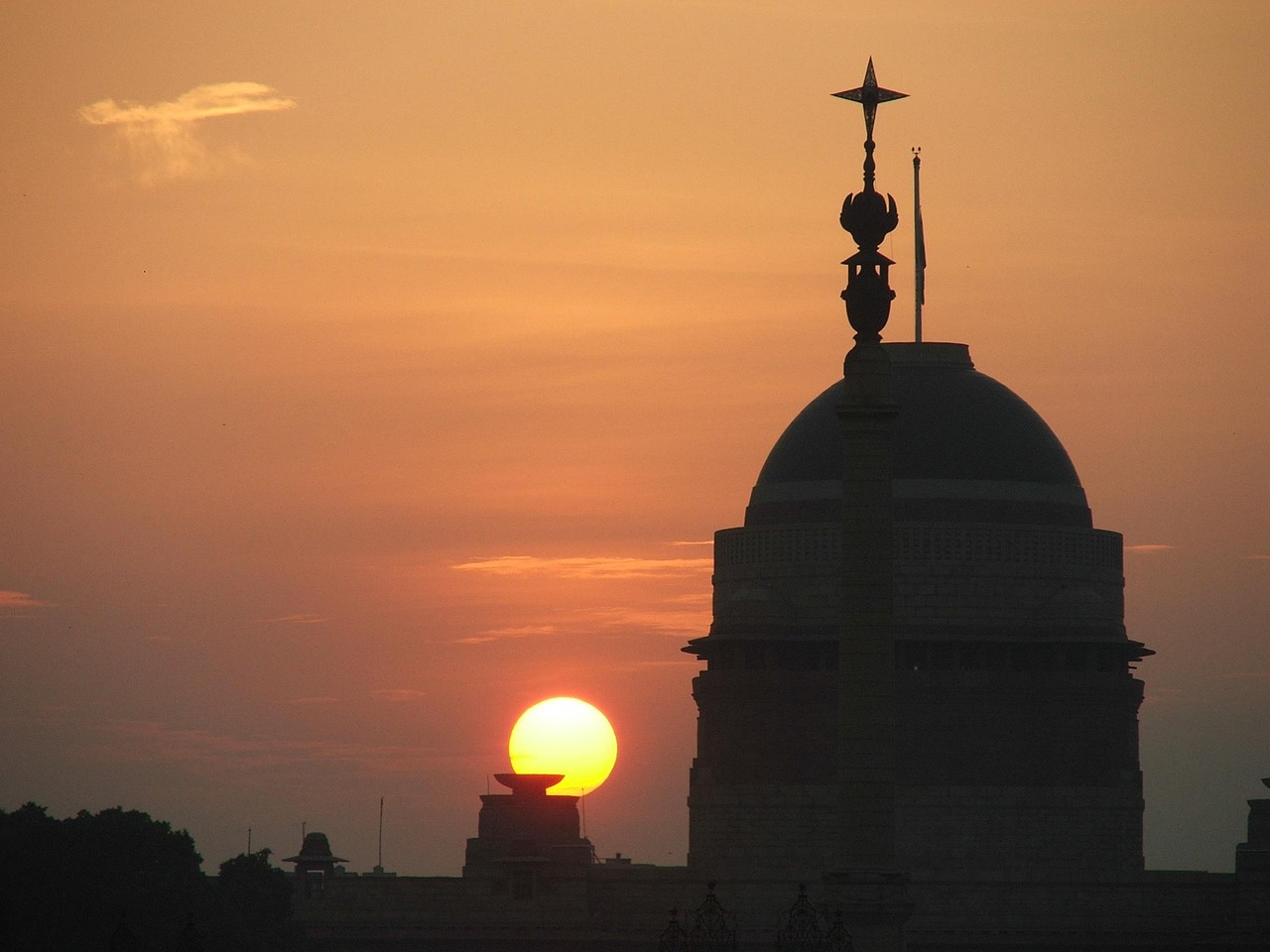
The architectural style of Rashtrapati Bhavan is a stunning amalgamation of Indigenous and colonial influences. Featuring a dome reminiscent of St. Paul’s Cathedral in London, the structure's design is underscored by Indian motifs and chhatris (elevated dome-shaped pavilions). The expansive gardens, known as the Mughal Gardens, are a visual delight, showcasing intricate landscaping and vibrant flowers.

Inside, the Bhavan houses an impressive collection of artworks, including portraits of former Presidents and various sculptures that narrate the rich history of India. The Ashoka Hall, with its exquisite wooden ceiling and marble flooring, serves as a venue for state functions and is adorned with stunning artwork that reflects India's heritage.

### Local Culture and Traditions

Rashtrapati Bhavan is not just a residence; it is a cultural landmark. The Indian Republic Day celebrations, held every January 26, culminate in a grand parade that showcases India's diverse culture and military might, with the Rashtrapati Bhavan as a backdrop. Visitors can witness the ceremonial Changing of the Guard ceremony, which takes place every Saturday, a tradition steeped in formality and respect.

The Bhavan also plays host to various cultural events, including art exhibitions and musical performances, emphasizing its role in promoting Indian art and culture. Festivals like Diwali and Holi are celebrated here with fervor, showcasing the rich tapestry of Indian traditions.

### Gastronomy

While Rashtrapati Bhavan itself does not serve public meals, the nearby areas of New Delhi offer a culinary adventure that reflects the flavors of the region. Dining in Connaught Place, a bustling hub nearby, you can savor chole bhature (spiced chickpeas with deep-fried bread), biryani (a fragrant rice dish), and jalebi for dessert. Local eateries often feature traditional North Indian cuisine, highlighting the use of rich spices and diverse ingredients.

### Lesser-known Curiosities

Among the many fascinating aspects of Rashtrapati Bhavan is its secret underground bunker, initially constructed for the Viceroy, which has since been updated for modern security needs. Another interesting feature is the gardens themselves, which were inspired by the Mughal Gardens of Agra and Kashmir, showcasing a unique blend of Persian and Indian landscaping.

Visitors might be surprised to learn that the gardens are open to the public during the annual Udyanotsav, where you can stroll through various sections, including the Herb Garden and the Flower Garden, each showcasing seasonal blooms and meticulously cared-for greenery.

### Practical Visitor Information

The best time to visit Rashtrapati Bhavan is during the winter months, from October to March, when the weather is pleasant and ideal for exploring the gardens and the vast complex. Visitors can book guided tours online, which provide an in-depth look at the architectural marvel and its historical significance.

When visiting, make sure to look out for the intricate details in the architecture, such as the Jaali work (lattice screens) that adorn the windows and the grand central courtyard that offers a panoramic view of the sprawling complex.

In summary, exploring Rashtrapati Bhavan is not just a visit to a building; it is a journey through India's rich history, culture, and artistry. To enhance your experience in discovering New Delhi, consider using the Secret World app to plan a personalized AI itinerary that fits your interests perfectly.

🗺 AI Trip Planner

Plan your visit to New Delhi

Suggested itinerary near Rashtrapati Bhavan: residence of the President of India

MAJ+
500.000+ travelers worldwide
  1. 🌅
    Morning
    Rashtrapati Bhavan: residence of the President of India
    📍 New Delhi
  2. ☀️
    Afternoon
    Il kebab Indiano
    📍 0.9 km da New Delhi
  3. 🌆
    Evening
    Chole Bhature
    📍 0.9 km da New Delhi

Buy Unique Travel Experiences

Powered by Viator

See more on Viator.com

Explore nearby · New Delhi