



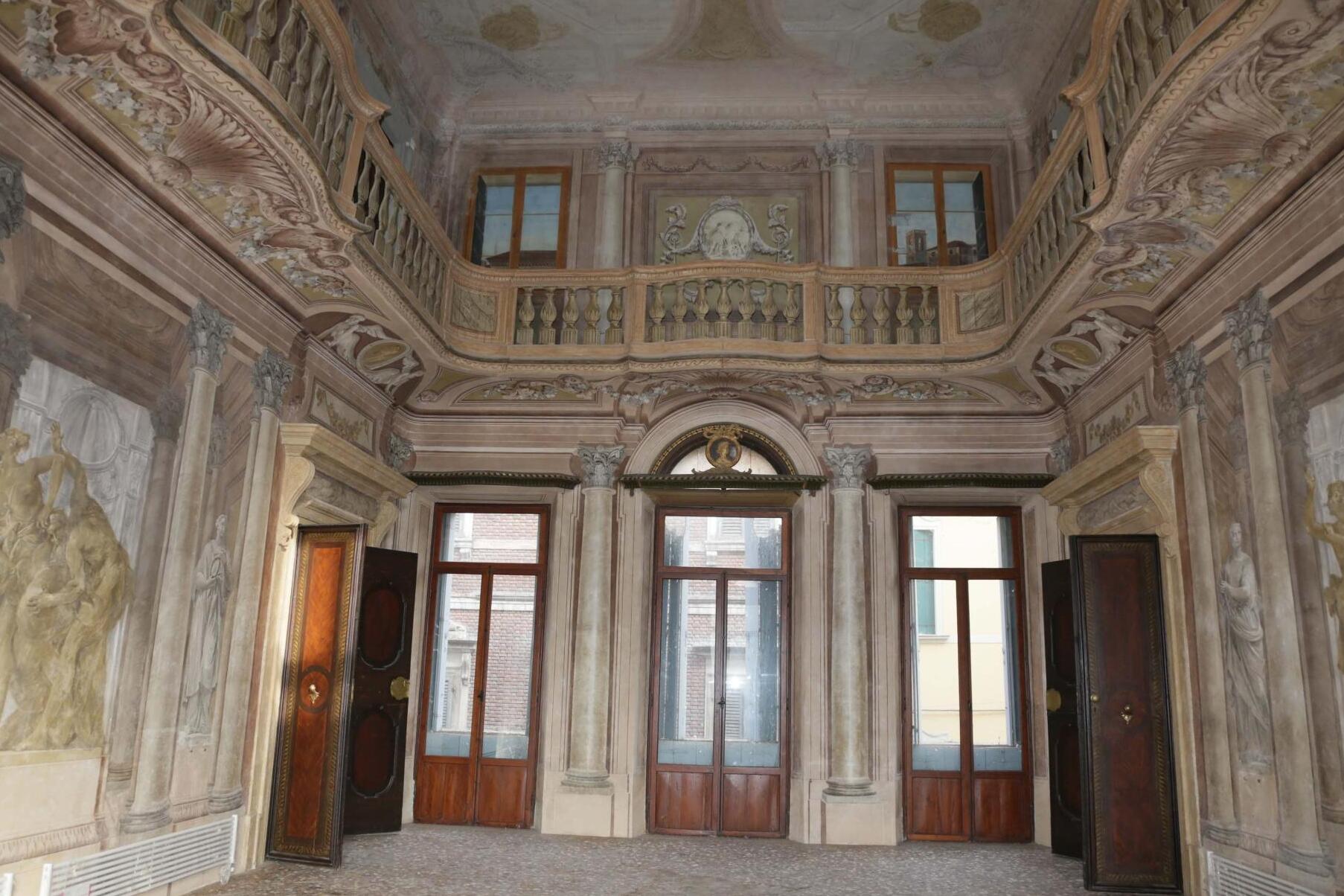
Nestled in the heart of Rovigo, Palazzo Angeli stands as a testament to the city’s rich history and architectural grandeur. Recently restored and owned by the Municipality of Rovigo, this stunning edifice was constructed in 1780 by the renowned Veronese architect Francesco Schiavi. Its graceful façade and storied past make it one of the most beautiful palaces in the region.
The palace has been an integral part of Rovigo’s tapestry since its inception. Originally built for noble families, it transitioned into a public space when it was donated to the Municipality in 1876 by Count Domenico Angeli. Over the years, Palazzo Angeli has welcomed numerous illustrious guests. Among them were Charles IV of Spain and Maria Luigia Bourbon in 1815, and Empress Aleksandra Federowna with her daughter in 1846. The walls are adorned with plaques commemorating these visits, a silent witness to the palace's historical significance.
Architecturally, Palazzo Angeli is a fine example of Neoclassical style, characterized by its symmetry and grandeur. The entrance is framed by elegant columns, leading into spacious halls that echo with whispers of the past. Inside, the palace boasts intricate frescoes and detailed moldings, showcasing the craftsmanship of the era. Notably, the grand staircases and airy rooms create a sense of openness, inviting visitors to explore its many facets.
As a cultural hub, Palazzo Angeli has been at the forefront of local traditions and events. It has served various roles throughout its history, from a school to public offices, even a police headquarters. Today, it is set to become the seat of the University of Law of Ferrara, breathing new life into its storied walls. The palace often hosts cultural events, exhibitions, and lectures, fostering a vibrant community spirit.
Rovigo’s local culture is deeply intertwined with its culinary heritage. The region is known for its Polenta di Rovigo, a rich, creamy dish made from cornmeal, often served with various sauces or meats. Another local delicacy is Sgombro in saor, mackerel marinated in vinegar and onions, reflecting the Venetian influence on the area’s cuisine. Pairing these dishes with a glass of Raboso, a local red wine, creates an authentic Rovigo dining experience that captures the essence of the region.
Beyond its architectural beauty and culinary delights, Palazzo Angeli holds lesser-known curiosities that often elude tourists. For instance, in 1867, the iconic revolutionary Giuseppe Garibaldi delivered a passionate speech from one of the palace’s grand windows, igniting the spirit of nationalism among the crowd below. Furthermore, many visitors overlook the small yet charming garden behind the palace, a tranquil oasis where one can reflect on the rich history that surrounds them.
The best time to visit Palazzo Angeli is during the spring and early autumn months when the weather is mild, allowing for leisurely exploration of the palace and its surroundings. It’s advisable to check the local calendar for any special events or exhibitions that may coincide with your visit, offering a deeper insight into the ongoing cultural narrative of Rovigo.
When visiting, don’t forget to look for the unique historical plaques that recount the visits of notable figures, providing context to the grandeur of the palace. Additionally, take a moment to enjoy the surrounding area, where the vibrant local markets and charming streets beckon with the promise of discovery.
For those looking to explore Rovigo with ease and personalization, using the Secret World app can help you craft your own unique itinerary to uncover the city’s hidden gems.
