
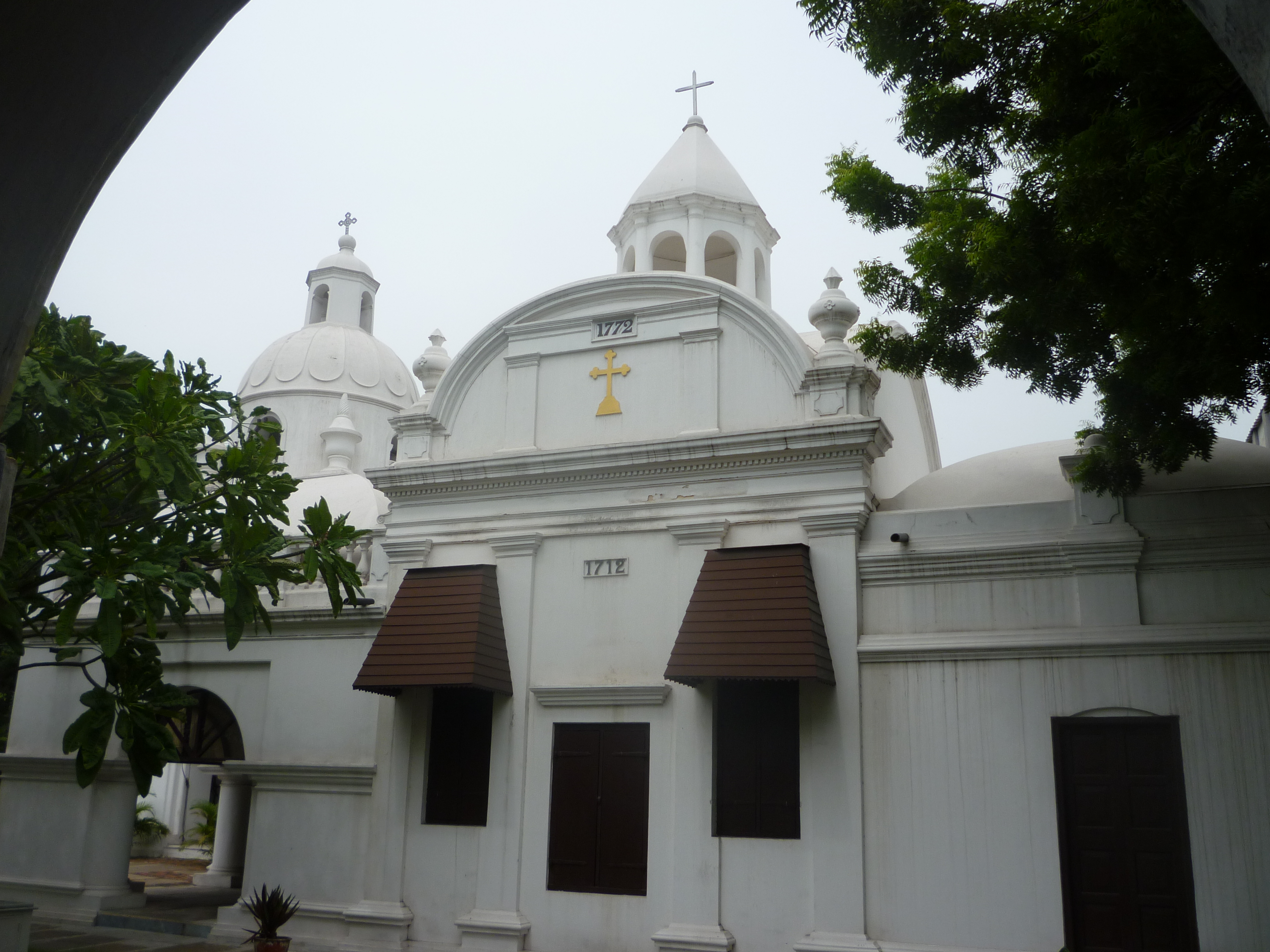

Nestled in the bustling heart of Chennai, the Armenian Church stands as a tranquil testament to the city’s diverse cultural tapestry. This sacred space, reconstructed in 1772 on the site of an Armenian cemetery, has witnessed centuries of history and remains a focal point for the small Armenian community that has called India home since the 16th century.
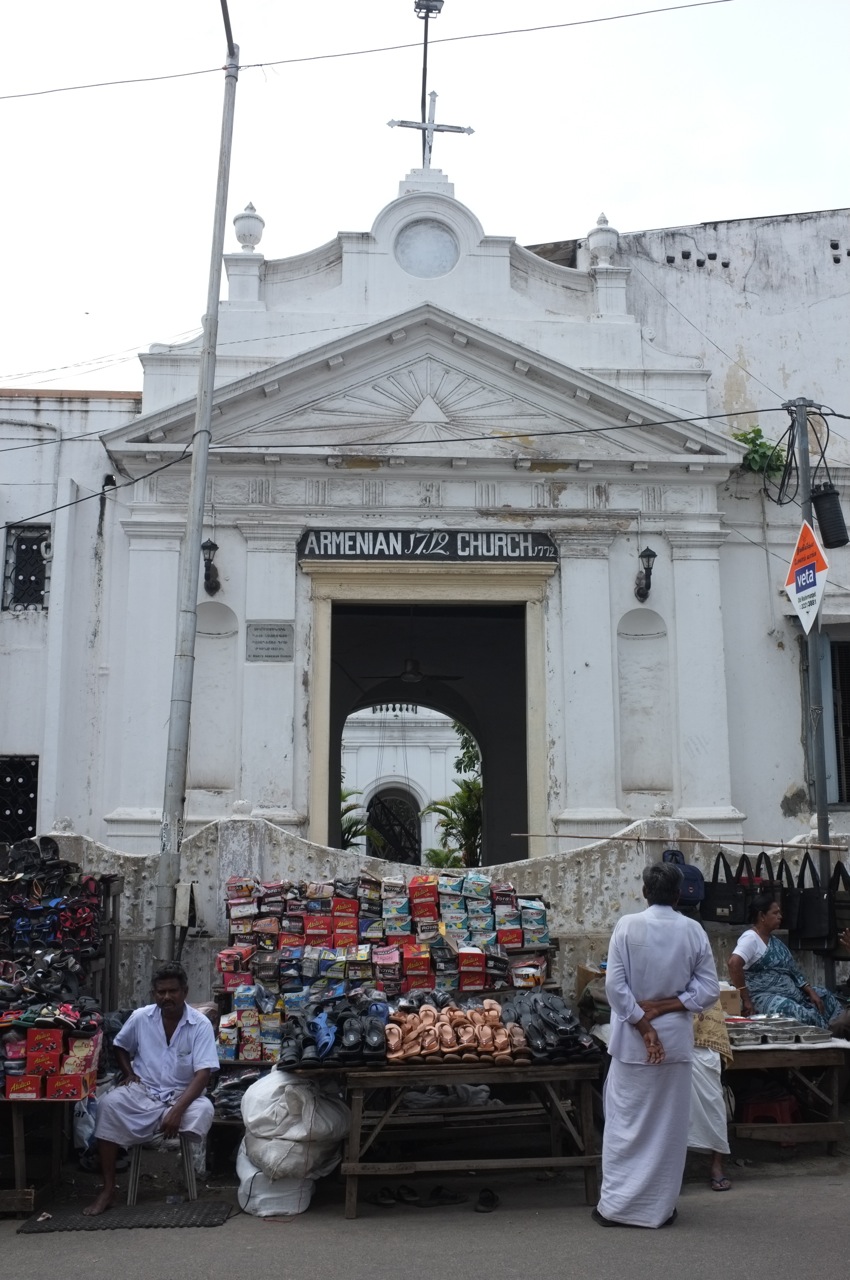
The origins of the Armenian presence in Chennai trace back to the time of the Mughal Empire, when Armenians began to migrate to India for trade. By the late 17th century, they established a thriving community, primarily engaged in commerce and shipbuilding. The church was built to serve the spiritual needs of this burgeoning community, which at its peak had a significant influence on the local economy and culture.
Throughout its history, the Armenian Church has seen many significant events. One notable moment was during the British colonial period, when the church served as a meeting point for Armenian merchants and travelers. The establishment of the church not only provided a place of worship but also fostered a sense of community among Armenians in a foreign land.
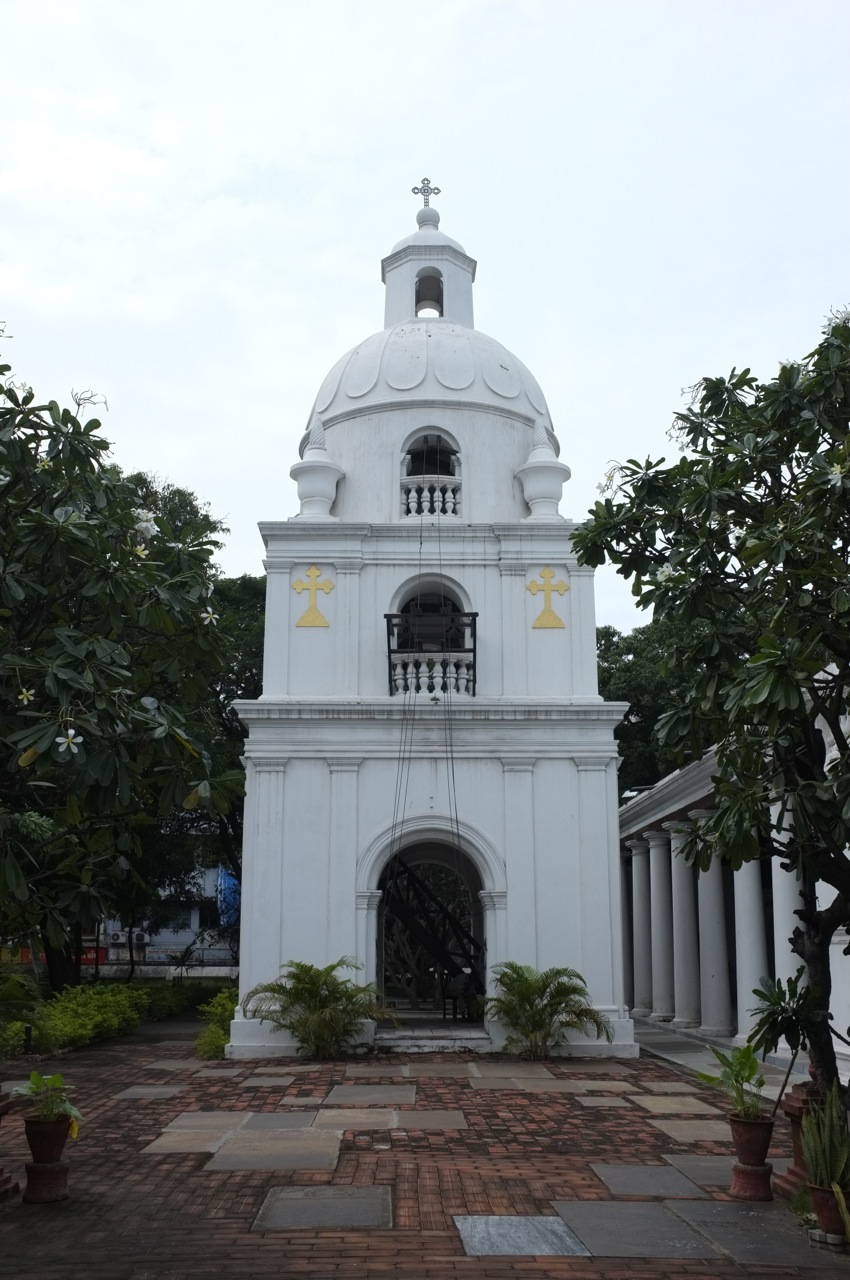
Architecturally, the Armenian Church is a remarkable example of neo-classical style, featuring a simple yet elegant façade embellished with intricate carvings. The bell tower, or belfry, is particularly striking; it houses six massive bells, each weighing 150 kilograms and ranging from 21 to 26 inches in size. The sound of these bells ringing at 9:30 am every Sunday creates a melodious atmosphere that resonates throughout the surrounding area. It’s a sound that both locals and visitors cherish, marking the time for reflection and community gathering.
Inside, the church boasts beautiful stained glass windows and wooden pews that echo the craftsmanship of its time. One of the notable artworks is a beautifully painted altar, which depicts scenes from the life of Christ, embodying the rich heritage of Armenian Christian art. The church’s interior exudes a sense of peace and reverence, inviting visitors to pause and reflect.
The local culture surrounding the Armenian Church is vibrant, harmonizing the traditions of the Armenian community with those of Chennai. The Armenian community celebrates several festivals, with Christmas and Easter being particularly significant. During these times, the church becomes a hub of activity, with special services and communal meals that reflect the warm hospitality intrinsic to Armenian culture.
A delightful aspect of visiting the Armenian Church is exploring the local gastronomy that aligns with its rich cultural heritage. Traditional Armenian dishes such as kebabs, lavash (a type of flatbread), and pilaf are popular among the community and often featured at church gatherings. These dishes, infused with unique spices and flavors, offer a taste of Armenia that visitors can enjoy at nearby eateries. Don't miss trying a glass of Armenian brandy, which is renowned for its quality and often served during festive occasions.
One of the lesser-known curiosities about the Armenian Church is its cemetery, which lies adjacent to the church. The graves are adorned with intricately carved tombstones, some dating back to the 17th century. These tombstones tell silent stories of the Armenian community’s history in Chennai, capturing the names and achievements of prominent individuals.
Additionally, the church is often overlooked as a stop for visitors eager to explore Chennai’s more mainstream tourist attractions. However, its serene ambiance and historical significance offer a unique glimpse into the city’s multicultural legacy. Many tourists miss the opportunity to engage with the caretaker, who holds a wealth of knowledge about the church's history and significance.
For those planning a visit, the best time to explore the Armenian Church is during the cooler months, from November to February. The church is open throughout the week, and visitors are encouraged to attend the Sunday service to experience the ringing of the bells and the warmth of the community. While visiting, take a moment to walk around the cemetery and appreciate the artistry of the tombstones, as well as the lush greenery that surrounds the church, providing a peaceful escape from the city’s hustle and bustle.
In conclusion, the Armenian Church in Chennai is not merely a place of worship; it is a living monument to the city’s rich and diverse history. With its stunning architecture, vibrant local culture, and the warm spirit of its community, it invites visitors to uncover the stories that lie within its walls. For a more personalized exploration of Chennai, consider using the Secret World app to plan your itinerary.


