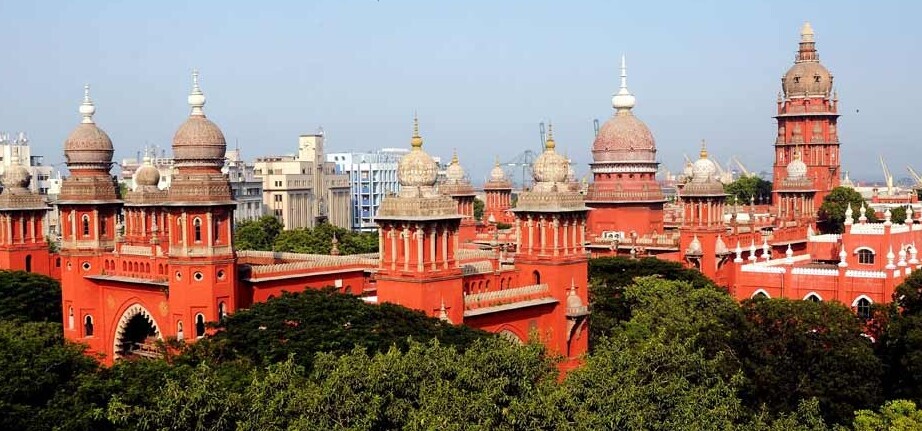

The High Court Building in Chennai, India, stands as a monumental testament to the city's rich legal heritage and architectural splendor. Established in 1892, this striking red Indo-Saracenic structure is not only one of Chennai's most recognizable landmarks but also the second-largest judicial building in the world, following the Courts of London. Its imposing facade and intricate details tell a story of its historical significance and cultural relevance in the heart of Tamil Nadu.
### History and Origins The roots of Chennai, previously known as Madras, stretch back to ancient times, with the area being inhabited for over 2,000 years. The city played a pivotal role during the British colonial era when it became a significant trading port. The High Court Building was constructed to reflect the burgeoning legal system during British rule. Architect J. W. B. Smith designed the building, which symbolizes the fusion of Gothic, Indo-Islamic, and Indian architectural styles. Since its inauguration in 1892, the court has witnessed numerous landmark rulings and legal transformations, making it a cornerstone of the Indian judiciary.
### Art and Architecture The High Court Building is a stunning example of the Indo-Saracenic architectural style, characterized by its red brick structure, grand arches, and intricate carvings. The domed towers and pointed arches are reminiscent of Islamic architecture, while elements like the Chhatris (elevated dome-like structures) pay homage to traditional Indian designs. Notably, the building houses striking stained glass windows that filter vibrant light into the interior, creating a mesmerizing ambiance. Visitors can admire the exquisite craftsmanship of the stone carvings and the grand central hall that exudes an air of legal authority.
### Local Culture and Traditions The High Court Building is situated in a vibrant area that pulses with Chennai's local culture. The court complex is often bustling with lawyers, law students, and the public, reflecting a society deeply engaged with justice and legal proceedings. The local customs are steeped in tradition, with festivals like Pongal and Diwali celebrated with fervor in the surrounding neighborhoods. The significance of law and order in Tamil culture is palpable here, with many viewing the legal system as a pillar of society.
### Gastronomy No visit to Chennai would be complete without indulging in its culinary delights. The area surrounding the High Court is dotted with local eateries serving authentic South Indian fare. Be sure to try idli (steamed rice cakes) served with sambar (lentil soup) and coconut chutney, or dosa, a crispy crepe made from fermented rice and lentils. For a sweet treat, mysore pak, a rich dessert made from gram flour and ghee, is a must-try. Pair your meal with filter coffee, a strong brew that’s a staple in Tamil households.
### Lesser-Known Curiosities While many visitors admire the grand architecture, few know that the High Court Building has its own ghost stories. Some court employees claim to have encountered the spirits of former judges lingering in the halls, adding an air of intrigue to the already historic site. Additionally, the court has hosted notable legal figures, including Mahatma Gandhi, who once practiced law in the city. Exploring the building reveals small details, like the engraved names of significant legal figures in Indian history, often overlooked by tourists.
### Practical Visitor Information The best time to visit the High Court Building is during the cooler months from November to February, when Chennai experiences pleasant weather. Tours are available through the registrar, offering a unique glimpse into the workings of the court. Visitors should dress modestly and be prepared for security checks, as this is an active judicial building. Take note of the intricate details in the stonework and the unique architectural features that define this landmark.
For those planning their journey, the Secret World app can help create a personalized itinerary to explore the rich history and culture of Chennai, including the magnificent High Court Building.
