
🎄 Win a month in Italy for two — €10,000 · The Secret Italy Prize GO →
Baklava , the dessert of the gods — Kemankeş Cd. No:67
← Back
Typical Dishes 📍 Kemankeş Cd. No:67, Turkey 256 views

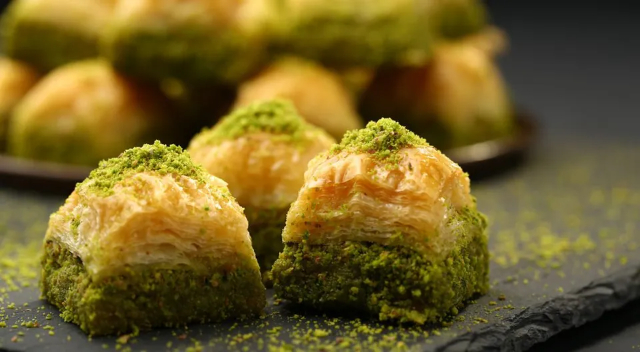
Baklava , the dessert of the gods

Baklava is a traditional dessert that has a fascinating history and a long tradition in Middle Eastern and Mediterranean cuisines.The origins of baklava date back to ancient Mesopotamia, where puff pastry was already widely used to create nut and honey-based desserts. Over the ce...

Photo · Patrizia M.

Baklava , the dessert of the gods — Kemankeş Cd. No:67, Turkey.

Location
Kemankeş Cd. No:67
Type
Typical Dishes
Opening hours
Weather now
↗ Directions

About Baklava , the dessert of the gods

Baklava , the dessert of the gods - Kemankeş Cd. No:67 | Secret World Trip Planner

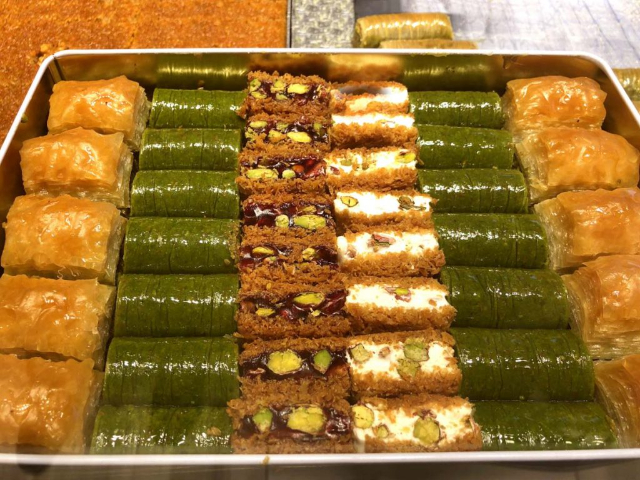
Baklava is a traditional dessert that has a fascinating history and a long tradition in Middle Eastern and Mediterranean cuisines.The origins of baklava date back to ancient Mesopotamia, where puff pastry was already widely used to create nut and honey-based desserts. Over the centuries, the recipe spread through several civilizations, including the ancient Greeks, the Romans and the Ottomans, each of whom made their own contributions to its evolution.According to legend, the first baklava was prepared as a gesture of gratitude to the gods. It is said that Greek women during celebrations in honor of the goddess of love, Aphrodite, prepared a dessert made of phyllo dough, chopped nuts and honey to offer to the gods. This ancient tradition has since been adopted by many other cultures.What is fascinating about baklava is that it has undergone variations and adaptations in the different regions where it has been adopted. Each culture added its own ingredients and developed unique versions of the dessert. For example, in Greece baklava may be made with almonds or macadamia nuts, while in Turkey walnuts and almonds are common. Some variations may also include pistachios or pecans.In addition to its history and variations, baklava is also famous for its complexity in preparation. The phyllo dough requires great skill to be rolled out very thin, and the composition of layers of dough and nuts requires precision and care. It is an art that is passed down from generation to generation, and the master pastry chefs who create baklava follow centuries-old traditions to achieve the perfect taste and texture.Today, baklava is widely spread throughout the world and is considered a delicacy. It is often served at celebrations and special occasions. Its combination of layers of crispy phyllo dough, aromatic nuts and honey syrup makes it an irresistible dessert for many.I hope this brief foray into the history and origins of baklava has intrigued you. It is a dessert that encompasses centuries of culinary traditions and continues to delight people all over the world. If you have the opportunity, I highly recommend sampling authentic baklava on your next visit to a Middle Eastern bakery or one of the regions where it is particularly popular. Enjoy!
Baklava , the dessert of the gods - Kemankeş Cd. No:67 | Secret World Trip Planner
✦ Secret World · suggested day

A perfect day in Kemankeş Cd. No:67

Start with Baklava , the dessert of the gods, then continue with nearby places selected by Secret World.

  1. 01
    Morning
    Baklava , the dessert of the gods
    📍 Kemankeş Cd. No:67
    Start here
  2. 02
    Afternoon
    📍 1.3 km away
  3. 03
    Evening
    📍 1.5 km away

Collect this place

Turn places you discover into stamps in your Secret Passport.

Open Secret Passport →

Keep exploring · Kemankeş Cd. No:67

Frequently Asked Questions

Baklava's origins trace back to ancient Mesopotamia, where puff pastry was already widely used for nut and honey-based desserts. According to legend, Greek women first prepared baklava as an offering to Aphrodite during celebrations, using phyllo dough, chopped nuts, and honey—a tradition that has since been adopted by many cultures throughout history.
Different regions have developed their own nut variations for baklava based on local availability and preferences. Greek baklava traditionally uses almonds or macadamia nuts, while Turkish versions commonly feature walnuts and almonds, and some variations include pistachios or pecans for added flavor and texture.
Baklava is renowned for its complexity in preparation, requiring the phyllo dough to be rolled out extremely thin with great skill and precision. The composition of multiple layers of dough and nuts demands careful craftsmanship, which is why master pastry chefs follow centuries-old traditions passed down through generations to achieve the perfect taste and texture.
Baklava underwent significant variations and adaptations as it spread from ancient Mesopotamia through Greek, Roman, and Ottoman civilizations, with each culture contributing their own ingredients and techniques. This cultural exchange resulted in unique regional versions while maintaining the core elements of phyllo dough, nuts, and honey that define the dessert.
Today, baklava is widely spread throughout the world and is considered a delicacy, often served at celebrations and special occasions to mark important events. Its irresistible combination of crispy phyllo dough layers, aromatic nuts, and honey syrup has made it a beloved dessert across Mediterranean and Middle Eastern cuisines and beyond.

Experiences nearby · Kemankeş Cd. No:67

Powered by Viator

See more on Viator.com

Secret World Hidden places, real stories — plan your trip
Get the app
