
The Grand Bazaar in Istanbul is a captivating labyrinth of history, culture, and commerce, showcasing its significance as one of the world's oldest and largest covered markets. With its origins tracing back to the mid-15th century, this vibrant marketplace has been a focal point of trade and social interaction for centuries.
### History and Origins The Grand Bazaar was commissioned by Sultan Mehmed II after the conquest of Constantinople in 1453, aimed at revitalizing the economy of the newly established Ottoman capital. Initially, it started as a simple marketplace, but as trade flourished, it evolved into a sprawling complex. By the 17th century, the bazaar had grown significantly, boasting over 4,000 shops and becoming one of the largest covered markets in the world.
Throughout its long history, the bazaar has witnessed key events, including fires and earthquakes, leading to several restoration projects that have preserved its iconic structure. Today, the Grand Bazaar not only reflects the rich history of Istanbul but also serves as a symbol of the city’s cultural and economic life.
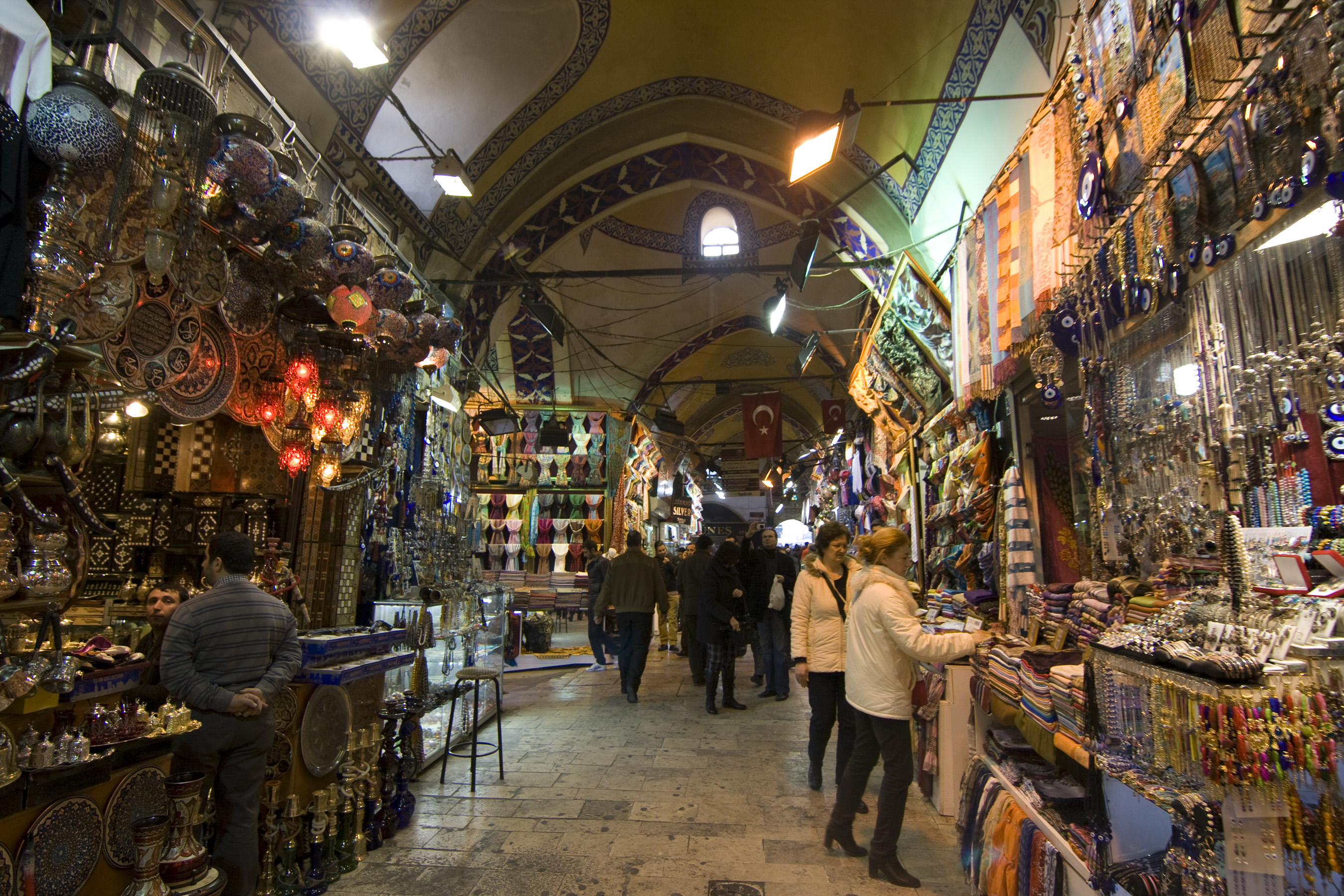
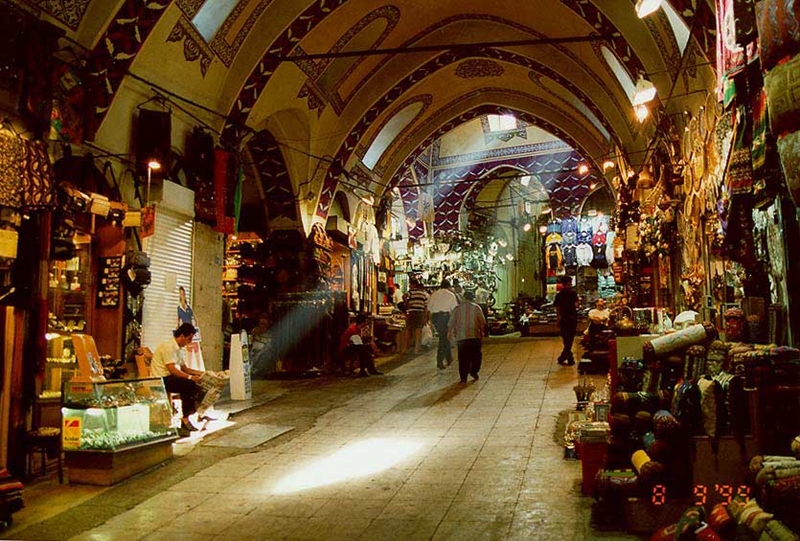
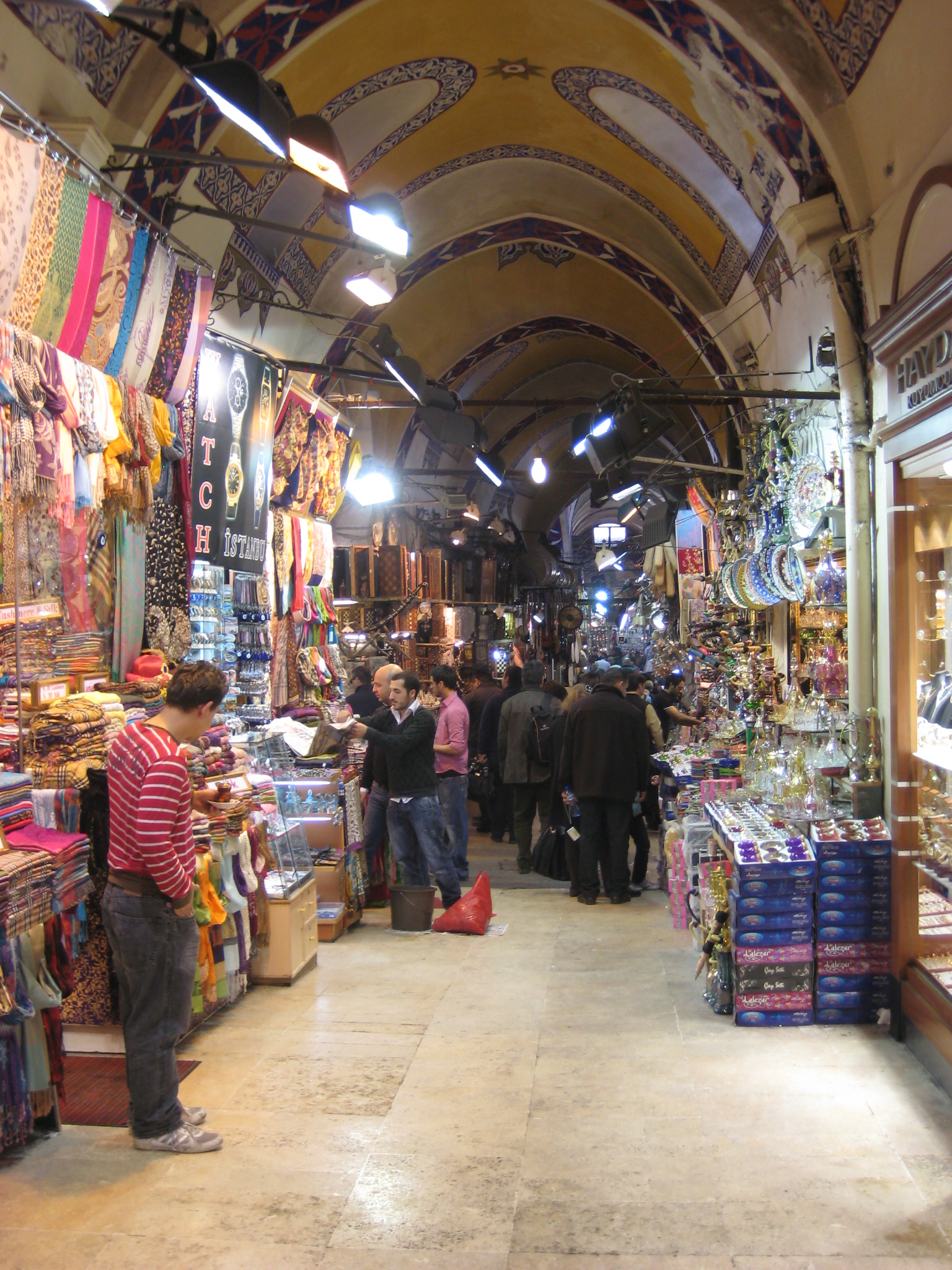
### Art and Architecture The architectural style of the Grand Bazaar is a beautiful blend of Ottoman and Byzantine influences. The intricate domed ceilings and arched entryways are adorned with stunning mosaics and vibrant tiles, showcasing the artistry of the period. The bazaar's layout, with its maze-like streets, is both practical and aesthetically pleasing, allowing for easy navigation while encouraging exploration.
Among the notable artworks are the elaborate calligraphic inscriptions that adorn various stalls and the beautifully crafted light fixtures that illuminate the market. Each corner of the bazaar offers glimpses of the craftsmanship that has been passed down through generations, making it an artistic treasure trove.
### Local Culture and Traditions Stepping into the Grand Bazaar is akin to entering a living museum of local culture. The bazaar is not just a shopping destination; it is a social hub where local customs and traditions thrive. Bargaining is a cherished practice here, and visitors are encouraged to engage in friendly haggling, a custom that reflects the vibrant spirit of Turkish commerce.
Festivals celebrating various aspects of Turkish culture are also prominent within the bazaar. For instance, during Ramazan (Ramadan), the market takes on a festive atmosphere, with special food stalls and decorations that celebrate the month of fasting. The bazaar is a place where stories and traditions are shared, making it a vital part of Istanbul's cultural fabric.
### Gastronomy The culinary delights found within the Grand Bazaar are as diverse as the products being sold. Vendors offer a wide array of traditional Turkish foods, including simit (sesame-encrusted bread), kebabs, and mezes (small dishes). A visit to the bazaar wouldn’t be complete without trying a cup of Turkish tea or the aromatic Turkish coffee, both served in traditional cups that enhance the experience.
For those with a sweet tooth, the bazaar is home to stalls selling baklava, a rich pastry made of layers of filo dough, filled with nuts and sweetened with honey or syrup. These culinary treasures not only satisfy hunger but also provide insight into the vibrant flavors of Turkish cuisine.
### Lesser-Known Curiosities Beyond the obvious sights, the Grand Bazaar holds many secrets. One lesser-known fact is that it houses a mosque, Zeyrek Mosque, tucked away from the bustling shops, offering a quiet retreat for worshippers. Additionally, the bazaar is home to various artisans, including goldsmiths and carpet weavers, who often welcome visitors to see their crafts in action.
A fascinating story surrounds the Shopkeepers' Guild, which reflects the cooperative spirit among merchants. This guild has helped maintain the integrity of the bazaar, ensuring that the charm and tradition are preserved amidst modern changes.
### Practical Visitor Information The Grand Bazaar is open daily, except for Sundays, making it accessible for visitors year-round. The best time to visit is during the weekdays when the market is less crowded, allowing for a more leisurely shopping experience. Early mornings are ideal for those looking to witness the bazaar come to life.
When visiting, be prepared to wander through the 61 covered streets and explore the myriad of shops selling everything from spices and textiles to jewelry and ceramics. Engaging with the shopkeepers, many of whom have stories to share, enhances the experience significantly.
As you explore this historic marketplace, consider downloading the Secret World app to tailor your itinerary and uncover hidden gems within the Grand Bazaar and beyond.
In the end, the Grand Bazaar is not just a market; it is a vibrant crossroads of history, culture, and community that continues to enchant visitors from around the globe.