
← Back

Topkapi manuscript:one of the oldest Quran manuscripts

Cankurtaran Mh., 34122 Fatih/Provincia di Istanbul, Turchia ★★★★☆ 340,425 views
Megan Robbie
Cankurtaran Mh.
🏆 AI Trip Planner 2026

Get the free app

Discover the best of Cankurtaran Mh. with Secret World — the AI trip planner with 1M+ destinations. Get personalized itineraries, hidden gems and local tips. Free on iOS & Android.

🧠 AI Itineraries 🎒 Trip Toolkit 🎮 KnowWhere Game 🎧 Audio Guides 📹 Videos
Download on the App Store Get it on Google Play
Scan to download Scan to download
Topkapi manuscript:one of the oldest Quran manuscripts - Cankurtaran Mh. | Secret World Trip Planner

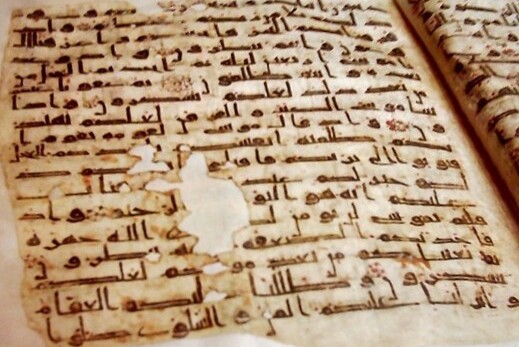
Nestled within the historic walls of Topkapi Palace in Istanbul, the Topkapi manuscript stands as a monumental testament to Islamic heritage and textual history. Often regarded as one of the oldest complete Qurans, its origins and historical significance weave a rich tapestry reflecting the early Islamic period. While it has long been linked to the third caliph Uthman ibn Affan, research indicates it dates back to the 8th century, making it a vital artifact in understanding the evolution of the Quranic text.

### History and Origins The Topkapi manuscript is believed to have been produced during the early to mid-8th century, amidst a flourishing Islamic culture in the Middle East. This period was characterized by significant developments in art, philosophy, and science. The manuscript, along with the Samarkand Kufic Quran, has often been mistakenly considered one of the earliest Qurans, a narrative that has been revised through recent scholarly research.

Historically, the manuscript is thought to have its roots in the tradition established by Uthman, who commissioned the first standardized version of the Quran in 651 CE. This initiative aimed to unify the diverse oral recitations into a single written text, yet the Topkapi manuscript itself emerged over a century later, highlighting the dynamic and evolving nature of Quranic transcription during the early Islamic period.

### Art and Architecture The Topkapi manuscript is not just a religious artifact; it is a stunning example of early Islamic artistry. The manuscript showcases the Kufic script, a bold and angular calligraphic style that originated in the city of Kufa in present-day Iraq. The script's aesthetic appeal lies in its geometric precision and the intricate interlacing of letters, often adorned with elaborate decorations.

The manuscript is housed in the Topkapi Palace, an architectural marvel itself, characterized by its intricate tile work and majestic domes. Constructed in the mid-15th century, the palace served as the primary residence of the Ottoman sultans for nearly 400 years. Here, the manuscript is displayed alongside an array of other precious artifacts, allowing visitors to immerse themselves in the opulence of the Ottoman Empire.

### Local Culture and Traditions Istanbul, with its rich tapestry of history, is a melting pot of cultures and traditions. The Topkapi manuscript is a focal point for Islamic scholarship, and its relevance permeates local customs. Festivals such as Ramadan and Eid al-Fitr see the recitation of the Quran in homes and mosques, underscoring its spiritual significance in daily life.

In the vicinity of the Topkapi Palace, local artisans often showcase their crafts, including calligraphy and tile-making, echoing the artistic traditions that have flourished in this city for centuries. Visitors can engage with these artisans, gaining insights into the painstaking processes behind the creation of Islamic art.

### Gastronomy No visit to Istanbul would be complete without savoring its culinary delights. The area around the Topkapi Palace is dotted with eateries offering traditional Turkish cuisine. Dishes like kebabs, mezes, and baklava are must-tries, with the sweet, flaky pastry often enjoyed alongside a cup of strong Turkish coffee.

For a unique experience, try simit, a sesame-encrusted bread that vendors sell on bustling street corners, or indulge in pide, a Turkish-style pizza with a variety of toppings, perfect for a quick meal while exploring the historic surroundings.

### Lesser-Known Curiosities While the Topkapi manuscript is a highlight, intriguing details often escape the notice of tourists. One such fact is its connection to the Caliphate of Cordoba, where the manuscript’s influence extended beyond the Ottoman Empire, impacting Islamic scholarship in Spain.

Moreover, the manuscript has survived numerous historical upheavals, including political strife and natural disasters, making its preservation a remarkable story of resilience. Another lesser-known aspect is that the manuscript features marginalia—notes made by past readers—which provide insights into the interpretation and usage of the text over the centuries.

### Practical Visitor Information To fully appreciate the Topkapi manuscript, the best time to visit is during the spring (April-May) or fall (September-October) when the weather is mild, and tourist crowds are fewer. Plan your visit during weekdays if possible to avoid the weekend rush.

When visiting, look for guided tours that delve into the history of the manuscript and the palace itself, providing a comprehensive understanding of the significance of these artifacts. Remember to check the specific timings for the museum, as they can vary seasonally.

The Topkapi manuscript offers a unique glimpse into the depths of Islamic history and art, inviting visitors to reflect on the enduring legacy of the Quran and its profound impact on culture. For the best experience, consider using the Secret World app to craft a personalized itinerary that allows you to explore this fascinating site and the vibrant city of Istanbul.

🗺 AI Trip Planner

Plan your visit to Cankurtaran Mh.

Suggested itinerary near Topkapi manuscript:one of the oldest Quran manuscripts

MAJ+
500.000+ travelers worldwide
  1. 🌅
    Morning
    Topkapi manuscript:one of the oldest Quran manuscripts
    📍 Cankurtaran Mh.
  2. ☀️
    Afternoon
    Topkapi Palace
    📍 0 km da Cankurtaran Mh.
  3. 🌆
    Evening
    Istanbul archaeological museums
    📍 0.2 km da Cankurtaran Mh.

Buy Unique Travel Experiences

Powered by Viator

See more on Viator.com

Explore nearby · Cankurtaran Mh.
