
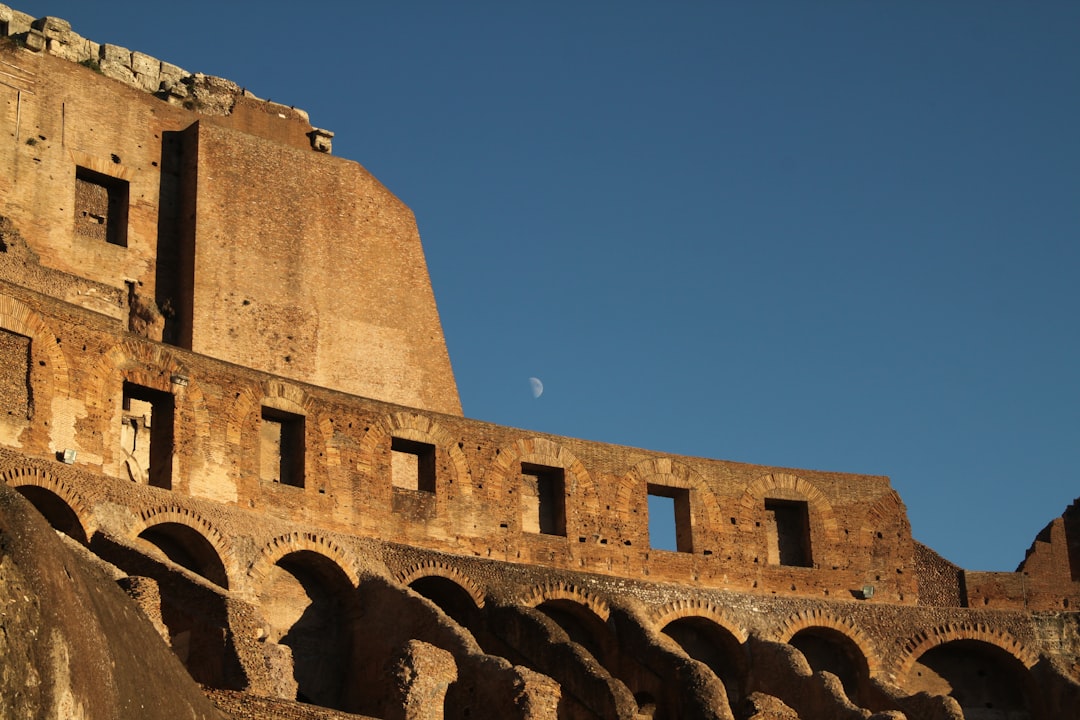

In the pulsating heart of Istanbul, among the remnants of a glorious past, stands an imposing testament to ancient history: the Column of the Serpents. Located within the Hippodrome of Constantinople, this bronze masterpiece dating back to 478 BC tells stories of victories, deities, and myths that have influenced the course of civilization. Each serpent wrapped in a sinuous embrace is not just a decorative element, but a symbol of an era when Greek and Roman culture intertwined in a melting pot of art and tradition.
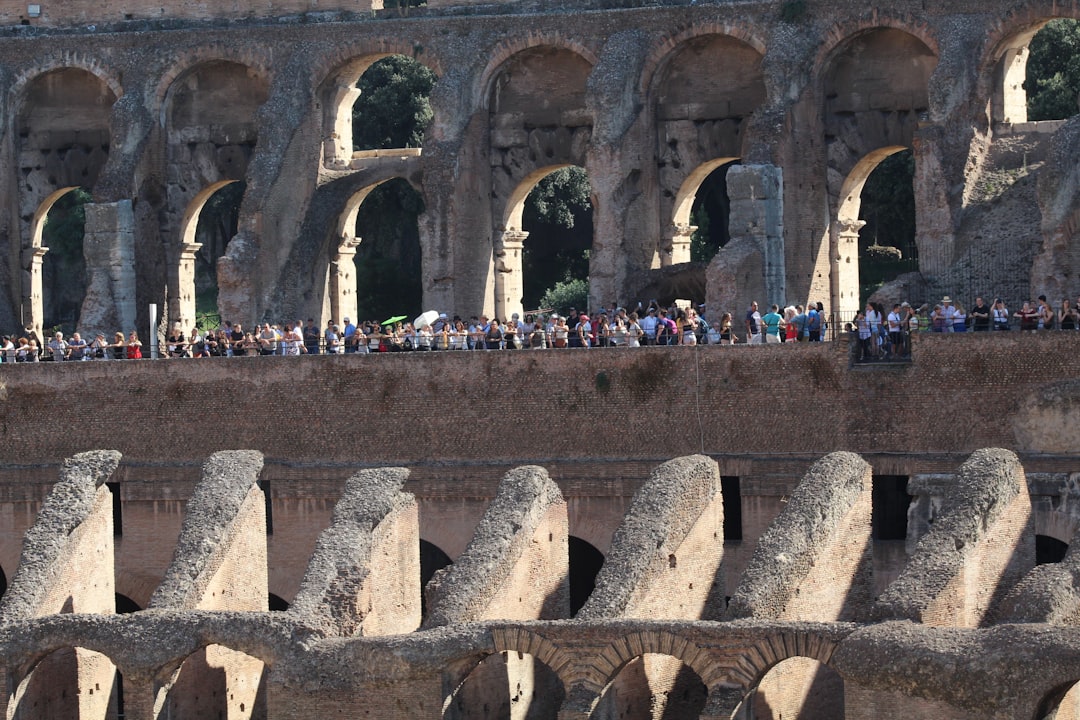
Very close to the entertainment and sports venues of ancient Constantinople, the Column of the Serpents was a monument that celebrated the victory of the Greeks over the Persians in the Battle of Plataea. A work that has traversed the centuries, surviving earthquakes, wars, and even the advent of Christianity. Today, while strolling along the avenues of the Hippodrome, visitors cannot help but be captivated by the majesty of this column, a silent witness to a bygone era.
The Fascinating History of the Column of Serpents
Built to honor the victories of the ancient Greeks, the Column of Serpents represents a link between the past and the present. Made of bronze and adorned with three intertwined serpents, the work has a deep meaning: the serpents symbolize victory and divine protection. Originally, the column was part of a large monument installed in the sanctuary of Delphi, dedicated to Apollo. It was transferred to Constantinople by Constantine the Great, the founder of the city, who desired a symbol of glory and power in his new capital.
Over the centuries, the column has suffered numerous damages. During the Byzantine era, the serpents were reduced to only two, while the third was lost over time. Despite this, the Column of Serpents continues to represent an important testimony of a past that is part of Istanbul's cultural identity, an unmissable symbol of an era that marked the history of humanity.
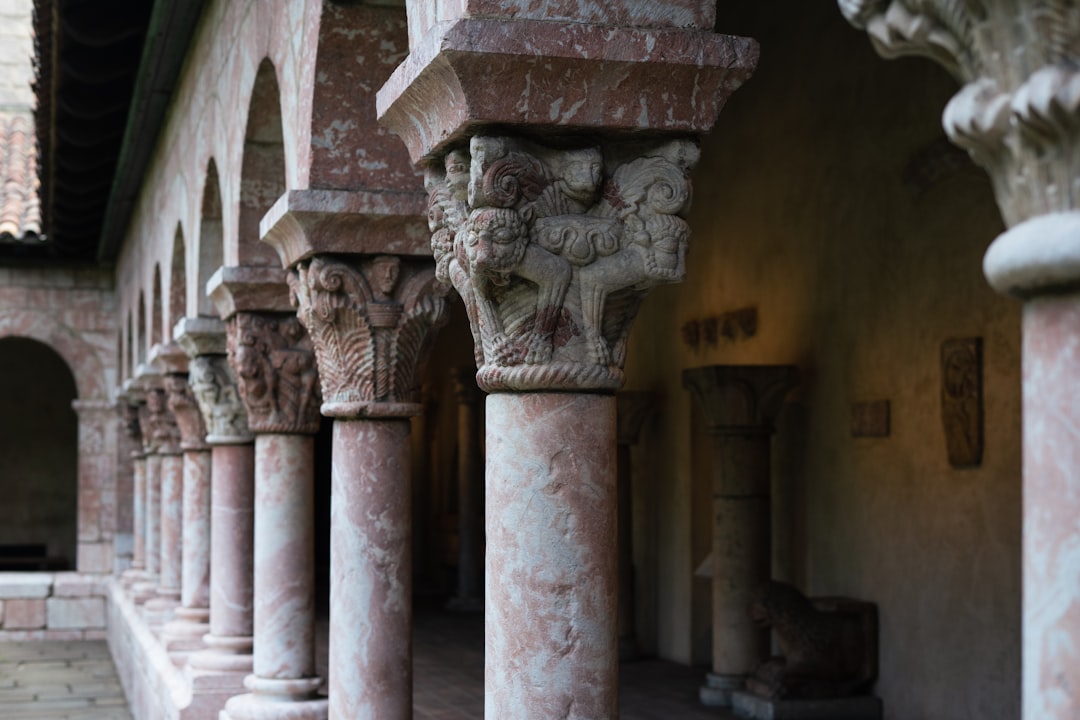
A Monument in the Heart of Istanbul
The Hippodrome of Constantinople, where the Column of the Serpents is located, was once the center of social and political life in the city. With a capacity of tens of thousands of spectators, the hippodrome was not only a place for chariot races but also a space for public celebrations and religious events. Today, the Hippodrome is a charming park open to the public, where one can admire not only the Column of the Serpents but also other emblematic monuments such as the Obelisk of Theodosius and the Fountain of Wilhelm II.
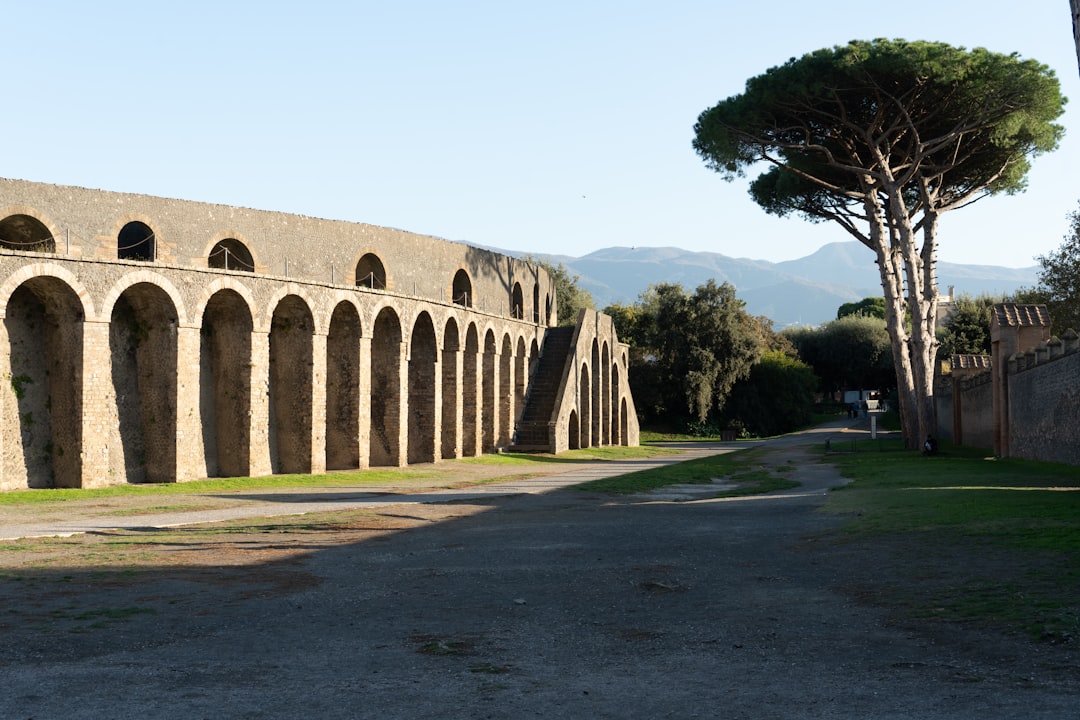
The presence of the Column of the Serpents within this historical context offers visitors a unique experience, a journey through time that leads them to reflect on the roots of Western civilization. The beauty and elegance of this bronze sculpture, combined with its history, make this place a must for any traveler wishing to discover the wonders of Istanbul.
An Experience for All the Senses
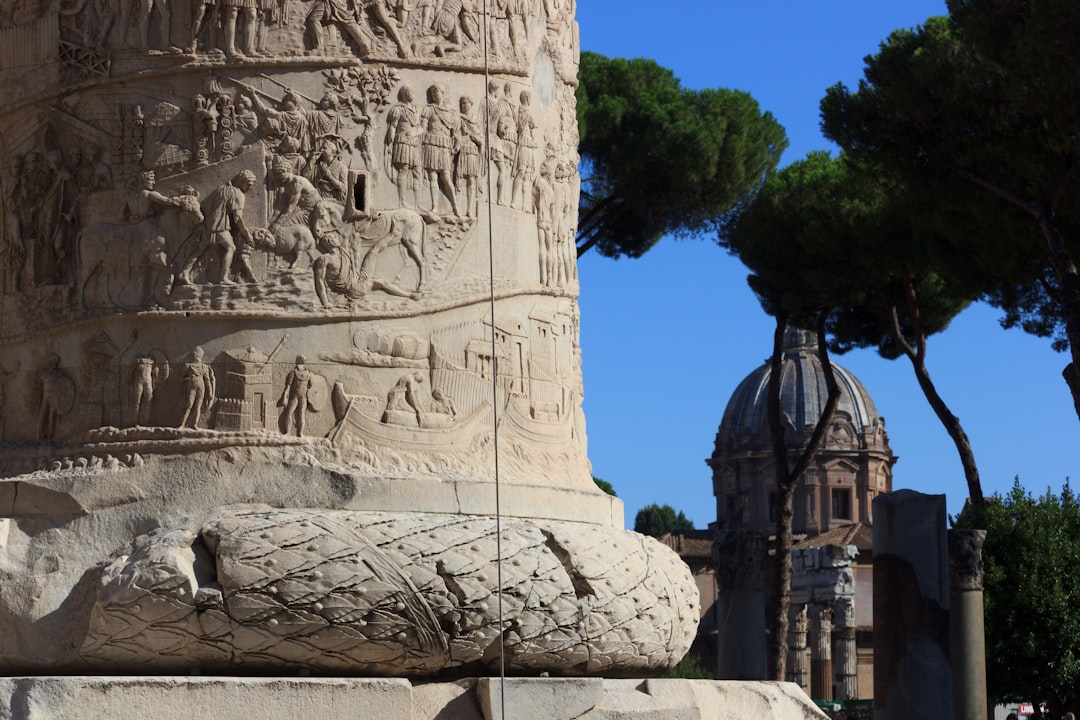
Visiting the Column of the Serpents is not just a passive observation of a work of art; it is a sensory experience that engages all the senses. The lively noise of the surrounding markets, the aroma of spices and Turkish delights, the warmth of the sun kissing the skin: everything contributes to creating a unique atmosphere. Visitors can stroll along the avenues of the Hippodrome, take photographs, and immerse themselves in the history surrounding this monument.
Moreover, the presence of professional tour guides offers the opportunity to deepen the knowledge of the Column of the Serpents and its historical context. Fascinating stories and curiosities about the past of Constantinople allow us to appreciate even more the importance of this location. Whether they are history enthusiasts, art lovers, or simply curious, the Column of the Serpents has something to offer everyone.


