



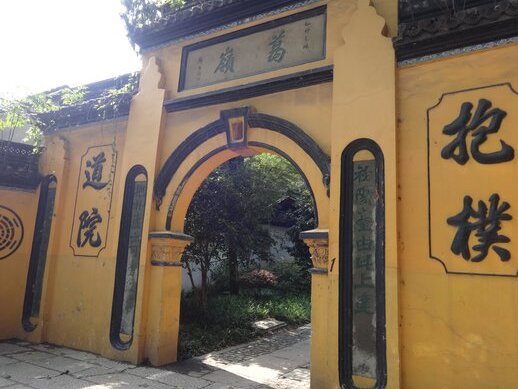
Nestled amidst the lush greenery of Hangzhou Shi, the Baopu Taoist Temple presents an enchanting escape into the heart of Chinese spirituality and history. This serene sanctuary, often overlooked by tourists, offers a glimpse into the profound legacy of Taoism, a religion that has shaped Chinese culture for centuries.
History and Origins
The roots of Taoism trace back to the 2nd century AD, with its philosophical foundations laid by the legendary sage Lao-tzu. He is venerated as the father of Taoism, and his seminal work, *The Book of the Way and Its Virtue*, serves as a cornerstone of this ancient belief system. The Baopu Taoist Temple, which translates to "Temple of the Preserving Emptiness," was established in the 4th century AD, during the Eastern Jin Dynasty, making it one of the oldest Taoist sites in the region.
The temple is particularly renowned for its association with Ge Hong, a revered alchemist and scholar who sought the elixir of immortality. He spent years meditating and practicing alchemy in this very locale, which imbues the temple with a sense of mystique and historical significance. Ge Hong’s quest for eternal life remains a compelling narrative, echoing through the ages and adding layers to the temple's importance.
Art and Architecture
The architectural style of Baopu Taoist Temple is a beautiful representation of traditional Chinese temple design, characterized by ornate wooden facades and upturned grey slate roofs that create a harmonious balance with the surrounding nature. Each structure within the temple complex is adorned with intricate carvings and vibrant murals depicting Taoist deities and mythological scenes, reflecting the artistic prowess of ancient craftsmen.
One of the most striking features of the temple is the grand hall, where visitors can find a statue of Ge Hong, symbolizing the pursuit of wisdom and enlightenment. The interplay of light and shadow in the temple’s courtyards, coupled with the fragrant incense that wafts through the air, creates a tranquil atmosphere, inviting contemplation and reverence.
Local Culture and Traditions
Taoism is woven deeply into the cultural fabric of the region, influencing local customs and traditions. Festivals dedicated to various deities celebrated at the temple draw devotees who come to pay their respects, seeking blessings and spiritual guidance. One such event is the Taoist Lantern Festival, held annually, where colorful lanterns illuminate the temple grounds, symbolizing the light of wisdom illuminating the darkness of ignorance.
Visitors may also witness traditional rituals performed by local Taoist priests, who offer prayers and conduct ceremonies that have been passed down through generations. These practices not only foster a sense of community but also serve as a living testament to the enduring legacy of Taoist philosophy.
Gastronomy
A visit to Baopu Taoist Temple would be incomplete without indulging in the local gastronomy. The nearby streets are lined with vendors selling vegetarian dishes, reflecting the Taoist principle of non-violence. Buddha’s Delight (Luohan Zhai), a medley of fresh seasonal vegetables, mushrooms, and tofu, is a popular dish among visitors and locals alike.
Tea culture also thrives in Hangzhou, with the region being famous for its Longjing tea (Dragon Well tea). Visitors can partake in a traditional tea ceremony, where the delicate flavors and aromas of this renowned beverage are celebrated, further enhancing the spiritual experience at the temple.
Lesser-Known Curiosities
One of the temple's hidden treasures is a small, seemingly inconspicuous stone tablet that bears inscriptions of Taoist scriptures. Many visitors overlook it, but those who take the time to read the carvings will find profound wisdom etched in ancient characters. Additionally, the temple’s gardens are home to rare species of plants traditionally used in Taoist herbal medicine, showcasing the harmonious relationship between nature and spirituality that Taoism espouses.
Another fascinating aspect is the temple’s role as a center for alchemical studies during the Tang Dynasty. Many scholars frequented the site, hoping to unlock the secrets of immortality, turning the temple into a hub of intellectual pursuit and mystical exploration.
Practical Visitor Information
The best time to visit Baopu Taoist Temple is in the spring and autumn months when the weather is mild, and the surrounding foliage is at its most vibrant. Weekdays tend to be less crowded, allowing for a more contemplative experience.
When visiting, be sure to look for the beautifully crafted wooden statues of various deities, the serene gardens, and the mesmerizing flow of incense smoke in the courtyards. A stroll along the winding paths will not only offer picturesque views but also provide moments of quiet reflection amidst the chaos of modern life.
For those planning a trip to Hangzhou Shi, utilizing an app like Secret World can be a great way to personalize your itinerary and ensure you don’t miss out on the wonders that Baopu Taoist Temple has to offer.
