



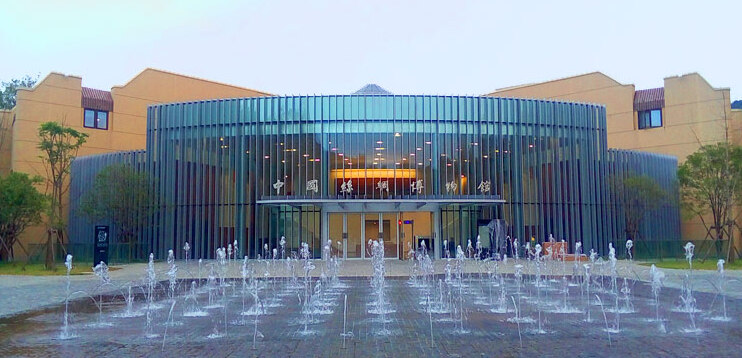
Nestled in the picturesque city of Hangzhou, the China National Silk Museum serves as a vibrant tribute to the rich tapestry of China’s silk heritage. This museum, located just south of the serene West Lake, is not just a repository of artifacts; it is a living chronicle of an industry that once defined the economic and cultural fabric of the nation.
History and Origins
The origins of silk production in China date back over 5,000 years, with archaeological evidence suggesting that silk was first developed during the Neolithic era. According to legend, the discovery of silk is attributed to Empress Leizu, who stumbled upon the delicate fibers while sipping tea under a mulberry tree. For centuries, Hangzhou thrived as a hub for silk trade, especially during the Song Dynasty (960-1279 AD), when the city became renowned for its exquisite silk garments and luxurious textiles.
The China National Silk Museum was officially established in 1992, aiming to preserve and promote this intricate heritage. With its opening, the museum became a vital center for silk research and education, showcasing not only the history of silk but also the artistry involved in its production. Key events in the museum's evolution include the hosting of international silk exhibitions and conferences that further illuminate the global significance of this ancient craft.
Art and Architecture
The architectural design of the China National Silk Museum reflects a harmonious blend of traditional Chinese aesthetics and modern functionality. The museum is characterized by sweeping roofs and spacious galleries that mimic the fluidity of silk itself. As you wander through its halls, you will encounter stunning displays of silk garments, intricate embroidery, and historic looms that tell the story of craftsmanship through the ages.
One of the museum’s highlights is the Silk Road Gallery, where visitors can explore the far-reaching impact of silk on trade and culture. Artifacts such as ancient paintings and textiles not only showcase artistic significance but also illustrate how silk influenced fashion and social status across different dynasties. The museum’s collection, which includes over 100,000 pieces, is one of the largest and most comprehensive in the world.
Local Culture and Traditions
Silk is deeply entwined with the cultural identity of Hangzhou and the surrounding regions. Local customs revolve around the production and use of silk in traditional clothing, especially during significant events and festivals. The annual Hangzhou Silk Festival, typically held in the spring, celebrates this heritage with vibrant parades, fashion shows, and workshops that allow visitors to engage with artisans.
The museum also offers insights into local craftsmanship, including Su embroidery and Shu brocade, both recognized as intangible cultural heritage by UNESCO. These art forms are not just skillful practices; they encapsulate the stories and traditions of the communities that continue to honor them.
Gastronomy
No visit to Hangzhou would be complete without indulging in its culinary delights, many of which are intricately linked to its silk heritage. Local specialties such as Longjing tea (Dragon Well tea) and Dongpo pork pay homage to the city’s historical significance. The delicate flavors and presentation of these dishes mirror the refinement found in silk textiles.
Street vendors often sell silk-smooth dumplings, which are a popular snack among locals and visitors alike. These dumplings, filled with various ingredients, are often steamed to perfection, offering a taste of the region’s culinary artistry.
Lesser-known Curiosities
While the museum showcases its extensive collection, some lesser-known details may pique your interest. For instance, did you know that the ancient Chinese used silk not just for clothing but also for military purposes? Silk armor was highly prized for its lightweight properties, providing both protection and comfort for warriors.
Another intriguing aspect is the process of silk production itself. The life cycle of the silkworm, from cocoon to moth, is a fascinating journey that requires meticulous care and knowledge. Visitors to the museum can often witness live demonstrations of silk reeling, showcasing the intricate techniques that have been passed down through generations.
Practical Visitor Information
The best time to visit the China National Silk Museum is during the spring and autumn months, when the weather is mild and pleasant. Weekdays tend to be less crowded, allowing for a more immersive experience. Be sure to look for the museum’s rotating exhibitions, which often feature contemporary artists and innovations in silk art.
As you explore, take note of the informative plaques and guided tours available in multiple languages. They provide valuable context and stories behind the exhibits, enhancing your understanding of this beautiful craft.
To fully embrace the experience of Hangzhou, consider exploring nearby attractions such as West Lake and the Lingyin Temple. Each offers a glimpse into the city’s history and culture, complementing your visit to the silk museum.
Whether you are a history buff, an art enthusiast, or a culinary explorer, the China National Silk Museum promises an enriching experience that weaves together the threads of China’s past and present. To enhance your journey, consider using the Secret World app for a personalized AI itinerary that will guide you through the wonders of Hangzhou Shi.
