



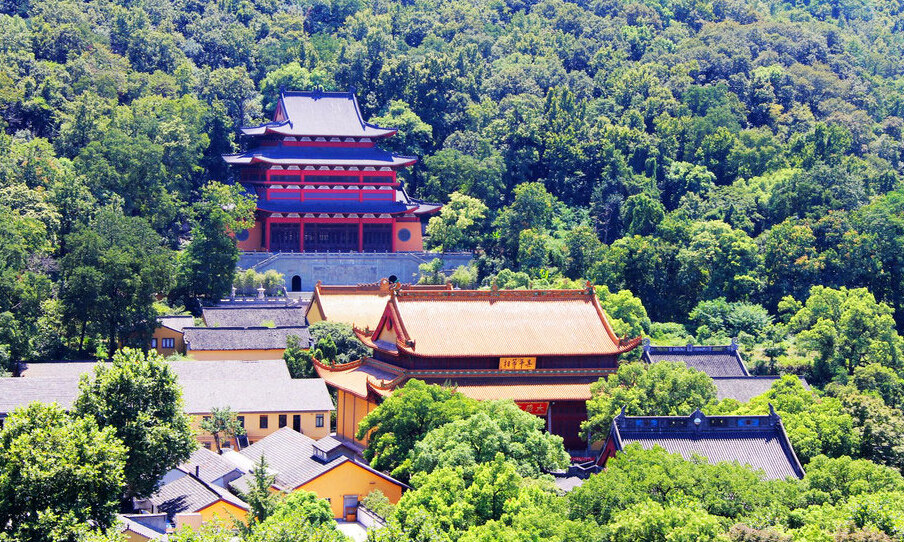
Nestled against the verdant hillside opposite the iconic Leifeng Pagoda, Jingci Temple is a serene Buddhist monastery that offers a glimpse into the rich spiritual tapestry of Hangzhou Shi, China. This tranquil sanctuary not only serves as a place of worship but also encapsulates centuries of history, art, and culture.
### History and Origins
Jingci Temple was originally founded in 978 AD during the Song Dynasty under the reign of Emperor Taizu. The temple’s name, which translates to "Temple of Silent Compassion," reflects its purpose as a refuge for meditation and spiritual contemplation. Over the centuries, it has survived numerous historical upheavals, including wars and natural disasters, each time rising from the ashes to reclaim its status as a vital religious site.
One of the temple's significant historical claims is its association with Nampo Jōmyō, a Japanese monk who traveled to this site in the early 13th century. It is said that he learned about Zen Buddhism here before returning to Kyoto, thus marking the start of Zen's profound influence on Japanese spirituality and culture. This historical connection adds an intriguing layer to the temple's legacy, making it a pilgrimage point for those tracing the roots of Zen.
### Art and Architecture
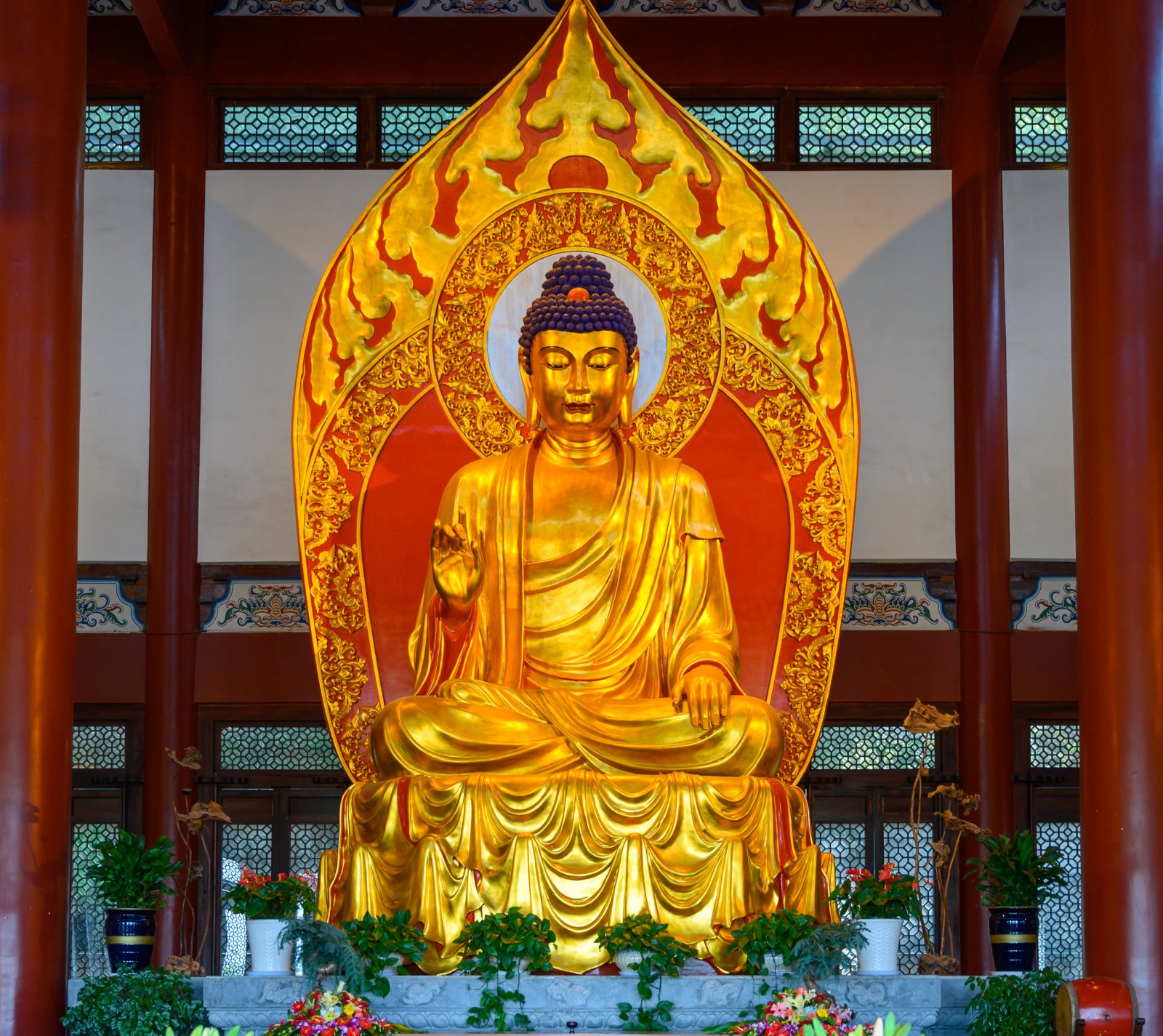
The architectural style of Jingci Temple reflects the grandeur of traditional Chinese temple design, characterized by sweeping eaves, intricate wooden carvings, and vibrant colors. The main hall houses an impressive statue of Sakyamuni, the historical Buddha, which towers majestically and invites visitors to reflect on their spiritual journey.
Adjacent to the main hall is the extraordinary 1000-arm statue of Guanyin, the bodhisattva of compassion. This magnificent artwork is not only visually stunning but also symbolizes the boundless compassion Guanyin offers to all beings. Each arm is uniquely designed, holding different implements that represent her ability to assist those in need. The artistry involved in creating these statues is a testament to the skilled craftsmanship that has been passed down through generations.
### Local Culture and Traditions
Jingci Temple plays a vital role in the local culture of Hangzhou. The temple is not just a spiritual haven but also a hub for community gatherings and traditional festivals. One of the most celebrated events is the Buddha's Birthday, which usually falls in April or May. During this time, devotees gather to participate in rituals that include bathing the Buddha statue and engaging in meditation and chanting.
Visitors to the temple will also encounter various local customs, such as the practice of offering incense and flowers at the foot of the statues. This act is a gesture of respect and devotion, allowing patrons to seek blessings and express gratitude.
### Gastronomy
While Jingci Temple itself does not offer food, the surrounding neighborhoods of Hangzhou are rich in culinary delights. The area is famous for its Longjing tea, known as Dragon Well Tea, which is often served during tea ceremonies within the temple. This delicate green tea has a refreshing taste and is considered one of China’s best.
In addition to tea, local specialties like Beggar's Chicken—a dish where chicken is wrapped in lotus leaves and baked in clay—are popular among visitors. The flavors of Hangzhou's cuisine reflect the region’s rich agricultural heritage, and sampling these dishes adds another layer to the cultural experience of visiting the temple.
### Lesser-Known Curiosities
Despite its serene atmosphere, Jingci Temple harbors numerous hidden stories that many tourists may overlook. For instance, the temple’s beautiful gardens are not just for aesthetics; they are designed to symbolize the harmony between nature and spirituality. The layout of the garden is carefully crafted to enhance meditation and reflection.
Another interesting fact is that the temple was almost lost during the Cultural Revolution in China, yet it managed to survive due to the dedication of local monks and community members who safeguarded its heritage. This spirit of resilience is palpable as you walk through its tranquil grounds.
### Practical Visitor Information
The best time to visit Jingci Temple is during spring (March to May) or autumn (September to November) when the weather is mild, and the surrounding landscape is awash with vibrant colors. Early mornings are particularly peaceful, offering a more contemplative atmosphere before the crowds arrive.
When visiting, it’s advisable to dress modestly, as a sign of respect for the sacred space. Take time to explore the temple's various halls, and don’t forget to immerse yourself in the gardens, where you can partake in quiet reflection.
For those wishing to deepen their experience, consider participating in a meditation session led by the resident monks, providing an opportunity to connect with the temple’s spiritual essence.
Whether you're drawn by the allure of history, the beauty of art, or the serenity of spiritual practice, Jingci Temple is a destination that promises a rich experience that resonates long after you depart.
To make the most of your visit to Hangzhou Shi, consider using the Secret World app to craft a personalized AI itinerary tailored to your interests.
