



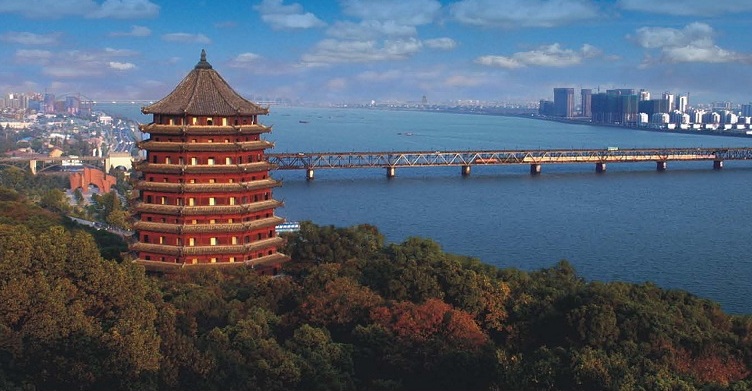
Nestled on the banks of the picturesque Qiantang River, the Six Harmonies Pagoda (Liuhe Pagoda) stands as a testament to the rich tapestry of history and culture in Hangzhou, China. This majestic structure, soaring 60 meters (197 feet) high, was originally constructed during the Song Dynasty in 960 CE and has witnessed centuries of change, serving as both a beacon for mariners and a symbol of local folklore.
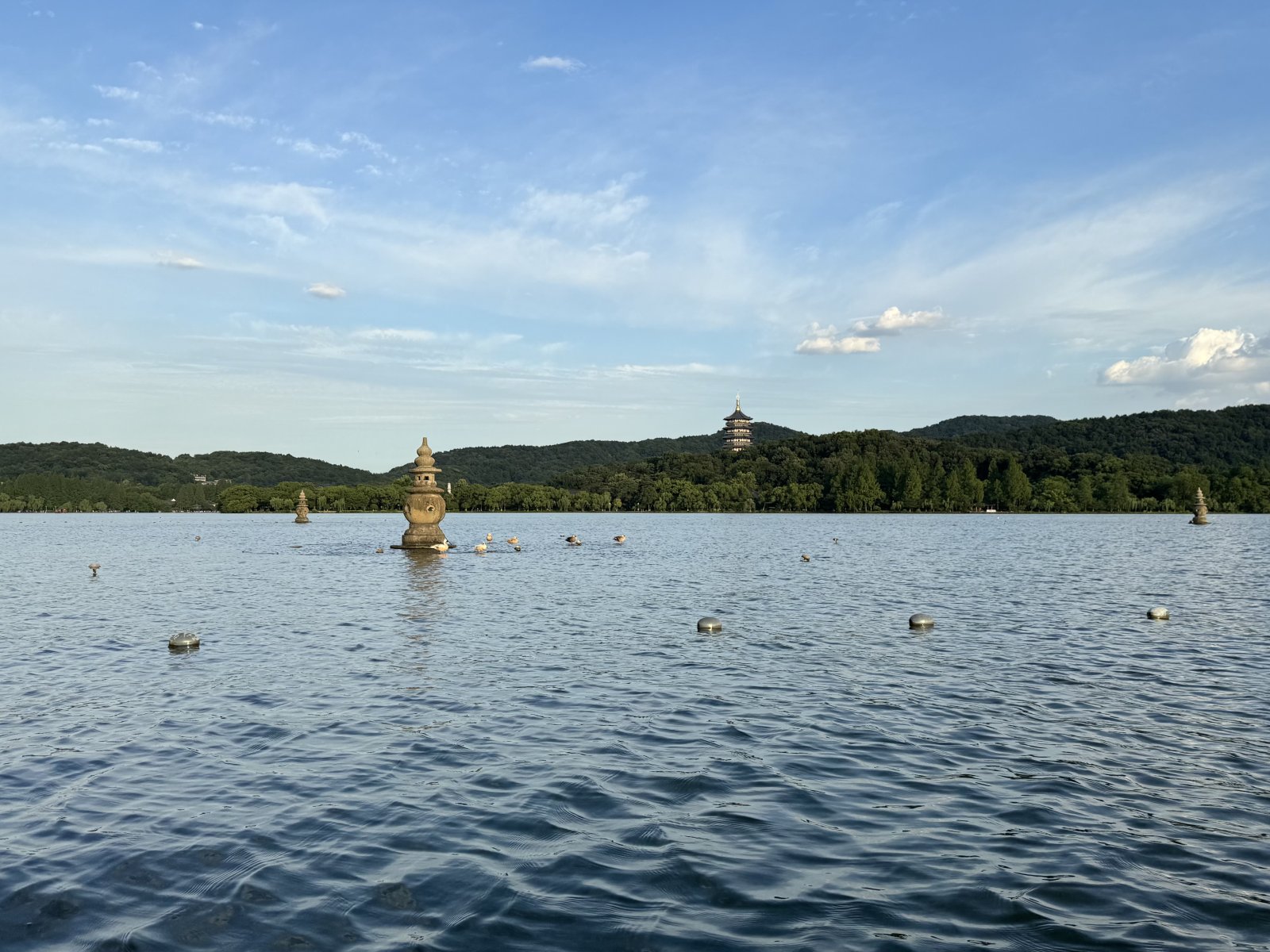
The pagoda’s origins are steeped in legend and purpose. Built to ward off the powerful tidal bore that surges along the river, the pagoda was believed to possess magical abilities to halt this natural phenomenon. The Qiantang River’s tidal bore, known to thunder dramatically twice a month, remains a thrilling display of nature that draws visitors and locals alike. Historically, the pagoda functioned as a lighthouse, guiding boats safely through treacherous waters, which reflects the ingenuity of ancient Chinese architecture and maritime practices.
Architecturally, the Six Harmonies Pagoda showcases a stunning octagonal design, typical of many pagodas throughout China. Its tiered eaves and intricate wooden carvings highlight the artistry of the period, while the use of bricks and wood reflects the materials available at the time. The pagoda’s structure is not only aesthetically pleasing but also functionally significant, with each level offering panoramic views of the surrounding landscape. Inside, visitors can find intricately designed wooden sculptures and inscriptions that tell stories of the past, each telling a tale of the pagoda's enduring presence.
As visitors stroll through the surrounding gardens and terraces, they are greeted by a series of small shrines and pavilions that enhance the serene atmosphere. The area is often visited by locals who come to pay their respects and engage in traditional practices, such as tai chi and meditation. The nearby paths are lined with ancient trees and fragrant flowers, creating a tranquil environment that invites reflection and appreciation of the natural beauty.
The culture of Hangzhou is vibrant and deeply rooted in tradition. Festivals dedicated to the pagoda and the river, such as the Qiantang River Tide Watching Festival, celebrate the breathtaking tidal bore phenomenon. During this time, locals gather to witness the majestic waves while enjoying traditional performances and local delicacies. The pagoda itself becomes a gathering point, where families and tourists alike come to marvel at the spectacle that has unfolded for generations.
Speaking of local delicacies, Hangzhou is renowned for its exquisite cuisine. The area is famous for dishes such as Dongpo Pork, a rich braised pork belly named after the famous poet Su Dongpo, and West Lake Fish in Vinegar Gravy, which highlights the region's use of fresh ingredients sourced from the nearby lake and river. Don't miss the chance to sample Longjing Tea, one of China’s most celebrated teas, which is produced in the lush fields surrounding Hangzhou. These culinary treasures beautifully complement a visit to the pagoda, allowing visitors to immerse themselves fully in the local culture.
While many tourists flock to the iconic sites, some lesser-known curiosities about the Six Harmonies Pagoda often go unnoticed. For instance, the pagoda has been rebuilt multiple times throughout its history, with the current structure dating back to the early 20th century after suffering damage during various conflicts. Additionally, the pagoda is said to be constructed in a way that allows it to withstand earthquakes, showcasing the advanced engineering skills of its creators. Many visitors also miss the chance to explore the nearby Liuhe Pagoda Park, a charming green space that offers further insights into the region's natural beauty and history.
For those planning a visit, the best time to experience the Six Harmonies Pagoda is during the late spring and early autumn months when the weather is mild and the gardens are in full bloom. Arriving early in the morning or late in the afternoon allows for a peaceful experience, free from the bustling crowds. Visitors should take a moment to explore the intricate carvings and inscriptions within the pagoda, as well as enjoy the stunning views from its upper levels.
As you wander through the harmonious blend of nature and architecture at the Six Harmonies Pagoda, remember to take in the rich history and vibrant culture that surrounds you. To enhance your journey through Hangzhou, consider using the Secret World app to create a personalized AI itinerary tailored to your interests.
