
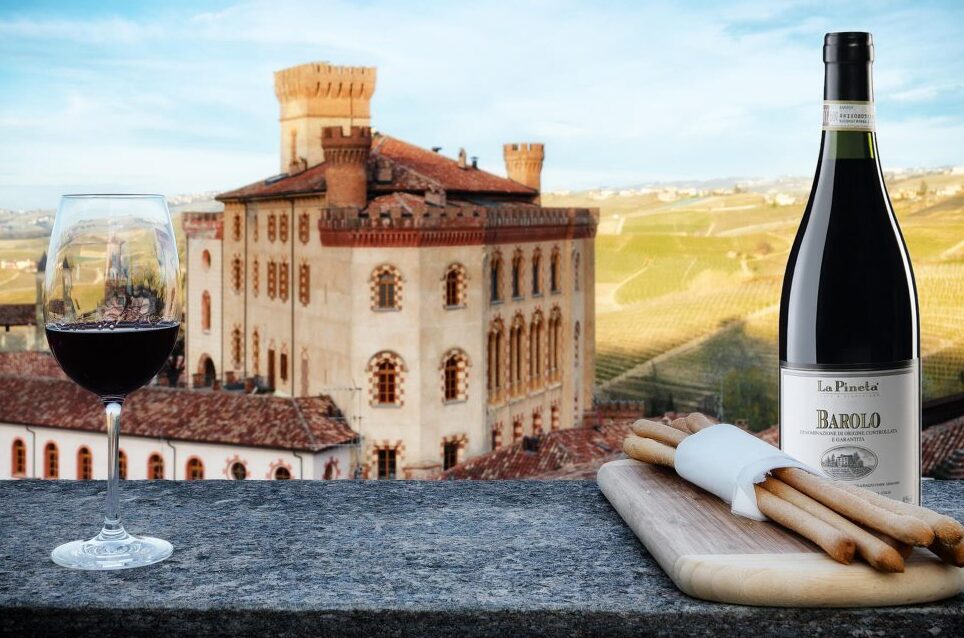

Nestled in the stunning Langhe hills of Piedmont, Barolo is often referred to as the "King of Wines." This title is not merely a marketing gimmick; it is deeply rooted in the region's rich history, culture, and exceptional wine-making tradition.

The origins of Barolo wine date back to the early 19th century, though the vine itself has a history that stretches back to ancient Roman times. The first documented mention of Nebbiolo grapes in the region can be traced to the 12th century, when the monks of the nearby Abbey of Novello cultivated the vine. However, it wasn't until the 1800s that Barolo truly rose to prominence, thanks in large part to Marchese Carlo Tancredi Falletti, who played a pivotal role in modernizing viticulture techniques. His partnership with the oenologist Cav. Bartolomeo Borgogno marked a turning point, as they began to produce wines that showcased the nobility of Nebbiolo, leading to Barolo's formal recognition as a controlled designation of origin in 1933.
Architecturally, Barolo is a feast for the eyes. The village itself is characterized by traditional Piedmontese buildings, featuring terracotta roofs and stone facades. The Castle of Barolo, dating back to the 10th century, stands as a testament to the region's historical significance. Today, it houses the WiMu (Wine Museum), which beautifully intertwines the history of Barolo winemaking with interactive exhibits. Additionally, the nearby Torre di Barolo offers panoramic views that showcase the breathtaking landscape of vineyards and rolling hills that define this wine-producing region.

Local culture is deeply intertwined with the wine. Harvest festivals, such as the Fiera del Tartufo in nearby Alba, celebrate the richness of the region's produce, including truffles and wines. These vibrant festivities are marked by tastings, music, and folklore, allowing visitors to experience the warmth of the Piedmontese community. Additionally, the Palio di Asti, a historic horse race held in nearby Asti, draws visitors from around the world, further emphasizing the region's festive spirit and local pride.
Barolo does not just offer a world-class wine; it also boasts a rich gastronomic landscape. The typical local cuisine pairs beautifully with the wine, featuring dishes like Tajarin, a thin pasta often served with a rich meat sauce, and Brasato al Barolo, a slow-cooked beef dish marinated in Barolo wine itself. Local cheeses, such as Toma Piemontese, complement the deep flavors of Barolo, creating a harmonious dining experience. For dessert, indulge in Bunet, a traditional chocolate pudding that provides a sweet finish to a rich meal.
While many visitors flock to the well-known vineyards, Barolo hides a tapestry of lesser-known stories. For instance, one might stumble upon the charming Vigna Rionda, a historic vineyard known for its unique microclimate, which contributes to the wine's exceptional complexity. Additionally, the village is home to the “Barolo Boys”, a group of winemakers who revolutionized Barolo in the 1980s and 1990s, pushing the boundaries of traditional vinification methods. Their innovative approaches have helped put Barolo on the global wine map.
The best time to visit Barolo is during the harvest season in late September to early October when the vineyards are alive with activity and the air is fragrant with the promise of new wine. Spring, particularly April to June, is also a beautiful time, as the landscape bursts into bloom and the weather is pleasantly mild. When visiting, be sure to explore the charming local wineries, many of which offer tastings and tours, allowing you to savor the nuances of Barolo wine directly from its source.
For an unforgettable experience in Barolo, consider delving deeper into its hidden gems and personalized experiences. The Secret World app can guide you in crafting a unique itinerary that reveals the rich tapestry of this enchanting region.


