
🎄 Win a month in Italy for two — €10,000 · The Secret Italy Prize GO →
← Back

G. B. Adriani Civic Museum

G. B. Adriani Civic Museum — Cherasco, Italia.

Via dell Ospedale, 40, 12062 Cherasco CN, Italia ★★★★☆ 162 views
Renee Carlington
Cherasco
🏆 AI Trip Planner 2026

Get the free app

Discover the best of Cherasco with Secret World — the AI trip planner with 1M+ destinations. Get personalized itineraries, hidden gems and local tips. Free on iOS & Android.

🧠 AI Itineraries 🎒 Trip Toolkit 🎮 KnowWhere Game 🎧 Audio Guides 📹 Videos
Scan to download iOS / Android
Scan for AppGallery Huawei users

About G. B. Adriani Civic Museum

G. B. Adriani Civic Museum - Cherasco | Secret World Trip Planner

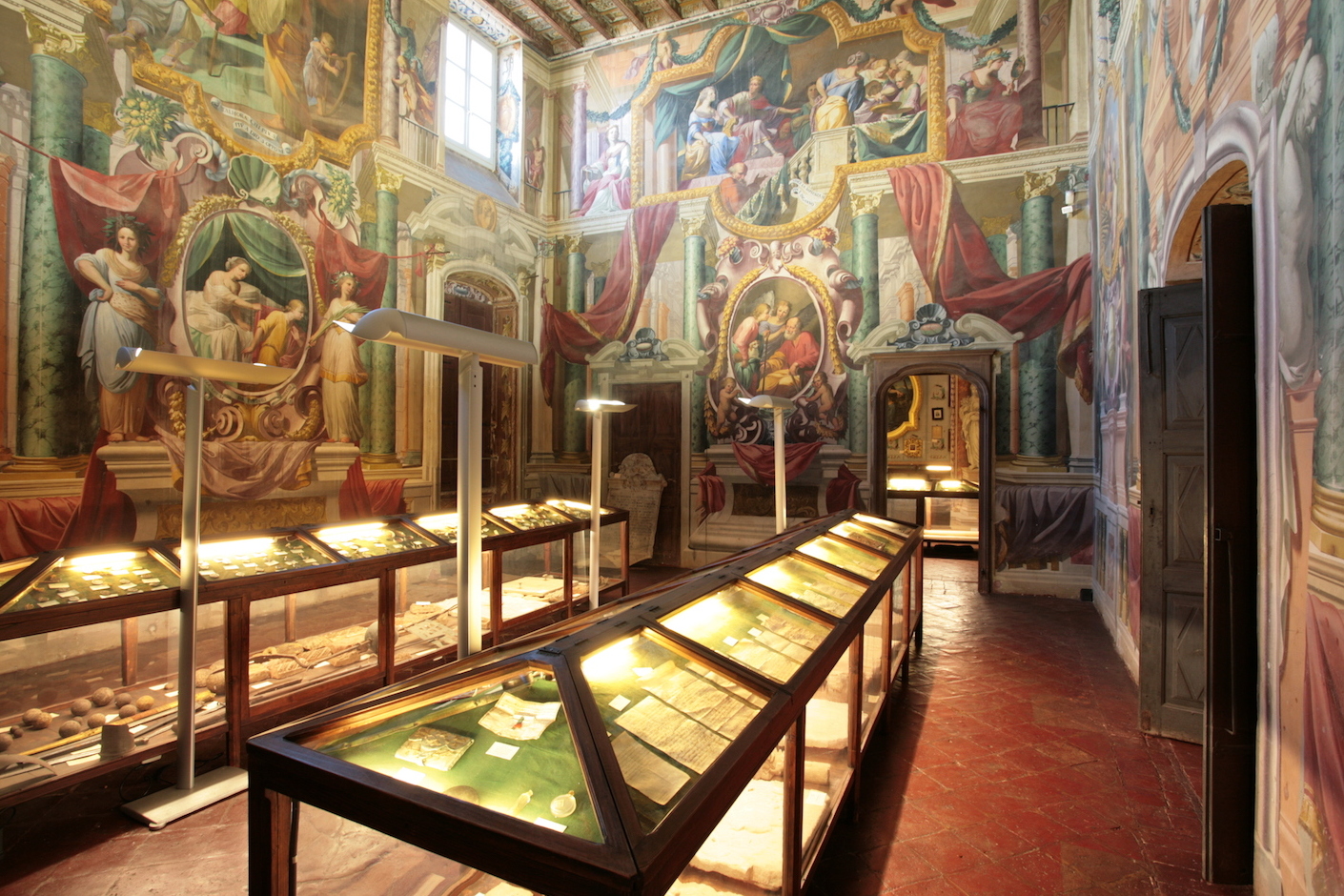
Nestled in the charming town of Cherasco, the G. B. Adriani Civic Museum invites visitors to embark on a journey through time, revealing the rich tapestry of Piedmontese history and culture. Housed in the seventeenth-century Palazzo Gotti di Salerano, this museum is a treasure trove of artifacts, documents, and artworks that reflect the region's historical significance and artistic heritage.

### History and Origins

The museum is named after Giovanni Battista Adriani, a prominent historian whose extensive collection forms the backbone of the museum's exhibits. Established in the mid-twentieth century, the Civic Museum became a significant repository for local and Piedmontese history. The Palazzo Gotti, where the museum is located, has its own historical narrative. Built in the late 1600s, it served as a gathering place for the Piedmontese Senate during the siege of Turin in 1706, highlighting its role in crucial historical events.

Cherasco itself has ancient roots, dating back to Roman times, and has witnessed numerous historical transformations. The town was a strategic military site, and its significance increased during the Treaty of Cherasco in 1631, which marked an essential turning point in the political landscape of Northern Italy.

### Art and Architecture

The architectural style of the Palazzo Gotti is a splendid example of Baroque design, characterized by its ornate details and grandiosity. As you step inside, you are greeted by frescoed ceilings painted by the talented Taricco between 1672 and 1681, which depict vibrant scenes that transport you to a different era.

The museum's collection features an array of ancient objects, including statuettes, amphorae, and cinerary urns, which provide insight into the daily lives and beliefs of the people who once inhabited this region. The numismatic collection is particularly noteworthy, encompassing coins from various eras—Greek, Roman, and both Italian and foreign coins—each with its own story to tell.

### Local Culture and Traditions

Cherasco is renowned for its rich traditions, particularly its famous “Baci di Cherasco”, a delectable hazelnut cookie filled with chocolate. The town also celebrates various festivals throughout the year, such as the Fiera Nazionale del Tartufo (National Truffle Fair) in October, which attracts food lovers and locals alike, showcasing the region's culinary prowess.

The local customs are steeped in history, with many traditions rooted in the agricultural practices of the area. Cherasco's residents take pride in their artisanal crafts, and the museum plays an essential role in preserving this heritage, educating visitors about the historical significance of local customs and practices.

### Gastronomy

The culinary scene in Cherasco is a delightful reflection of its rich agricultural landscape. Visitors can savor traditional dishes such as Bagna Cauda, a warm dip made from garlic, anchovies, and olive oil, typically served with seasonal vegetables. The town is also famous for its Barolo wines, a robust red that pairs perfectly with local cheeses and meats.

Dining in Cherasco is an experience in itself, with many trattorias and osterias offering authentic Piedmontese cuisine. Be sure to try the Tajarin, thin pasta served with a rich ragù, and don’t miss out on the local cheeses, which are an integral part of the culinary landscape.

### Lesser-Known Curiosities

One of the lesser-known facts about the G. B. Adriani Civic Museum is its role as a center for scholarly research. The museum not only houses artifacts but also serves as a hub for historians and students who come to study the region's history. Additionally, the museum occasionally hosts temporary exhibitions that showcase different aspects of Piedmontese culture, making each visit a unique experience.

Another surprising detail is the museum's connection to the local community. The residents of Cherasco have contributed to the museum’s growth, sharing their own artifacts and stories, which have enriched the museum's narrative and fostered a sense of pride among locals.

### Practical Visitor Information

The best time to visit the G. B. Adriani Civic Museum is during the spring and early autumn months when the weather is pleasant for exploring the town’s picturesque streets. The museum is typically open from Tuesday to Sunday, with extended hours during the summer months.

When visiting, take your time to appreciate the intricate frescoes and the diverse collections. Don't hesitate to engage with the staff, who are often more than willing to share stories and insights about the exhibits.

###

For a personalized experience in Cherasco, consider using the Secret World app to plan your itinerary seamlessly.

🗺 AI Trip Planner 2026 🎄 Win a month in Italy — €10,000 →

Plan your visit to Cherasco

Suggested itinerary near G. B. Adriani Civic Museum

MAJ+
500.000+ travelers worldwide
  1. 🌅
    Morning
    G. B. Adriani Civic Museum
    📍 Cherasco
  2. ☀️
    Afternoon
    The Synagogue and the Jewish Cemetery of Cherasco
    📍 0.2 km · Cherasco
  3. 🌆
    Evening
    Bra | Bicycle Museum
    📍 3.9 km · Cherasco

Buy Unique Travel Experiences

Powered by Viator

See more on Viator.com

Explore nearby · Cherasco

Frequently Asked Questions

Giovanni Battista Adriani was a prominent historian whose extensive personal collection forms the foundation of the museum's exhibits. The Civic Museum, established in the mid-twentieth century, was named in his honor to recognize his significant contributions to documenting and preserving Piedmontese history and culture.
Built in the late 1600s, this stunning Baroque palace features ornate architectural details and frescoed ceilings painted by artist Taricco between 1672 and 1681. The palazzo served as a gathering place for the Piedmontese Senate during the siege of Turin in 1706, making it a significant historical landmark in its own right.
The museum houses an impressive collection of ancient objects including statuettes, amphorae, and cinerary urns that provide insight into daily life and beliefs of people from Roman times and beyond. The museum also features a particularly noteworthy numismatic collection containing coins from various historical eras.
Cherasco dates back to Roman times and gained prominence as a strategic military site, especially following the Treaty of Cherasco in 1631, which marked a turning point in Northern Italian politics. While specific visiting hours aren't mentioned in the content, visiting during spring or fall would be ideal to explore both the museum and the charming medieval town without summer crowds.
Visitors will encounter a rich collection of artifacts, documents, and artworks reflecting Piedmontese history and culture, along with stunning Baroque frescoes on the palace ceilings. The exhibits span from ancient Roman objects to medieval documents, offering a comprehensive journey through the region's historical development and artistic heritage.
Secret World Hidden places, real stories — plan your trip
Get the app
