


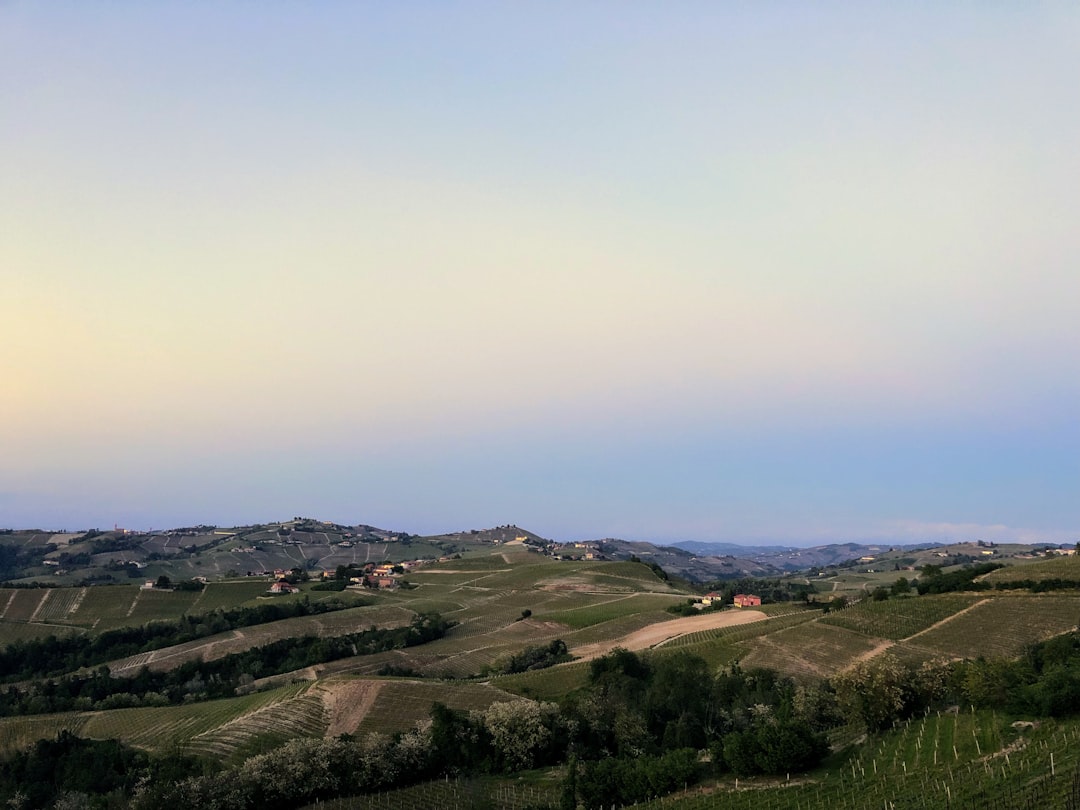
In the heart of the Langhe, in Monforte d'Alba, sweet hills covered by a cloak of vineyards unfold, telling millennia-old stories of passion and tradition. Here, the soil is not just ground, but an authentic treasure chest of terroir, where each grape variety takes root in a unique landscape. The Langhe are famous for their fine wines, Barolo and Barbaresco, which conquer the palate and heart of wine enthusiasts from all over the world.

Visiting them is an experience that goes beyond simple tasting; it is a sensory journey that involves sight, smell, and taste. As one immerses in the rows of vines, the deep bond between man and the land is perceived, a connection that is reflected in the complexity and richness of these extraordinary wines.
The Terroir of the Langhe

The Langhe, a UNESCO World Heritage site, offers a unique terroir, where climate, soil, and tradition intertwine in a perfect balance. The region benefits from a continental climate, with cold winters and hot summers, contributing to a slow maturation of the grapes. The soils, rich in marls and clays, provide a minerality that translates into wines of great structure and longevity.
The indigenous grape varieties, such as Nebbiolo for Barolo and Barbaresco, are the result of centuries of natural and human selection. Nebbiolo is a variety that requires patience and attention: its grapes, small and with a thick skin, give rise to tannic wines, but extremely elegant. From these hills, each vintage tells a different story, influenced by environmental factors that vary each year.

Barolo and Barbaresco: a journey through flavors
Barolo, known as the 'king of wines', owes its prestige to its aromatic complexity and powerful structure. In the glass, it presents itself with an intense garnet red color, enveloping the senses in a bouquet that ranges from ripe red fruits to spices, with notes of leather and tobacco. Tasting a Barolo is an experience that invites reflection, requiring time and attention to appreciate its nuances.
Barbaresco, considered the 'prince of wines', is a bit more accessible in its taste profile, while still maintaining great elegance. Its notes of berries, accompanied by floral hints, make it a versatile wine, perfect to pair with rich dishes like braised meat or aged cheeses. Both wines, while born from similar grapes, offer completely different experiences, each with a story to tell.
The Tasting: a Multisensory Experience

The wine tasting in Langhe is not limited to a simple tasting: it is a ritual that involves all the senses. Many producers offer tours of the wineries, where visitors can closely see the winemaking process, from the harvest to aging in wooden barrels. Expert sommeliers guide participants through a tasting journey, inviting them to discover the unique characteristics of each wine through smell and taste.
Each sip tells a chapter of the history of Langhe, evoking the surrounding landscape and the work of the winemakers. Tastings are often accompanied by typical dishes of the local cuisine, such as tajarin with truffles or cheeses from the Alps. This combination of flavors makes the experience even more memorable, transforming each meal into a true gastronomic journey.
Conclusion: an invitation to discover Monforte d'Alba
Monforte d'Alba is not just a destination for wine lovers, but a place where time seems to have stopped, immersed in the beauty of the landscape. Every visit to this region offers the opportunity to explore historic wineries and meet the producers, passionate people who dedicate their lives to caring for the vineyards and producing quality wines.
If you are looking for an authentic experience, do not miss the chance to get lost among the vineyards of the Langhe, savoring the fine Barolo and Barbaresco. A journey here is not just a meeting with wine, but an embrace with the history, culture, and tradition of one of the most fascinating wine regions in Italy.


