
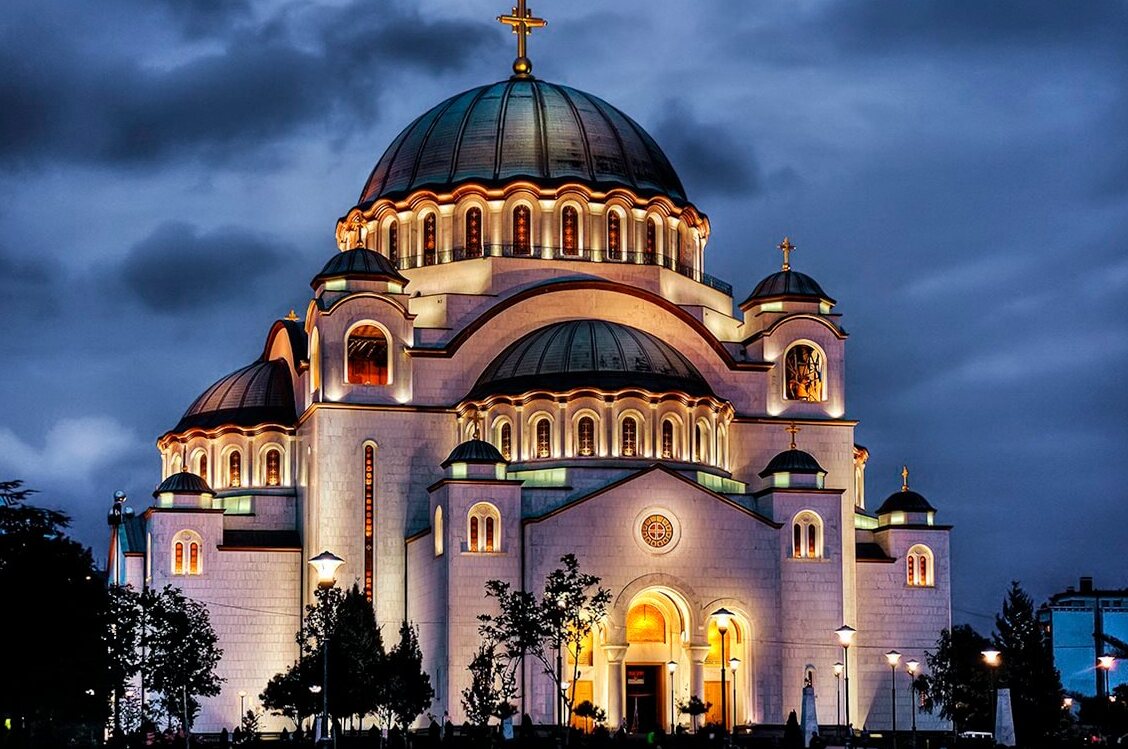

The dome of St Sava's Temple is not just an architectural marvel; it is a monumental symbol of resilience and faith that towers over Belgrade, Serbia. Its striking silhouette, visible from almost every corner of the city, beckons visitors to explore the rich tapestry of history and culture surrounding it.
History and Origins
The origins of St Sava's Temple can be traced back to the late 19th century when the idea was conceived as a tribute to St Sava, the founder of the Serbian Orthodox Church. His legacy is deeply intertwined with Serbian identity, particularly after his remains were destroyed by the Ottoman ruler Sinan Pasha in 1594, allegedly at this very site. The construction officially commenced in 1935, driven by the ambition to create a national sanctuary. However, due to various historical upheavals, including the Second World War and political changes, the temple was only completed in 2004. This lengthy construction period is a testament to the enduring spirit of the Serbian people and their dedication to preserving their cultural heritage.
Art and Architecture
The architectural style of St Sava's Temple is a magnificent blend of Byzantine and Serbo-Byzantine influences, which is evident in its grand dome that rises to a height of over 70 meters (230 ft). This dome is adorned with a striking cross, symbolizing the Christian faith, while the exterior is clad in white marble and granite, giving it a radiant appearance against the skyline.
Inside, the temple boasts breathtaking mosaics that cover approximately 1,000 square meters. These mosaics depict various saints and biblical scenes, crafted using vibrant colors and intricate designs that are a feast for the eyes. The artistic significance of these works lies in their ability to convey theological narratives visually, drawing worshippers and visitors alike into a deeper understanding of the Orthodox faith.
Local Culture and Traditions
The cultural importance of St Sava's Temple extends beyond its architectural grandeur. It serves as a focal point for numerous Serbian Orthodox traditions and celebrations. Each year, on January 27th, the feast day of St Sava is celebrated with vibrant processions, liturgies, and cultural performances that draw crowds from all over the country. This day is marked by a sense of unity and reverence, reflecting the temple's role as a spiritual beacon.
Additionally, the temple often hosts cultural events, art exhibitions, and music concerts, making it a dynamic part of Belgrade's cultural landscape. Visitors can encounter a blend of sacred and contemporary artistic expressions, showcasing the evolving nature of Serbian culture.
Gastronomy
No visit to Belgrade is complete without indulging in its rich gastronomy, which has been influenced by both Eastern and Western culinary traditions. Nearby, you can find local eateries serving ćevapi, small grilled minced meat sausages, often accompanied by fresh bread and chopped onions. Another staple is sarma, cabbage rolls stuffed with minced meat and rice, a hearty dish that resonates with many families during celebrations.
For a sweet treat, try torta or baklava, which reflect the Ottoman influence on Serbian cuisine. Pair your meal with a glass of rakija, a traditional fruit brandy that is an integral part of Serbian hospitality, symbolizing warmth and friendship.
Lesser-Known Curiosities
While many visitors flock to the impressive dome, few know that beneath the temple lies a crypt that is home to the remains of prominent Serbian figures. This hidden aspect adds a layer of historical significance to the site, making it more than just a place of worship.
Another intriguing detail is that the temple is not merely a religious site but also serves as a center for humanitarian efforts. Throughout the years, it has provided aid during crises, reflecting the church's commitment to the community. The temple also features a museum that showcases the history of the Serbian Orthodox Church, offering a deeper insight into its influence on Serbian culture.
Practical Visitor Information
The best time to visit St Sava's Temple is during the spring and fall when the weather is mild and ideal for exploring the surrounding area. Early mornings or late afternoons are perfect for avoiding crowds, allowing for a more contemplative experience within the temple's serene environment.
When visiting, be sure to dress modestly, as it is a place of worship. Take time to admire the intricate details of the mosaics and the peaceful ambiance of the interior. Don’t forget to capture the iconic views of the temple from different vantage points around Belgrade, particularly from the nearby Kalemegdan Fortress, which offers a stunning backdrop.
For a rich exploration of Belgrade, consider using the Secret World app to plan a personalized AI itinerary that suits your interests.


