
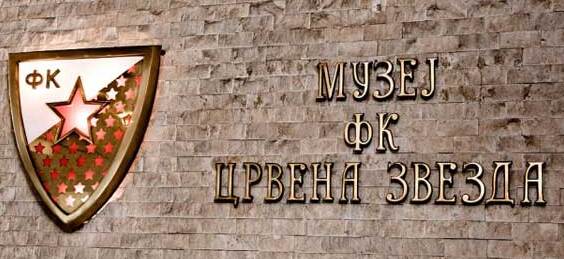

In the heart of Belgrade, the Red Star Belgrade Museum stands as a testament to the city’s fervent love for football. For locals and visitors alike, this museum is not just about trophies and memorabilia; it encapsulates the spirit of Serbian culture, history, and the fierce rivalry that defines the football landscape of the nation. Founded in 1920, Red Star Belgrade (Crvena Zvezda) has become one of the most storied football clubs in Europe, boasting a rich history intertwined with significant events that shaped the nation.
### History and Origins Red Star Belgrade was established on March 4, 1920, by a group of students and sports enthusiasts intent on creating a club that would symbolize unity and national pride. This came at a time of great political and social change in Yugoslavia, and football quickly became a means of expressing national identity. The club’s rise to prominence came in the post-World War II era, culminating in their most glorious moment in 1991 when they won the European Cup, defeating Olympique Marseille in a thrilling penalty shootout.
Throughout the decades, Red Star has been a playground for legendary players, including the likes of Dragan Džajić and Dejan Savićević, whose contributions to both the club and international football have left an indelible mark.
### Art and Architecture The Red Star Stadium, known as Marakana, is an architectural marvel with a capacity of over 55,000, making it one of the largest stadiums in the Balkans. Its design reflects a blend of Brutalist and modernist styles, characterized by its imposing structure and sweeping views of the pitch. The stadium's exterior is adorned with vibrant murals and mosaics that celebrate the club's rich heritage.
Inside the stadium, visitors can explore the Red Star Belgrade Museum, which showcases an impressive collection of artifacts, jerseys, and trophies. The museum is adorned with photographs that chronicle the club’s history, including poignant moments like the tragic tale of the Busby Babes, the legendary Manchester United team, who played their last game here before a plane crash claimed many lives in 1958. This connection adds a layer of emotional depth to the museum experience.
### Local Culture and Traditions Football in Belgrade is not merely a sport; it’s a way of life. The rivalry between Red Star Belgrade and Partizan Belgrade is one of the fiercest in the world, with matches known as the Eternal Derby. These matches often see the stadium erupt with passionate chants, vibrant displays, and a palpable intensity that can only be understood by witnessing it firsthand. The culture surrounding these games is rich, with traditions such as fans creating elaborate tifos and fireworks lighting up the night sky.
In addition to football, Belgrade hosts various cultural festivals throughout the year, including the Belgrade Beer Fest and BEMUS (Belgrade Music Festival), which further showcase the city's vibrant artistic community.
### Gastronomy No visit to Belgrade would be complete without indulging in its culinary delights. The city’s gastronomy reflects a melting pot of influences, with traditional Serbian dishes like ćevapi (grilled minced meat), sarma (cabbage rolls), and ajvar (pepper-based condiment) taking center stage. Pair these with a glass of rakija, a potent Serbian fruit brandy, for an authentic local experience.
At local eateries near the stadium, fans often gather to enjoy a hearty meal before or after matches, creating a lively atmosphere filled with camaraderie and team spirit.
### Lesser-Known Curiosities Beyond the famous tales of triumph and rivalry, the Red Star Museum holds many hidden gems. For instance, it houses a collection of match balls used in major games, some signed by legendary players. Additionally, the museum features a unique section dedicated to the club's women’s team, showcasing their achievements and contributions to the club’s legacy.
Interestingly, Red Star Belgrade has also made a mark on the European scene by producing a number of players who have gone on to achieve international acclaim, including Nemanja Bjelica and Luka Jovic.
### Practical Visitor Information The Red Star Belgrade Museum is free to enter and offers guided tours that delve into the club’s storied past. The best time to visit is on match days, where the atmosphere is electric, and you can truly feel the pulse of the fans. However, visiting during the off-season allows for a more in-depth exploration of the museum without the crowds.
When planning your visit, consider the local calendar for any special exhibitions or events that may be taking place. Be sure to check the stadium's schedule for upcoming matches, as experiencing an Eternal Derby is a bucket-list item for any football fan.
In conclusion, the Red Star Belgrade Museum is not just a museum; it is a cultural landmark that encapsulates the passion of Serbian football and the rich history of Belgrade. For those looking to explore the vibrant city and its football legacy, consider using the Secret World app to plan a personalized itinerary for your visit to Beograd.


