
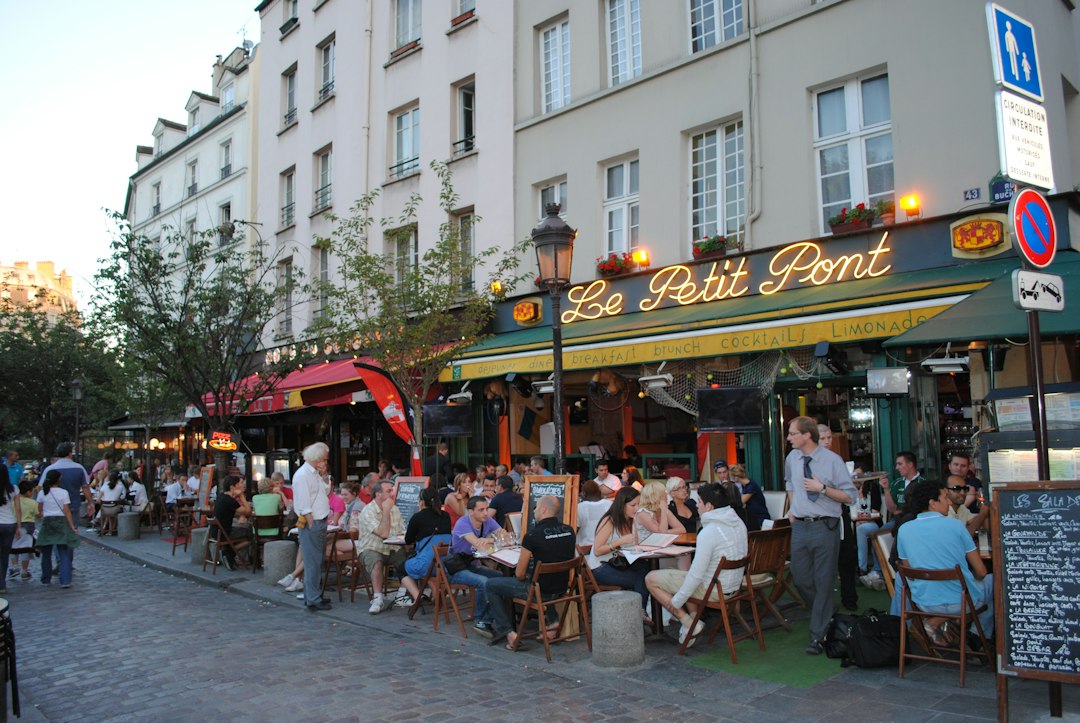

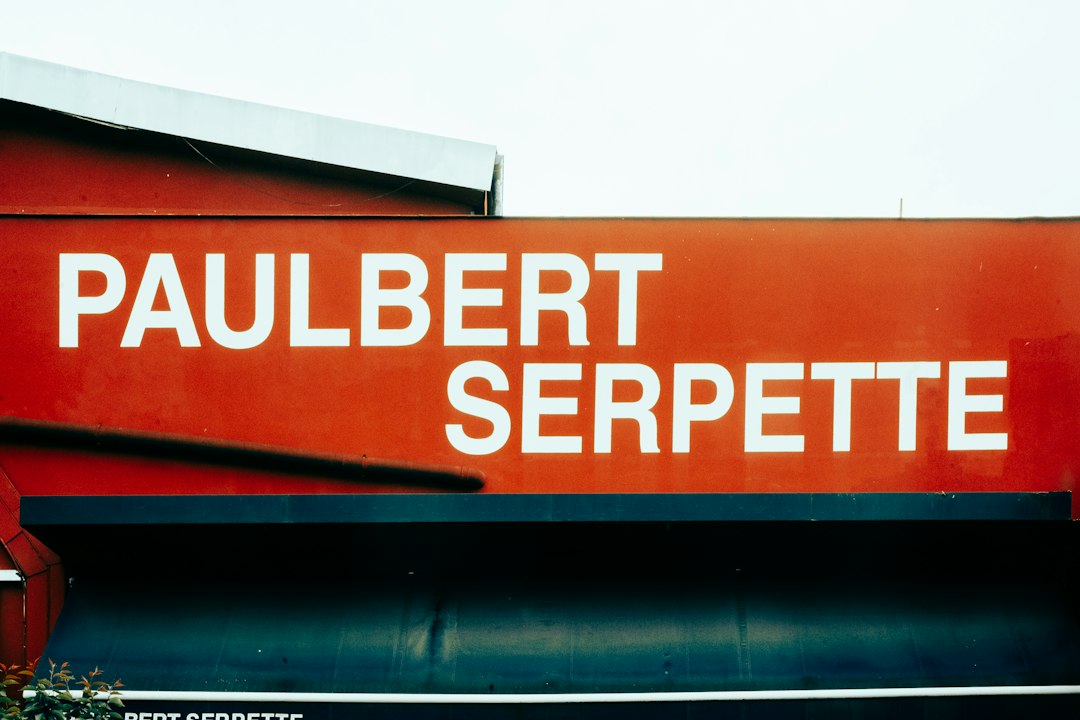
The letter arrives handwritten on a sheet of paper, the wine is poured without ceremony, and the smell of butter sizzling in the pan comes from the kitchen even before sitting down. At Bistrot Paul Bert, in the heart of the 11th arrondissement of Paris, time seems to have stopped at an ideal version of classic French cuisine, the one that Parisians themselves seek when they want to eat well without frills.
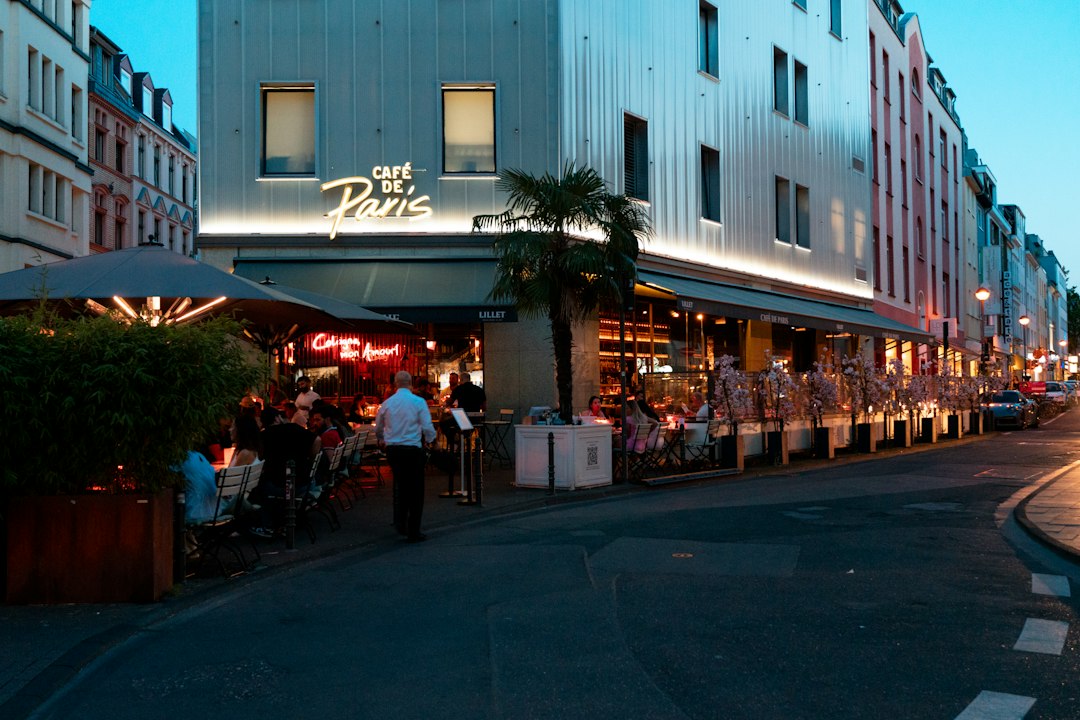
The place is located on rue Paul Bert, a quiet street in the Faidherbe-Chaligny neighborhood, away from the more beaten tourist circuits. It is this voluntary isolation that makes it authentic: the clientele is mainly made up of locals, Parisian professionals, and foreign travelers who have done their homework before leaving. The tables are covered with paper tablecloths — a detail that is immediately noticeable upon entering — and the walls are adorned with antique mirrors and chalkboards with the daily specials written in chalk.
The menu: uncompromising French classicism
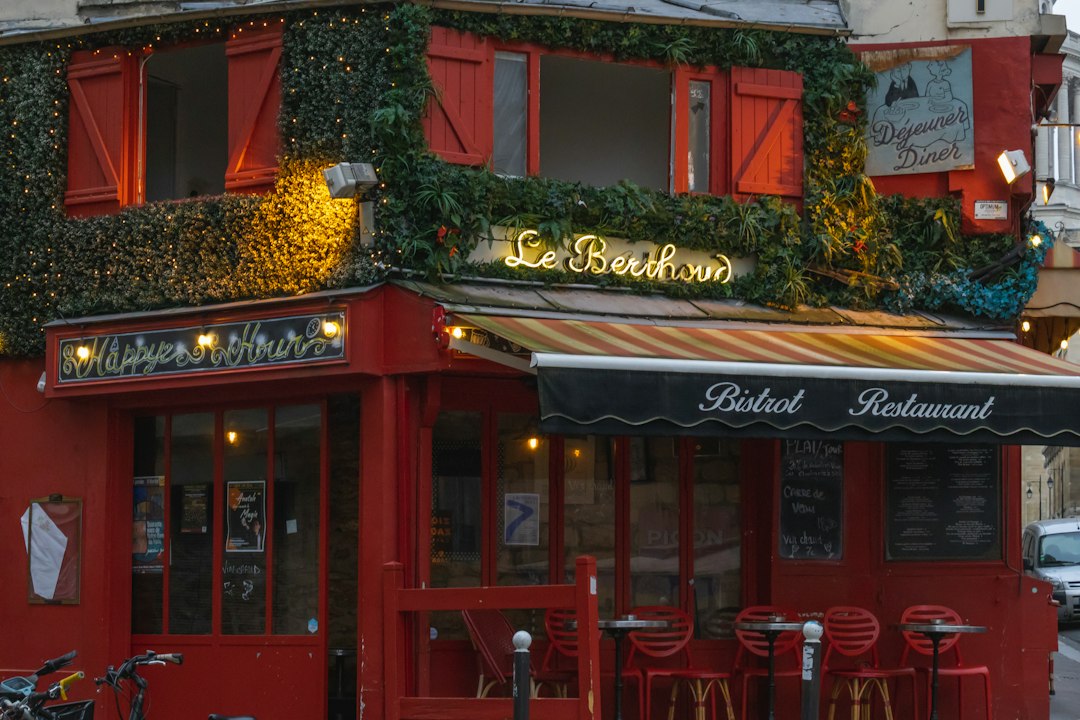
The dish that made Bistrot Paul Bert famous is the steak frites: a steak cooked with millimetric precision, served with golden and crispy French fries. The meat, typically an entrecôte or a faux-filet of selected quality, is brought to the table with a herb butter sauce that slowly melts on the hot surface. It is not a spectacular dish in presentation, but every bite confirms why it has become a reference for those seeking the canonical version of this Parisian classic.
The menu changes regularly following the seasons, but some constants remain: homemade terrines, carefully crafted mayonnaise eggs, and the famous île flottante as dessert. The latter — soft meringue floating on vanilla custard — is one of those desserts that seem simple but require technique to be executed correctly. Here the texture is just right: light, almost ethereal, with a thread of caramel that adds bitterness to the sweet contrast.
The environment: details that speak for themselves
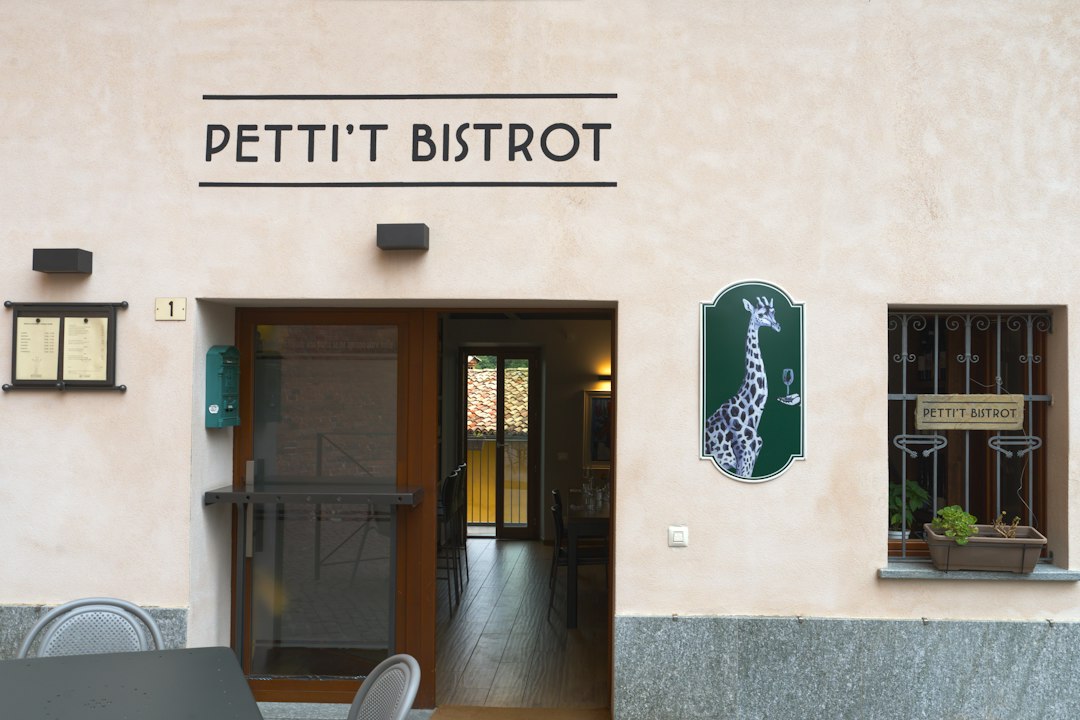
Upon entering the venue, one immediately perceives a certain visual density: the walls have no empty space. Black and white photographs, mirrors with slightly chipped golden frames, bottles of wine arranged on dark wooden shelves. The floor is made of hexagonal tiles typical of vintage Parisian bistros, worn down by decades of patrons. The tables are close together, as tradition dictates, and the conversation among diners blends with the clinking of cutlery and the chatter from the open kitchen.
The service is professional yet direct, lacking the distant formality that characterizes starred restaurants. The waiters know the menu by heart, provide precise recommendations on wines — the list is predominantly French, with a good selection of Burgundy and Beaujolais — and do not insist on add-ons. It is an approach that reflects the philosophy of the venue: to give the customer what they ordered, do it well, and let them eat in peace.
Why Francophiles Love It
The Bistrot Paul Bert does not have a Michelin star and does not seek one. Its reputation has been built over time through word of mouth among those who consider bistro French cuisine a form of everyday art. Bertrand Auboyneau, who manages the establishment with a stable team, has helped define a dining style that values simplicity executed with rigor. There are no fusion dishes, there are no creative reinterpretations: each preparation adheres to a logic of respect for tradition.
This approach has attracted a loyal clientele over the years who return regularly, often ordering the same dishes. It is the clearest sign of a successful establishment: not novelty, but consistency. For those coming from abroad with a serious knowledge of French cuisine, dining here is a benchmark, almost a test of authenticity against which to measure other bistros.
Practical tips for the visit
Reservation is essential, especially for dinner. The venue has a limited capacity and tables are assigned in two evening shifts. It is advisable to book at least a week in advance, especially on weekends. Bistrot Paul Bert is closed on Sundays and Mondays, so it is good to check the updated hours before planning your visit.
To get there, the most convenient metro stop is Faidherbe-Chaligny on line 8, just a few minutes' walk away. Lunch is generally less crowded than dinner and allows you to enjoy the daily menu at a lower price compared to the evening menu. Avoid showing up without a reservation in the evening: the chance of finding a spot is very low, and waiting outside the venue is not managed with a formal waiting list.


