
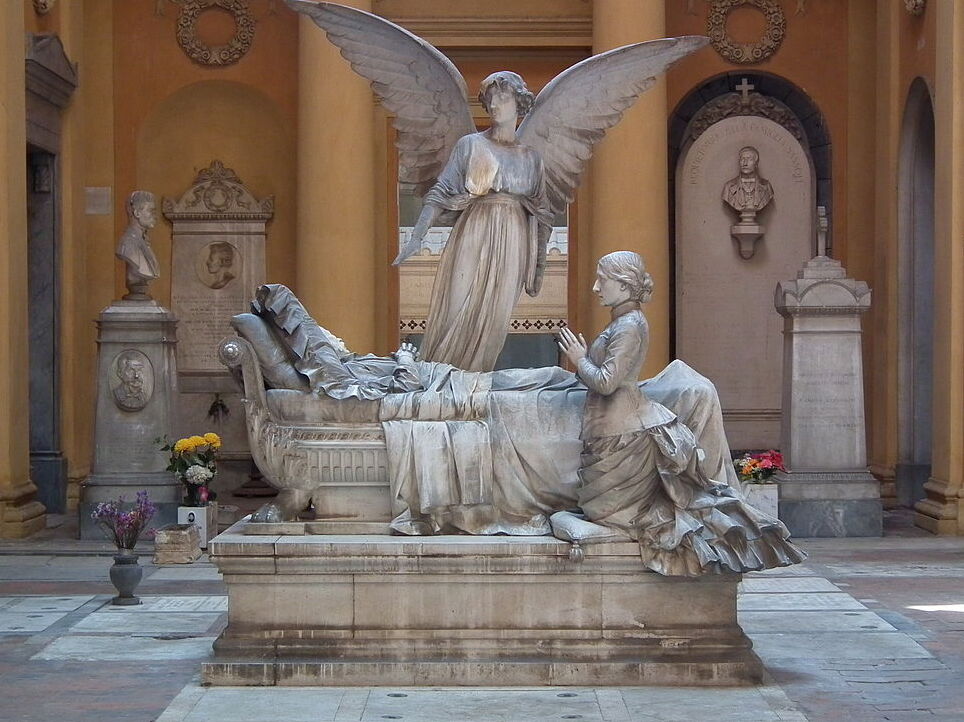

In the heart of Bologna, nestled quietly amidst the rhythmic hum of the city, lies a realm of tranquility and history—the Monumental Cemetery of Certosa. This historic cemetery, with its origins dating back to the 14th century, stands as a testament to the city's rich cultural tapestry and its ever-evolving narrative.
The Certosa Cemetery was initially founded as a Carthusian monastery. Its transformation into a cemetery was largely influenced by the Edict of Saint Cloud in 1804, issued by Napoleon, which prohibited burials within city limits, prompting the need for a new resting place beyond Bologna's bustling core. This directive led to the repurposing of the monastery grounds into a public cemetery by the early 19th century. The cemetery became a notable stop on the Grand Tour, a traditional journey through Europe undertaken by young aristocrats of the 18th century, seeking cultural enlightenment.
The cemetery is renowned for its art and architecture, a visual symphony of styles that whispers stories from the past. Visitors are greeted by the Sala del Colombario, a neoclassical masterpiece that houses an impressive array of urns and memorials. The architecture reflects the neoclassical style popular in Europe during the Enlightenment, marked by its symmetry and grandeur. Art enthusiasts will find the Monument to Partisans by Piero Bottoni particularly moving, a modern tribute to those who fought against fascism during World War II.
Bologna's local culture and traditions are interwoven with the cemetery's history. Each year, the city hosts events that pay homage to the deceased, such as the Festa dei Morti. This festival, akin to All Souls' Day, is a poignant reminder of the Bolognese people's deep respect for their ancestors and the importance of remembrance in their cultural identity.
A visit to Certosa can be complemented by indulging in Bologna's gastronomy. Known as the culinary heart of Italy, Bologna offers a feast for the senses. Nearby, you can savor local delights such as tortellini, tagliatelle al ragù, and the famous mortadella. These dishes, steeped in tradition, provide a rich gastronomic experience that echoes the city's historical depth.
For those intrigued by lesser-known curiosities, the cemetery offers enigmatic tales and hidden gems. Among these is the story of Lucio Dalla, a beloved Italian singer whose grave draws fans from all over. The cemetery's layout itself is a curiosity, with its labyrinthine paths leading to unexpected discoveries, from intricately carved angels to lesser-visited family mausoleums.
Practical tips for visiting the Certosa Cemetery include planning your visit during spring or autumn when the weather is mild and the surrounding gardens are in bloom. It's advisable to wear comfortable shoes to navigate the extensive grounds, and take a guided tour to uncover the layers of history hidden within the tombstones. Pay particular attention to the tomb of Giosuè Carducci, an illustrious poet who left an indelible mark on Italian literature.
As you plan your journey to explore Bologna's cultural and historical riches, consider using the Secret World app for a personalized itinerary, ensuring you don't miss the city's hidden wonders.


