
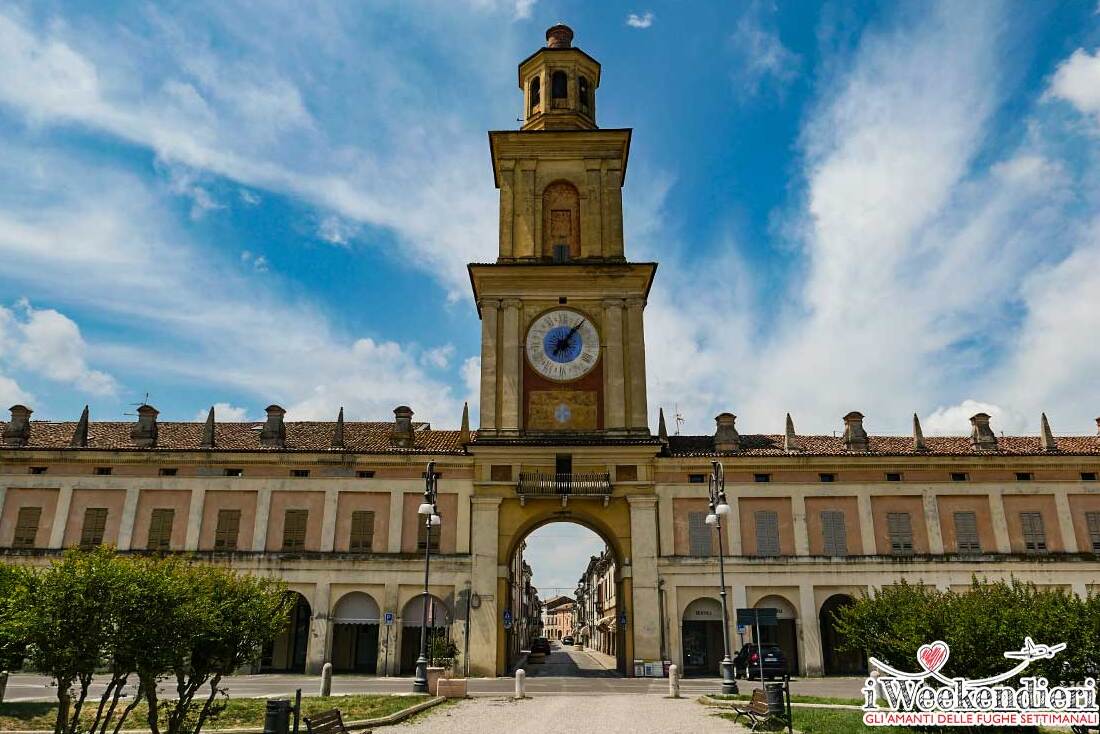

In the heart of Emilia-Romagna lies Gualtieri, a hidden gem that beckons travelers with its rich history, vibrant culture, and exquisite gastronomy. This small town is not merely a destination; it’s a portal to the past, where the echoes of the Renaissance intermingle with the daily lives of its residents.
History and Origins
Founded in the late 13th century, Gualtieri was initially a fortified settlement established by the Este family, who sought to control the fertile lands alongside the Po River. Throughout its history, the town has witnessed significant events, including its role as a strategic military outpost during the Italian Wars in the 16th century. The town flourished under the rule of the Bentivoglio family, particularly during the Renaissance, when it became a center for culture and art.
In 1710, Gualtieri was granted the status of a “city,” marking its importance in the region. The town's architecture reflects its illustrious past, with many buildings showcasing the elegance of Renaissance design. This historical tapestry weaves through the very fabric of Gualtieri, inviting visitors to explore its storied streets.
Art and Architecture
The architectural landscape of Gualtieri is a feast for the eyes. The Piazza Matteotti, often cited as one of Italy's most beautiful squares by art historian Cesare Brandi, features an array of stunning buildings that embody the charm of Italian Renaissance architecture. Dominating the square is the Palazzo Bentivoglio, a masterpiece that once served as the residence of the Bentivoglio family. Its façade, with intricate details and elegant arches, narrates stories of grandeur and nobility.
Art lovers will find solace in the Antonio Ligabue Documentary Museum, dedicated to the works of the naïf painter Antonio Ligabue, whose vibrant and emotive art captures the essence of rural life and the natural world. Ligabue, who lived from 1899 to 1965, spent much of his life in the nearby landscapes, drawing inspiration from the surrounding environment. The museum houses many of his works, offering insight into his unique vision and artistic journey.
Local Culture and Traditions
Gualtieri thrives on its rich traditions, deeply rooted in local customs and festivals. The town celebrates the Festa di San Giovanni, a vibrant festival held in June, where locals come together to honor the patron saint with processions, music, and traditional dances. This festival not only showcases the community spirit but also highlights the importance of local folklore and tradition.
Another significant event is the Fiera di San Martino in November, a market fair that attracts visitors from surrounding areas. Here, you can experience the warmth of the local community, sample regional delicacies, and purchase handmade crafts. These events form the backbone of Gualtieri’s cultural identity, inviting visitors to partake in the joyful celebrations of life.
Gastronomy
No visit to Gualtieri would be complete without indulging in its culinary delights. The region is renowned for its culinary heritage, with dishes that reflect the bountiful produce of the fertile lands. One must-try dish is Tortelli di Patate, a potato-filled pasta typically served with ragù or butter and sage. This comforting dish is a staple of the Emilian kitchen.
Pair your meal with a glass of Lambrusco, a sparkling red wine that hails from the region. Its fruity notes and effervescence make it the perfect accompaniment to hearty Emilian dishes. Don’t miss the chance to sample Gnocco Fritto, a fried dough delicacy often enjoyed with cured meats and cheeses, embodying the rustic flavors of the area.
Lesser-Known Curiosities
While Gualtieri is known for its picturesque beauty, there are hidden stories waiting to be uncovered. One such curiosity is the town’s connection to the famous Italian composer Giuseppe Verdi, who spent time in the region and drew inspiration from the surrounding landscapes.
Another intriguing detail is the legend of the Gualtieris, the town’s namesake, believed to be a nobleman who protected locals from invaders. His tale is etched in the town’s collective memory, adding a layer of mythos to its already rich history.
Practical Visitor Information
The best time to visit Gualtieri is during the spring and early autumn months when the weather is mild, and the landscape is adorned with blooming flowers and golden harvests. The town is easily accessible by train or car, making it a perfect day trip from nearby cities like Reggio Emilia and Modena.
When exploring, take your time to wander through the narrow streets, stopping at local shops and cafés to soak in the ambiance. Be sure to visit the Church of San Lorenzo, with its stunning frescoes that depict the town’s history and religious significance.
For a truly personalized experience in Gualtieri, consider using the Secret World app to craft your own unique itinerary, ensuring you don’t miss a single hidden gem.


