



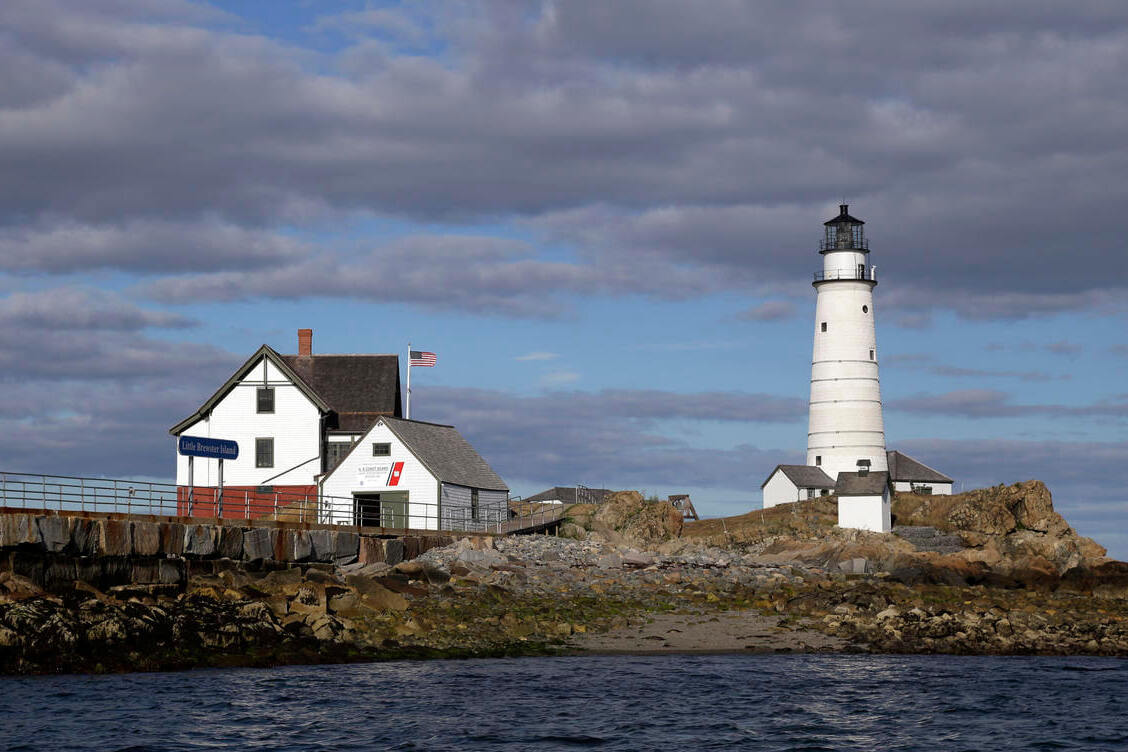
Standing sentinel over the turbulent waters of Boston Harbor, Boston Light is not just a beacon for sailors but a storied monument steeped in history. This iconic lighthouse, perched on Little Brewster Island, is the oldest continuously operating lighthouse in the United States, tracing its origins back to 1716 when the first structure was built. Its existence is a testament to the maritime heritage of Boston, which has long been a hub of trade and navigation.
History and Origins
The inception of Boston Light came at a pivotal time when the growing colonial trade necessitated enhanced maritime safety. The original wooden tower was constructed in response to the increasing number of shipwrecks in the rocky waters of the harbor. However, it was the 1783 reconstruction that gave us the current granite tower, designed by architect Charles Bulfinch, which proudly stands at 89 feet tall. This lighthouse became a critical navigational aid, especially during the American Revolution, when its light guided ships carrying supplies and troops.
Over the years, Boston Light has witnessed numerous historical events. It was the site of a notable incident in 1814 when the British captured the lighthouse during the War of 1812, using it to mislead American ships. Yet, it has survived the test of time, adapting to technological advancements while maintaining its historical integrity.
Art and Architecture
Architecturally, Boston Light is a fine example of Federal-style design, characterized by its simple yet elegant lines. The lighthouse is constructed of durable granite, enabling it to withstand the harsh coastal weather. Its unique conical shape and whitewashed exterior reflect the purity of its purpose: to guide and protect seafarers. The light itself, originally fueled by oil, now uses modern LED technology, allowing for greater visibility while maintaining the lighthouse's historic charm.
Inside, the lantern room features a stunning Fresnel lens, designed to amplify the light. This lens, with its intricate glasswork, is a marvel of early optical engineering and speaks to the artistry involved in lighthouse construction. The interplay of light and glass creates a captivating sight, especially at dusk when the beam sweeps across the harbor.
Local Culture and Traditions
The surrounding area of Little Brewster Island is rich in local culture, steeped in maritime traditions. Every summer, the Boston Light hosts special events, including guided tours and historical reenactments, allowing visitors to immerse themselves in the life of a lighthouse keeper. The annual Lighthouse Day celebration attracts locals and tourists alike, featuring boat tours, educational talks, and the chance to climb to the top of the lighthouse for breathtaking views of the harbor.
Additionally, the island is part of the Boston Harbor Islands National Recreation Area, which promotes the preservation of local wildlife and the natural beauty of the region. This commitment to conservation is a thread woven into the fabric of the local community, reflecting a deep respect for the maritime environment.
Gastronomy
No visit to the harbor is complete without indulging in the local cuisine. Boston is renowned for its seafood, and the proximity to the ocean ensures the freshest catch. A must-try is the New England clam chowder, a creamy, hearty soup that epitomizes the region’s culinary heritage. Freshly caught lobster is another staple, served in rolls or simply boiled with butter.
For those seeking a sweet treat, the Boston cream pie—a decadent layered cake filled with cream and topped with chocolate—offers a taste of local history. Pair these dishes with a locally brewed craft beer for a true taste of Boston.
Lesser-known Curiosities
While many tourists flock to the more famous sites of Boston, few know that Boston Light has its share of intriguing stories. One lesser-known fact is that the lighthouse has been home to a series of fascinating keepers, including Hannah Thomas, the first woman to serve as a lighthouse keeper in the early 20th century. Her tenure marked a progressive shift in a profession predominantly held by men.
Moreover, the foghorn at Boston Light has a unique sound that can be heard for miles, a haunting and beautiful reminder of the lighthouse's vital role in navigation. The foghorn, with its rhythmic blasts, is often a source of nostalgia for locals, calling to mind the maritime spirit of the harbor.
Practical Visitor Information
The best time to visit Boston Light is during the warmer months, from late spring to early fall, when the weather is conducive to boat tours. The lighthouse is accessible via ferry services that run from Boston to the island, making it a perfect day trip. Visitors can explore the lighthouse grounds, learn about its history through guided tours, and enjoy panoramic views of the harbor.
When planning your visit, be sure to check the schedule for special events, as these can enhance your experience. Bring along a camera to capture the stunning scenery and perhaps even pack a picnic to enjoy on the island’s serene shores.
As you contemplate your journey to this historic lighthouse, consider using the Secret World app to craft a personalized itinerary that includes all the hidden gems of Boston.
