
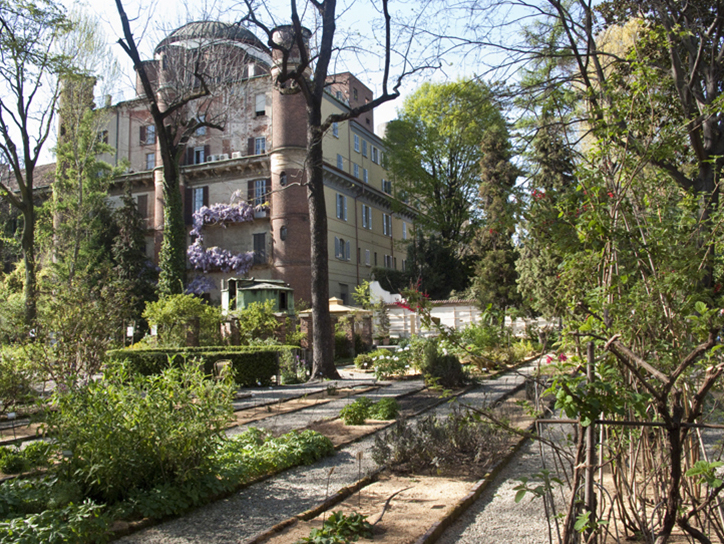

Nestled in the heart of Milan, the Brera Botanical Garden offers an enchanting escape from the city's hustle and bustle, inviting visitors to immerse themselves in its lush greenery and rich history. Established in 1774 under the directive of Maria Theresa of Austria, this garden is an integral part of the Brera Astronomical Botanical Garden Museum of the University of Milan. It serves not only as a serene oasis but also as a living museum dedicated to the preservation of botanical heritage.
The origins of the Brera Botanical Garden can be traced back to the Palazzo Brera, a historical complex that has long been intertwined with the cultural and scientific development of Milan. The site originally served various purposes, from gardening to horticulture, and even as a place for meditation. With the establishment of the botanical garden, the focus shifted towards a more structured approach to studying and showcasing plant life. Over the years, the garden has become a vital resource for students and researchers, housing a collection of over 1,500 plant species, many of which are of significant scientific interest.
Architecturally, the Brera Botanical Garden reflects the elegance of the neoclassical style that characterizes much of the surrounding area. The garden's layout is meticulously designed, featuring charming paths, serene ponds, and a variety of themed sections that highlight different plant species. Among its notable features is a collection of medicinal plants, a homage to its historical roots in botanical studies. Visitors can also find beautifully crafted sculptures and well-maintained flower beds that bloom in vibrant colors throughout the seasons, enhancing the garden's visual appeal.
Cultural traditions in the Brera district are equally rich and vibrant. The area is known for its strong ties to the arts, and this influence is palpable within the garden. Art lovers can often find informal exhibitions and installations that celebrate both nature and creativity. Local customs include seasonal festivals that showcase Milanese culture, such as the Festa di San Giovanni, which celebrates summer solstice with music, food, and performances in and around the garden. The Brera Botanical Garden thus serves as a backdrop for these cultural expressions, allowing visitors to experience Milan's artistic spirit firsthand.
Milan's gastronomy is another facet of its charm, and while the Brera Botanical Garden does not offer dining options, its proximity to local restaurants opens up a world of culinary delights. Visitors can savor dishes like risotto alla Milanese, a saffron-infused rice dish, or indulge in cotoletta alla Milanese, a breaded veal cutlet. For a sweet treat, the city’s famous panettone is a must-try, especially around the festive season. Enjoying a meal at a nearby café while reflecting on the tranquil beauty of the garden is a perfect way to experience Milan's rich flavors.
Though many tourists flock to the more famous attractions in Milan, the Brera Botanical Garden holds a few lesser-known curiosities that are worth exploring. One intriguing detail is the garden's role in the history of botany; it was here that many medicinal plants were cultivated for research and educational purposes. Additionally, the garden features a unique cactus greenhouse, home to various species that thrive in arid environments. This hidden gem often goes unnoticed, yet it’s a fascinating aspect of the garden that showcases the diversity of plant life.
For those planning a visit to the Brera Botanical Garden, the best time to explore is during the spring and early summer months when the flowers are in full bloom, offering a riot of color and fragrance. Weekdays tend to be less crowded, allowing for a more peaceful experience. When strolling through the garden, make sure to take note of the various plant labels for an educational journey, and don't forget to bring a camera to capture the picturesque landscapes.
In conclusion, the Brera Botanical Garden is a remarkable testament to Milan’s rich history and cultural tapestry. Its serene environment, combined with the historical significance and artistic influences, makes it a must-see destination for anyone exploring the city. For a personalized itinerary that captures the essence of Milan, consider using the Secret World app.


